
Introduction
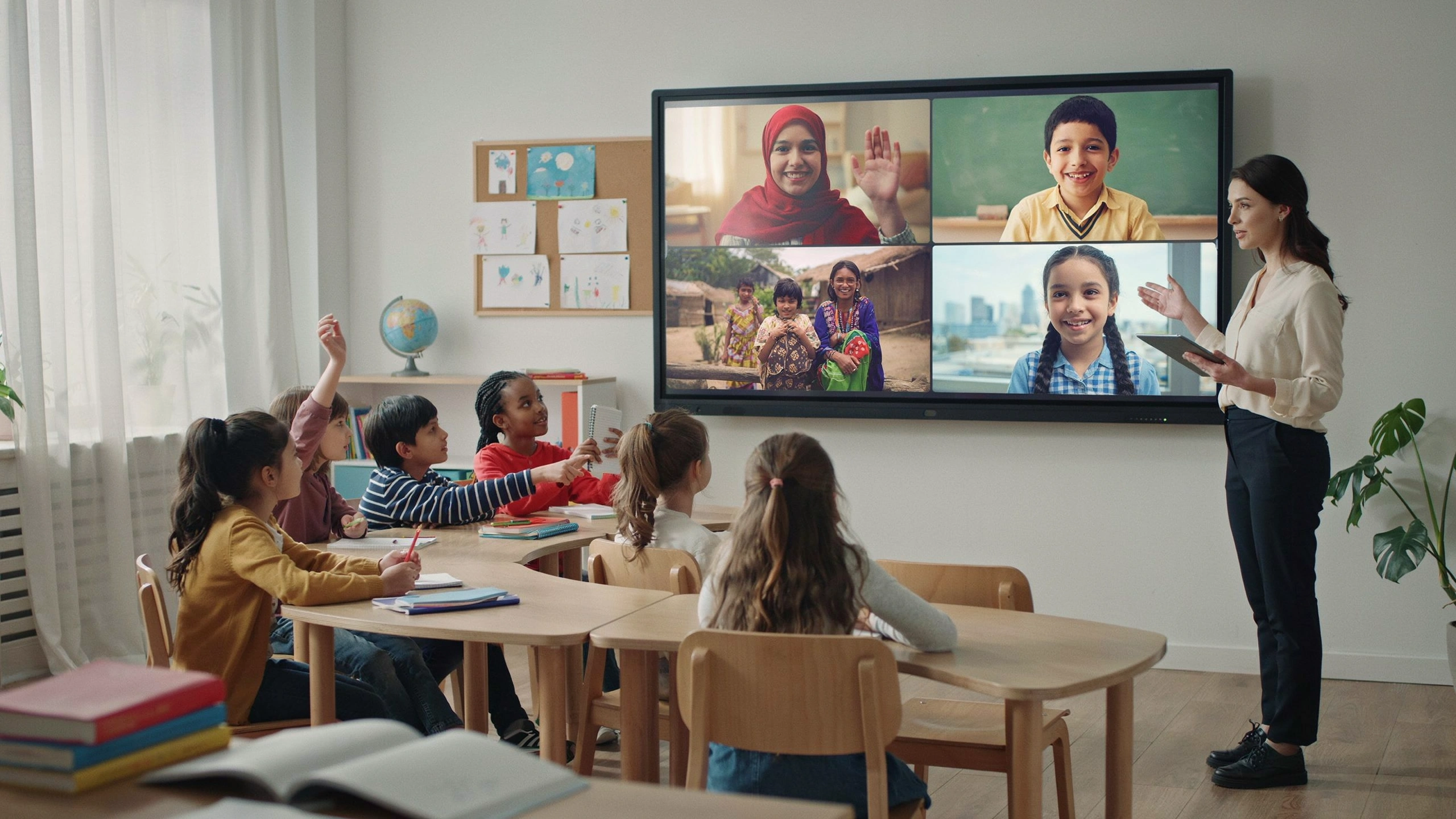
Technology has transformed education in remarkable ways, making it possible for students to connect with peers from different countries without ever leaving their classrooms. Through virtual exchange programs, children can communicate, collaborate, and learn alongside students from diverse cultural, linguistic, and social backgrounds. These experiences help learners develop global awareness while building friendships that cross geographical borders.
Virtual exchange programs have become an essential component of modern global education. They provide meaningful opportunities for students to engage in authentic intercultural communication, develop digital skills, and gain firsthand knowledge about life in other parts of the world. Rather than simply reading about another country, students can ask questions, share experiences, and work together on real projects.
As schools continue to embrace digital learning, virtual exchanges offer an accessible and effective way to prepare students for success in an increasingly interconnected world.
What Are Virtual Exchange Programs?
A virtual exchange program is an educational partnership between schools or classrooms located in different regions or countries. Using digital communication tools such as video conferencing, collaborative platforms, email, and shared online workspaces, students participate in structured learning activities together.
Unlike traditional student exchange programs, virtual exchanges do not require international travel. Instead, technology enables regular interaction regardless of distance, making global learning accessible to a much larger number of students.
Virtual exchanges may involve:
- Classroom discussions
- Collaborative research projects
- Cultural presentations
- Language practice sessions
- Science investigations
- Book clubs
- Art collaborations
- Environmental projects
These activities encourage students to learn from one another while working toward common goals.
Why Virtual Exchange Programs Matter
1. They Promote Cultural Understanding
Students gain firsthand insight into how children in other countries live, learn, celebrate holidays, and solve everyday challenges. These authentic interactions help reduce stereotypes and encourage respect for cultural diversity.
2. They Improve Communication Skills
Virtual exchanges require students to communicate clearly, ask thoughtful questions, listen actively, and express ideas respectfully. These communication skills are valuable in both academic and professional settings.
3. They Build Digital Literacy
Students learn to use online collaboration tools responsibly while developing essential digital citizenship skills, including online safety, respectful communication, and effective teamwork.
4. They Encourage Global Collaboration
Many global challenges require international cooperation. Working on shared projects teaches students how to collaborate across cultures and appreciate different perspectives.
5. They Increase Student Motivation
Authentic conversations with international peers make learning more engaging. Students become excited to share their own culture while discovering new traditions and viewpoints.
Skills Students Develop
Virtual exchange programs help children strengthen a wide range of skills, including:
- Critical thinking
- Cross-cultural communication
- Teamwork
- Problem-solving
- Creativity
- Digital literacy
- Adaptability
- Leadership
- Empathy
- Global awareness
These competencies prepare students for future education and careers in a global society.
Examples of Virtual Exchange Activities
Cultural Presentations
Students create presentations introducing their country, community, traditions, food, music, festivals, and school life.
Collaborative Science Projects
Classes investigate shared scientific topics such as weather patterns, biodiversity, recycling, or renewable energy and compare their findings.
International Book Clubs
Students read the same novel or picture book and discuss themes, characters, and cultural perspectives during online meetings.
Language Partnerships
Learners practice speaking foreign languages with native or fluent speakers while teaching aspects of their own language in return.
Global Problem-Solving Challenges
Students work together to propose solutions for issues such as plastic pollution, food waste, water conservation, or sustainable transportation.
The Role of Teachers
Teachers are the facilitators of successful virtual exchanges. They:
- Identify partner schools.
- Plan collaborative activities.
- Establish communication guidelines.
- Support respectful dialogue.
- Monitor student participation.
- Encourage reflection after each interaction.
Well-planned exchanges ensure that every student has meaningful opportunities to contribute.
Technology That Supports Virtual Learning
A variety of digital tools make international collaboration possible.
Schools commonly use:
- Video conferencing platforms
- Shared online documents
- Educational discussion forums
- Digital presentation software
- Interactive whiteboards
- Learning management systems
- Collaborative project platforms
The choice of technology should match students’ ages, learning objectives, and available resources.
The Importance of Digital Citizenship
Virtual exchanges provide excellent opportunities to teach responsible online behavior.
Students should learn to:
- Protect personal information.
- Communicate respectfully.
- Verify online information.
- Respect copyright.
- Practice good digital etiquette.
- Report inappropriate behavior.
Developing digital citizenship is just as important as learning to use technology itself.
Involving Families
Parents can support virtual exchange programs by:
- Encouraging participation.
- Helping children prepare presentations.
- Discussing cultural experiences at home.
- Supporting responsible technology use.
- Celebrating international friendships.
Family involvement strengthens students’ enthusiasm and confidence.
Overcoming Challenges
Schools may encounter several challenges when organizing virtual exchanges, including:
- Time zone differences.
- Internet connectivity issues.
- Language barriers.
- Scheduling difficulties.
- Unequal access to technology.
Many of these obstacles can be addressed through careful planning, flexible scheduling, asynchronous activities, and strong communication between partner schools.
Best Practices for Successful Exchanges
Effective virtual exchange programs:
- Set clear learning goals.
- Encourage equal participation.
- Include collaborative rather than competitive activities.
- Focus on authentic communication.
- Respect cultural differences.
- Provide opportunities for reflection.
- Maintain regular communication throughout the project.
These practices help build lasting educational partnerships.
Long-Term Benefits
Students who participate in virtual exchange programs often become:
- More confident communicators.
- Better collaborators.
- More culturally aware.
- Stronger digital citizens.
- More adaptable learners.
- More interested in international issues.
- Better prepared for higher education and global careers.
These benefits continue long after the exchange has ended.
The Future of Virtual Global Learning
As technology continues to evolve, virtual exchange programs are likely to become even more interactive. Emerging technologies such as virtual reality, augmented reality, artificial intelligence, and immersive digital classrooms may allow students to experience other cultures in increasingly realistic ways.
However, the true value of virtual exchanges will always remain the human connections they create. Technology is simply the bridge that allows students to learn from one another.
Conclusion
Virtual exchange programs have transformed the way students experience global education. By connecting classrooms across the world, schools provide authentic opportunities for collaboration, cultural understanding, and meaningful communication.
These experiences help children recognize that despite differences in language, geography, or traditions, young people everywhere share many common interests, dreams, and aspirations. Through dialogue, teamwork, and mutual respect, students develop the skills and attitudes needed to thrive in an interconnected world.
As education continues to embrace digital innovation, virtual exchange programs will remain one of the most effective ways to prepare learners for responsible global citizenship. Every online conversation, collaborative project, and international friendship brings the world a little closer together, creating future generations who are better equipped to build understanding, cooperation, and peace across cultures.