
Introduction
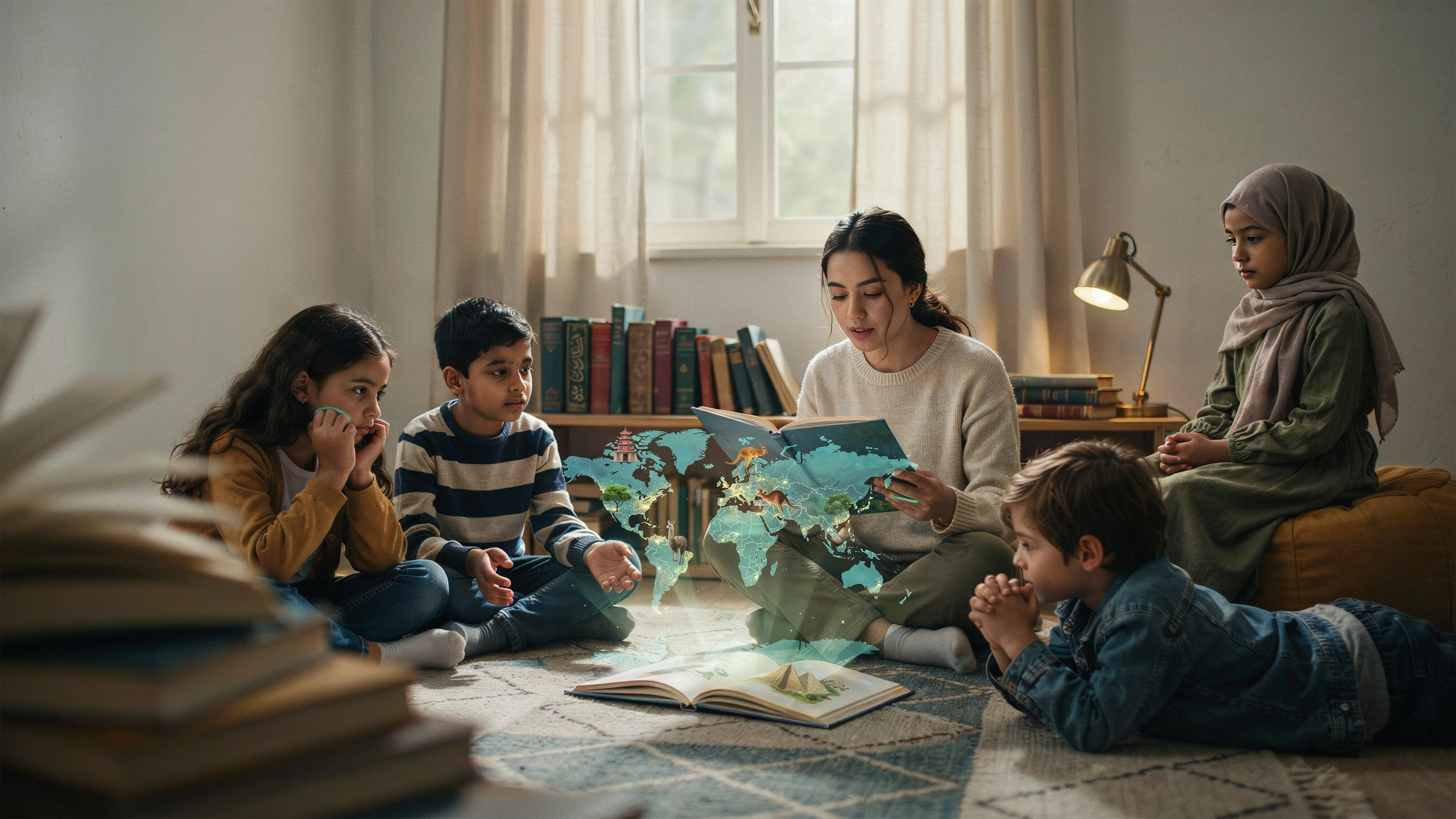
Books have the remarkable ability to transport readers across borders, cultures, and generations. A single story can introduce children to unfamiliar traditions, languages, values, and ways of life while helping them recognize the emotions and experiences that unite people around the world. In an age of globalization, international literature has become an essential resource for educators and parents who want to prepare children for life in an interconnected society.
Reading stories from different countries does more than improve literacy skills. It encourages empathy, develops cultural awareness, challenges stereotypes, and inspires curiosity about the world. Through literature, children discover that while people may speak different languages, celebrate different holidays, or live in different environments, they share common dreams, hopes, fears, and aspirations.
International literature plays a vital role in global education because it allows children to explore the world without leaving the classroom.
What Is International Literature?
International literature refers to books, stories, poems, folktales, and novels written by authors from different countries or representing cultures from around the world. These works may be read in their original language or in translation, allowing readers to experience diverse voices and perspectives.
International literature includes:
- Traditional folktales
- Contemporary children’s books
- Historical fiction
- Biographies
- Poetry
- Graphic novels
- Informational books
- Indigenous storytelling traditions
Together, these genres offer children a broad understanding of the world’s cultures and histories.
Why International Literature Matters
It Broadens Children’s Perspectives
Many children naturally view the world through the lens of their own experiences. Reading international literature introduces them to different ways of living, learning, celebrating, and solving problems.
As students encounter new perspectives, they begin to understand that there are many valid ways of seeing the world.
It Develops Empathy
Stories invite readers to experience life through the eyes of others. By following characters from different cultural backgrounds, children learn to understand emotions, challenges, and hopes that may differ from their own.
This emotional connection helps develop compassion and respect for others.
It Challenges Stereotypes
Authentic stories written by diverse authors help replace misconceptions with accurate and meaningful representations of different cultures.
Rather than relying on stereotypes, children learn to appreciate the complexity and uniqueness of individuals and communities.
It Encourages Curiosity
International literature often inspires children to ask questions about geography, history, languages, food, traditions, and customs.
This curiosity naturally leads to further learning across multiple subjects.
Supporting Language Development
Reading books from around the world also strengthens literacy skills.
Students expand their:
- Vocabulary
- Reading comprehension
- Listening abilities
- Writing skills
- Storytelling techniques
- Critical thinking
Exposure to different narrative styles also enriches children’s own creative writing.
Connecting Literature with Global Education
International literature supports many goals of global education by helping students:
- Appreciate cultural diversity.
- Understand multiple perspectives.
- Recognize shared human values.
- Develop intercultural communication.
- Explore global issues.
- Build responsible citizenship.
Stories provide meaningful contexts for discussing complex topics in age-appropriate ways.
Choosing High-Quality International Books
Teachers and parents should select books that:
- Represent cultures authentically.
- Avoid stereotypes.
- Feature diverse voices.
- Present accurate historical and cultural information.
- Reflect universal themes alongside cultural uniqueness.
- Encourage respectful discussion.
Books written by authors with lived cultural experience often provide richer and more authentic perspectives.
Classroom Strategies for Using International Literature
Literature Circles
Students can read the same book and discuss characters, themes, and cultural traditions together.
Country Studies
After reading a story, students can explore the country where it takes place through maps, photographs, music, and cultural research.
Comparing Stories
Teachers can compare folktales from different cultures to help students identify both similarities and differences in storytelling traditions.
Creative Responses
Students can:
- Illustrate scenes.
- Rewrite endings.
- Create dramatic performances.
- Write letters to characters.
- Design cultural presentations.
These activities deepen comprehension while encouraging creativity.
Integrating Literature Across Subjects
International books naturally connect with many academic disciplines.
Geography
Students locate story settings on world maps and explore physical and cultural features of different regions.
History
Historical fiction introduces important events from multiple cultural perspectives.
Art
Children create artwork inspired by traditional patterns, architecture, clothing, or artistic styles found in the stories.
Music
Traditional songs and instruments from the featured cultures enrich students’ understanding of the setting.
Social Studies
Students explore customs, family life, celebrations, governments, and community traditions.
The Role of School Libraries
School libraries are essential in promoting global education through literature.
A diverse library collection should include books representing:
- Multiple continents
- Various languages
- Indigenous communities
- Refugee experiences
- Historical and contemporary cultures
- Diverse family structures
- Different religious and cultural traditions
Access to diverse literature helps every child feel represented while learning about others.
The Role of Parents
Parents can encourage global reading habits by:
- Visiting libraries regularly.
- Reading international picture books together.
- Exploring stories from their own cultural heritage.
- Discussing characters and traditions.
- Watching documentaries related to books.
- Cooking traditional recipes inspired by stories.
- Encouraging children to ask questions about different cultures.
Family reading strengthens both literacy and global awareness.
Using Technology to Enhance Reading
Digital resources expand access to international literature.
Students can:
- Read multilingual eBooks.
- Listen to audiobooks narrated by native speakers.
- Attend virtual author visits.
- Explore interactive world maps connected to stories.
- Participate in online international book clubs.
Technology makes global reading experiences more accessible than ever before.
Challenges in Selecting International Literature
Educators should carefully evaluate books to ensure they:
- Avoid cultural stereotypes.
- Reflect authentic voices.
- Present balanced perspectives.
- Respect cultural traditions.
- Use accurate translations when applicable.
Thoughtful book selection ensures meaningful learning experiences.
Long-Term Benefits
Children who regularly read international literature often develop:
- Greater empathy.
- Cultural understanding.
- Curiosity about the world.
- Stronger communication skills.
- Better critical thinking.
- Appreciation for diversity.
- Increased creativity.
- Lifelong reading habits.
These qualities support success in school, future careers, and global citizenship.
Conclusion
International literature opens windows into the lives of people around the world while helping children recognize the values and experiences that unite humanity. Through stories, young readers develop empathy, curiosity, cultural awareness, and respect for diversity—qualities that are essential in today’s interconnected world.
Schools and families play an important role in ensuring that children encounter books representing many voices, cultures, and perspectives. By making international literature a regular part of children’s education, we help them become thoughtful readers, informed global citizens, and compassionate individuals who value understanding over prejudice.
Every book offers a new journey. Every story builds a bridge between cultures. And every child who reads internationally takes another step toward becoming a more open-minded, knowledgeable, and empathetic citizen of the world.