
Introduction
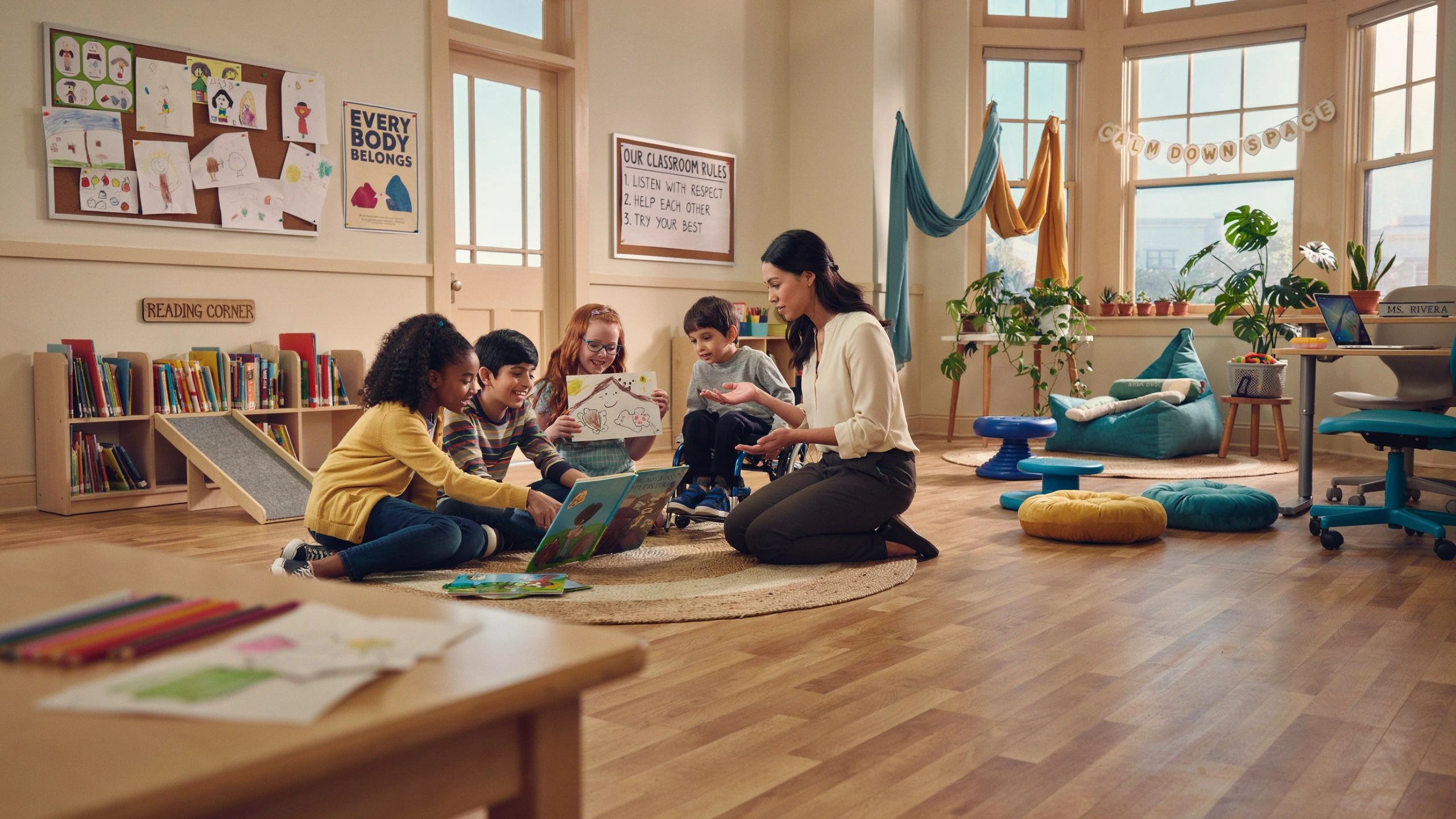
An inclusive classroom is more than a place where students receive instruction—it is a community where every learner feels safe, respected, and valued. While teaching methods and curriculum are important, the classroom environment also plays a significant role in shaping students’ experiences. A welcoming, organized, and supportive environment encourages participation, reduces anxiety, and helps all students feel that they belong.
The classroom environment includes both the physical space and the emotional atmosphere. From the arrangement of desks to the relationships among students and teachers, every element influences learning and inclusion. By creating an environment that celebrates diversity and removes barriers, educators can ensure that every student has the opportunity to succeed.
What Is an Inclusive Classroom Environment?
An inclusive classroom environment is one that supports the participation and well-being of all students, regardless of their abilities, cultural backgrounds, languages, learning styles, or personal circumstances.
Such an environment is characterized by:
- Respect for diversity.
- Equal opportunities to participate.
- Accessible learning materials.
- Positive relationships.
- Safe and welcoming spaces.
- High expectations for every student.
Inclusion is reflected not only in classroom policies but also in daily interactions and routines.
Why the Classroom Environment Matters
Students learn best when they feel emotionally and physically comfortable. A positive environment reduces stress, encourages curiosity, and promotes meaningful engagement.
Research and classroom experience show that supportive learning environments lead to:
- Higher academic achievement.
- Greater student confidence.
- Better attendance.
- Improved behavior.
- Stronger peer relationships.
- Increased motivation.
- Enhanced emotional well-being.
A classroom where students feel they belong becomes a place where learning flourishes.
1. Create a Welcoming Physical Space
The arrangement of the classroom can make learning more accessible and inclusive.
Teachers should consider:
- Wide pathways that allow easy movement.
- Flexible seating options.
- Clearly labeled learning areas.
- Accessible classroom materials.
- Comfortable reading corners.
- Good lighting and minimal distractions.
A well-organized classroom allows students to move, collaborate, and learn comfortably.
2. Display Diverse Learning Materials
Classroom displays should reflect the diversity of the students and the wider world.
Teachers can include:
- Books featuring characters from different cultures.
- Posters celebrating diversity.
- Maps and global resources.
- Student artwork representing different backgrounds.
- Multilingual labels and signs.
When students see themselves represented in the classroom, they feel acknowledged and respected.
3. Build Positive Relationships
Strong relationships form the heart of an inclusive classroom.
Teachers can strengthen relationships by:
- Greeting students warmly each day.
- Learning about students’ interests.
- Listening carefully to student concerns.
- Showing empathy and patience.
- Encouraging mutual respect.
Positive teacher-student relationships build trust and confidence.
4. Establish Clear Classroom Expectations
Students thrive when expectations are consistent and fair.
Teachers should work with students to develop classroom agreements such as:
- Respect everyone.
- Listen actively.
- Help classmates.
- Take responsibility for your actions.
- Celebrate differences.
Clear expectations promote a safe and supportive learning environment.
5. Encourage Student Collaboration
Collaborative learning helps students build friendships and appreciate diverse perspectives.
Teachers can organize:
- Group projects.
- Peer tutoring.
- Cooperative problem-solving.
- Classroom discussions.
- Partner reading activities.
Working together develops communication skills and reduces social isolation.
6. Support Emotional Well-Being
Students cannot fully engage in learning if they feel anxious, excluded, or unsafe.
Teachers can support emotional well-being by:
- Encouraging open communication.
- Teaching emotional regulation skills.
- Recognizing student achievements.
- Addressing bullying immediately.
- Creating opportunities for student reflection.
A caring environment strengthens resilience and self-confidence.
7. Make Learning Accessible
Accessibility should be considered in every lesson.
Teachers can provide:
- Multiple ways to access information.
- Flexible assignment options.
- Visual supports.
- Assistive technology.
- Clear instructions.
- Additional time when appropriate.
Accessible classrooms reduce barriers for all learners.
8. Celebrate Diversity Every Day
Inclusion is not limited to special events or cultural celebrations.
Teachers can:
- Include diverse examples in lessons.
- Encourage respectful discussions.
- Invite students to share their experiences.
- Explore global perspectives across subjects.
- Recognize different learning strengths.
Daily practices help students appreciate diversity as a normal and valuable part of learning.
9. Partner with Families
Families contribute valuable knowledge about students’ strengths, cultures, and learning needs.
Teachers should:
- Maintain regular communication.
- Invite family participation.
- Respect family traditions.
- Share student successes.
- Work together to support learning goals.
Strong partnerships reinforce inclusion both at school and at home.
10. Reflect and Adapt
Creating an inclusive environment requires continuous improvement.
Teachers can ask themselves:
- Does every student feel welcomed?
- Are classroom resources accessible?
- Do classroom displays reflect diversity?
- Are all students participating?
- What changes could make the classroom more inclusive?
Reflection helps teachers identify opportunities to improve the learning environment.
Challenges in Creating Inclusive Environments
Teachers may face challenges such as:
- Limited classroom space.
- Budget constraints.
- Large class sizes.
- Diverse student needs.
- Time limitations.
Despite these challenges, many inclusive practices require creativity rather than significant financial resources.
Benefits of an Inclusive Classroom Environment
An inclusive environment supports both academic and personal growth.
Students develop:
- Confidence.
- Respect for diversity.
- Strong communication skills.
- Collaboration abilities.
- Independence.
- Empathy.
- A lifelong love of learning.
Teachers also benefit from stronger classroom relationships and increased student engagement.
Conclusion
The classroom environment is a powerful influence on student learning and inclusion. A welcoming physical space, positive relationships, accessible resources, and a culture of respect help ensure that every student feels valued and capable of success.
Inclusive classrooms do not happen by chance—they are intentionally designed through thoughtful planning and daily actions. By creating environments that remove barriers and celebrate diversity, teachers build communities where every learner can participate, grow, and achieve their full potential. Ultimately, an inclusive classroom environment transforms education into a place where everyone belongs and every student has the opportunity to thrive.