
Introduction
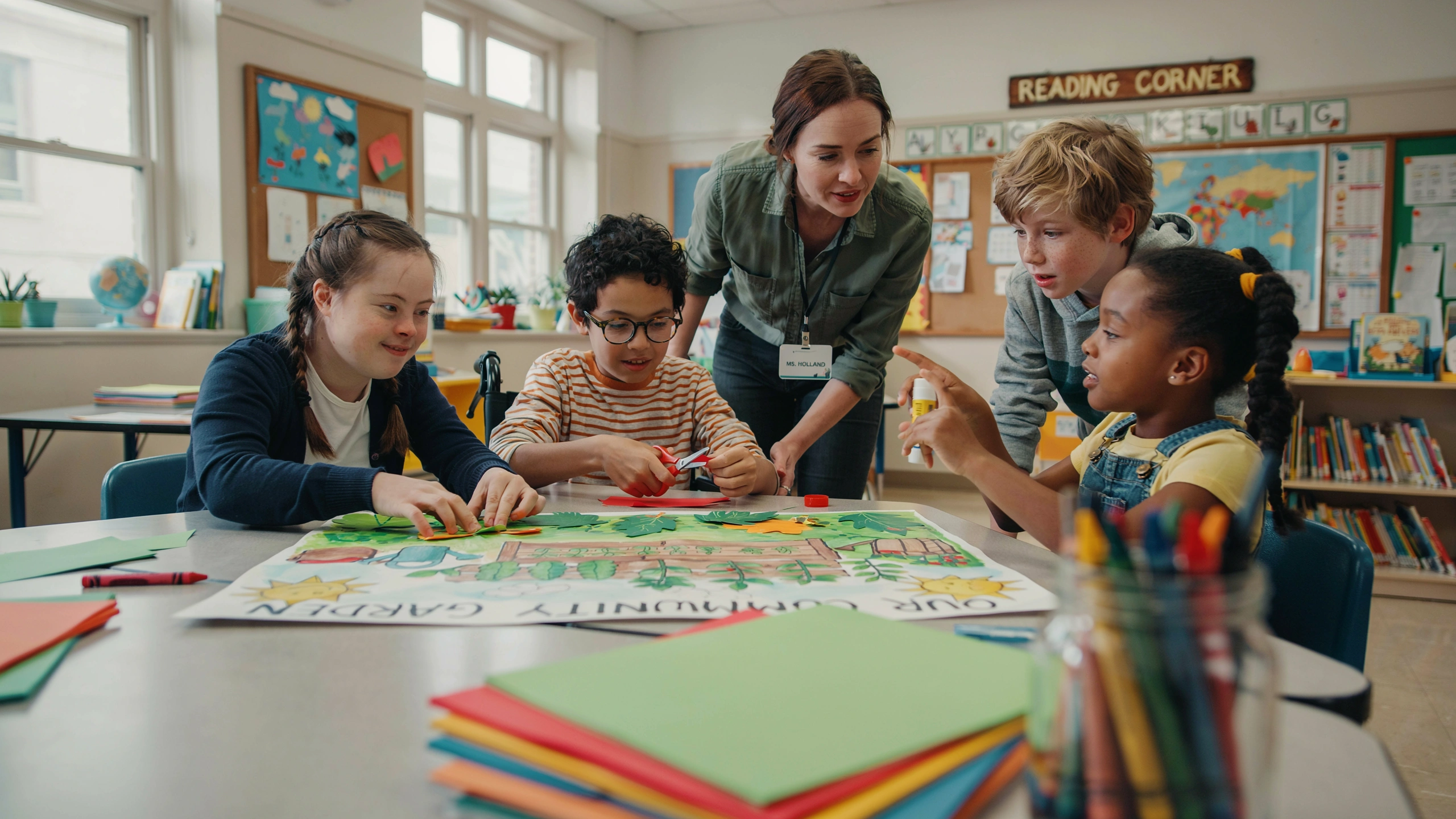
Group work is a valuable teaching strategy that allows students to learn from one another while developing important academic and social skills. When planned thoughtfully, it can create opportunities for collaboration, creativity, and problem-solving. However, group work is not automatically inclusive. Without careful organization, some students may dominate discussions while others remain silent or feel excluded.
Inclusive group work ensures that every student has an equal opportunity to participate, contribute, and learn. It recognizes that students have different abilities, communication styles, cultural backgrounds, and learning needs. By implementing effective strategies, teachers can transform group activities into meaningful experiences where every learner feels respected, supported, and empowered.
What Is Inclusive Group Work?
Inclusive group work is a collaborative learning approach that actively involves every student in achieving shared learning goals. It emphasizes equal participation, mutual respect, and shared responsibility.
In an inclusive group, students:
- Listen to one another.
- Value different perspectives.
- Share responsibilities fairly.
- Support each other’s learning.
- Celebrate individual strengths.
- Solve problems together.
The goal is not simply to complete a task but to ensure that every student contributes and benefits from the learning experience.
Why Inclusive Group Work Matters
Well-designed group work provides benefits that extend beyond academic learning.
Students develop:
- Communication skills.
- Critical thinking.
- Leadership abilities.
- Empathy.
- Teamwork.
- Self-confidence.
- Respect for diversity.
Inclusive collaboration also strengthens classroom relationships and creates a greater sense of belonging.
1. Form Diverse Groups
Teachers should intentionally create groups that include students with different abilities, backgrounds, personalities, and experiences.
When forming groups, consider:
- Academic strengths.
- Learning styles.
- Language proficiency.
- Social skills.
- Cultural diversity.
- Student interests.
Diverse groups encourage students to learn from one another and appreciate different viewpoints.
2. Establish Clear Expectations
Before beginning any group activity, teachers should explain what successful collaboration looks like.
Expectations may include:
- Listening respectfully.
- Sharing ideas equally.
- Completing assigned responsibilities.
- Encouraging all members to participate.
- Resolving disagreements respectfully.
Clear expectations help students understand their responsibilities within the group.
3. Assign Specific Roles
Giving students individual responsibilities promotes accountability and balanced participation.
Possible group roles include:
- Facilitator
- Recorder
- Presenter
- Timekeeper
- Materials Manager
- Researcher
- Encourager
Rotating these roles allows every student to develop different skills and prevents one person from dominating the task.
4. Teach Collaboration Skills
Many students need explicit instruction on how to work effectively with others.
Teachers should model skills such as:
- Active listening.
- Asking respectful questions.
- Giving constructive feedback.
- Sharing responsibilities.
- Solving conflicts peacefully.
- Appreciating different opinions.
These skills contribute to successful collaboration both inside and outside the classroom.
5. Design Tasks That Require Everyone’s Contribution
Inclusive group work is most effective when every member has an essential role.
Teachers can create activities where:
- Each student has unique information to share.
- Different perspectives are needed to solve a problem.
- Tasks are divided into interconnected parts.
- Every contribution is necessary for success.
Shared responsibility encourages full participation.
6. Support Students with Diverse Needs
Some students may need additional support during group activities.
Teachers can provide:
- Visual instructions.
- Graphic organizers.
- Sentence starters.
- Peer mentors.
- Flexible seating.
- Additional processing time.
- Assistive technology when appropriate.
These supports ensure meaningful participation for all learners.
7. Monitor Group Dynamics
Teachers should actively observe groups throughout the activity.
Observation helps identify:
- Unequal participation.
- Communication challenges.
- Social conflicts.
- Students who may need encouragement.
- Opportunities to provide additional guidance.
Regular monitoring allows teachers to intervene before problems affect learning.
8. Encourage Reflection
Reflection helps students improve future collaboration.
Teachers can ask questions such as:
- What did our group do well?
- How did everyone contribute?
- What challenges did we face?
- How could we improve our teamwork?
- What did I learn from my classmates?
Reflection promotes continuous growth in both academic and interpersonal skills.
9. Use Technology to Enhance Collaboration
Digital tools can increase accessibility and engagement during group work.
Useful technologies include:
- Shared online documents.
- Collaborative presentation software.
- Virtual whiteboards.
- Discussion platforms.
- Educational project management tools.
- Interactive brainstorming applications.
Technology enables students to contribute in ways that match their strengths.
10. Celebrate Team Success
Recognizing collaborative achievements reinforces positive behaviors.
Teachers can celebrate by:
- Highlighting effective teamwork.
- Displaying completed projects.
- Providing positive feedback.
- Awarding certificates for collaboration.
- Encouraging peer recognition.
Celebrating success motivates students to continue working cooperatively.
Common Challenges
Teachers may encounter difficulties such as:
- Unequal participation.
- Personality conflicts.
- Off-task behavior.
- Time management issues.
- Differences in ability levels.
These challenges can be minimized through clear planning, structured activities, and consistent teacher support.
Benefits Beyond the Classroom
Inclusive group work prepares students for future success by developing essential life skills, including:
- Leadership.
- Communication.
- Problem-solving.
- Cooperation.
- Adaptability.
- Responsibility.
- Emotional intelligence.
- Respect for diversity.
These competencies are valuable in higher education, the workplace, and everyday life.
Conclusion
Inclusive group work transforms classrooms into communities where every student has a meaningful role in learning. By forming diverse groups, teaching collaboration skills, assigning clear responsibilities, providing appropriate support, and encouraging reflection, teachers create opportunities for all learners to participate and succeed.
True inclusion means that every student is heard, respected, and valued. When group work is designed with inclusion in mind, it becomes more than an instructional strategy—it becomes a powerful way to build confidence, strengthen relationships, and prepare students to work successfully with others in an increasingly diverse world.