
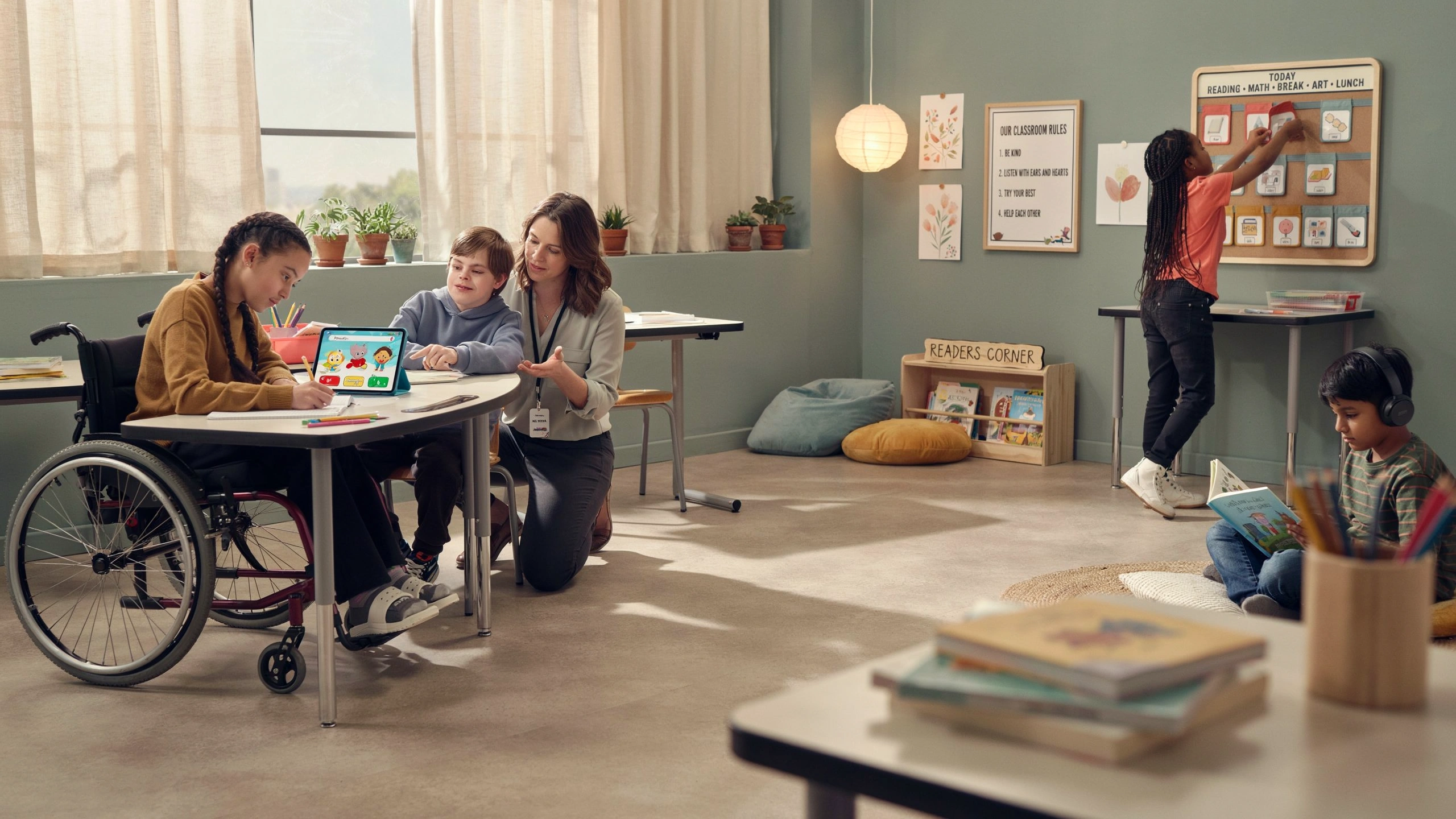
Introduction
Every student deserves the opportunity to learn, participate, and achieve success in school. However, many learners face barriers that make education more difficult. These barriers may be physical, academic, social, emotional, linguistic, or technological. While some obstacles are obvious, others are less visible but can significantly affect a student’s ability to engage in learning.
The good news is that teachers do not always need major reforms or expensive resources to make a difference. Small, thoughtful changes in classroom practices can remove many obstacles and create a more inclusive learning environment. By identifying and reducing barriers to learning, educators help all students reach their full potential.
Understanding Learning Barriers
A learning barrier is anything that prevents a student from fully accessing educational opportunities. These barriers vary from one student to another and may change over time.
Common barriers include:
- Physical disabilities.
- Learning disabilities.
- Language differences.
- Limited access to technology.
- Anxiety or stress.
- Low self-confidence.
- Cultural differences.
- Financial challenges.
- Difficulties with attention or concentration.
Recognizing these barriers is the first step toward creating an inclusive classroom.
Why Reducing Barriers Matters
When barriers are removed, students are better able to participate, learn, and succeed.
Inclusive classrooms often experience:
- Higher student engagement.
- Improved academic achievement.
- Better attendance.
- Stronger classroom relationships.
- Greater confidence among learners.
- Increased motivation.
- A positive and supportive school culture.
Removing barriers benefits every student, not only those with identified needs.
1. Build a Welcoming Classroom Environment
Students are more willing to learn when they feel safe, respected, and valued.
Teachers can:
- Greet students warmly each day.
- Learn every student’s name.
- Celebrate diversity.
- Display inclusive classroom materials.
- Encourage kindness and cooperation.
A positive classroom climate creates the foundation for successful learning.
2. Give Clear and Simple Instructions
Complex directions can confuse students and create unnecessary challenges.
Teachers should:
- Break tasks into smaller steps.
- Use simple language.
- Provide written and verbal instructions.
- Demonstrate expectations with examples.
- Check for understanding before beginning activities.
Clear communication helps students focus on learning instead of trying to interpret instructions.
3. Present Information in Multiple Ways
Students learn differently, so information should be presented using various methods.
Examples include:
- Spoken explanations.
- Written notes.
- Pictures and diagrams.
- Videos.
- Hands-on demonstrations.
- Graphic organizers.
- Interactive activities.
Providing multiple formats makes lessons accessible to a wider range of learners.
4. Offer Flexible Ways to Demonstrate Learning
Students should have opportunities to show their understanding in ways that reflect their strengths.
Teachers can allow students to:
- Write reports.
- Create presentations.
- Build models.
- Record videos.
- Design posters.
- Participate in interviews.
- Complete practical demonstrations.
Flexible assessments help measure learning more accurately.
5. Encourage Active Participation
Learning becomes more meaningful when students are actively involved.
Teachers can include:
- Group discussions.
- Cooperative learning.
- Educational games.
- Role-playing.
- Problem-solving activities.
- Classroom debates.
- Hands-on experiments.
Active participation increases engagement and understanding.
6. Use Assistive Technology
Technology can remove many learning barriers.
Helpful tools include:
- Text-to-speech software.
- Speech-to-text applications.
- Audiobooks.
- Closed captions.
- Digital note-taking tools.
- Interactive educational apps.
These resources support students with diverse learning needs while benefiting many other learners as well.
7. Provide Regular Feedback
Students improve when they receive constructive guidance throughout the learning process.
Effective feedback should be:
- Timely.
- Specific.
- Encouraging.
- Focused on improvement.
- Easy to understand.
Positive feedback builds confidence and encourages continued effort.
8. Promote Collaboration
Learning together helps students develop both academic and social skills.
Teachers can encourage:
- Peer tutoring.
- Small-group projects.
- Partner reading.
- Cooperative investigations.
- Team problem-solving.
Collaborative learning promotes inclusion by allowing students to support one another.
9. Partner with Families
Families provide valuable information about students’ strengths, interests, and challenges.
Teachers should:
- Maintain open communication.
- Share both achievements and concerns.
- Invite family participation in school activities.
- Respect cultural differences.
- Work together to support student learning.
Strong home-school partnerships contribute to student success.
10. Reflect and Improve Teaching Practices
Inclusive teaching requires continuous reflection.
Teachers can ask themselves:
- Which students participate most often?
- Who may need additional support?
- Are classroom materials accessible?
- Are all students represented in examples and resources?
- What changes could make learning easier for everyone?
Regular reflection helps teachers create increasingly inclusive classrooms.
Overcoming Common Challenges
Reducing barriers may involve challenges such as:
- Limited classroom resources.
- Large class sizes.
- Time constraints.
- Diverse learning needs.
- Limited professional training.
Even small adjustments can have a meaningful impact when applied consistently.
The Long-Term Benefits
Reducing barriers to learning helps students develop:
- Confidence.
- Independence.
- Problem-solving skills.
- Communication abilities.
- Resilience.
- Respect for diversity.
- Lifelong learning habits.
Teachers also benefit by creating more engaging and effective learning environments.
Conclusion
Inclusive education begins with recognizing that every student learns differently. By making simple adjustments—such as providing clear instructions, using varied teaching methods, offering flexible assessments, encouraging collaboration, and embracing assistive technology—teachers can remove many of the barriers that prevent students from reaching their full potential.
Small changes often lead to significant results. When classrooms are designed to reduce barriers rather than expecting students to overcome them alone, learning becomes more accessible, equitable, and meaningful for everyone. Ultimately, reducing barriers to learning is not just about improving academic outcomes—it is about ensuring that every student feels welcomed, supported, and empowered to succeed.