
Introduction
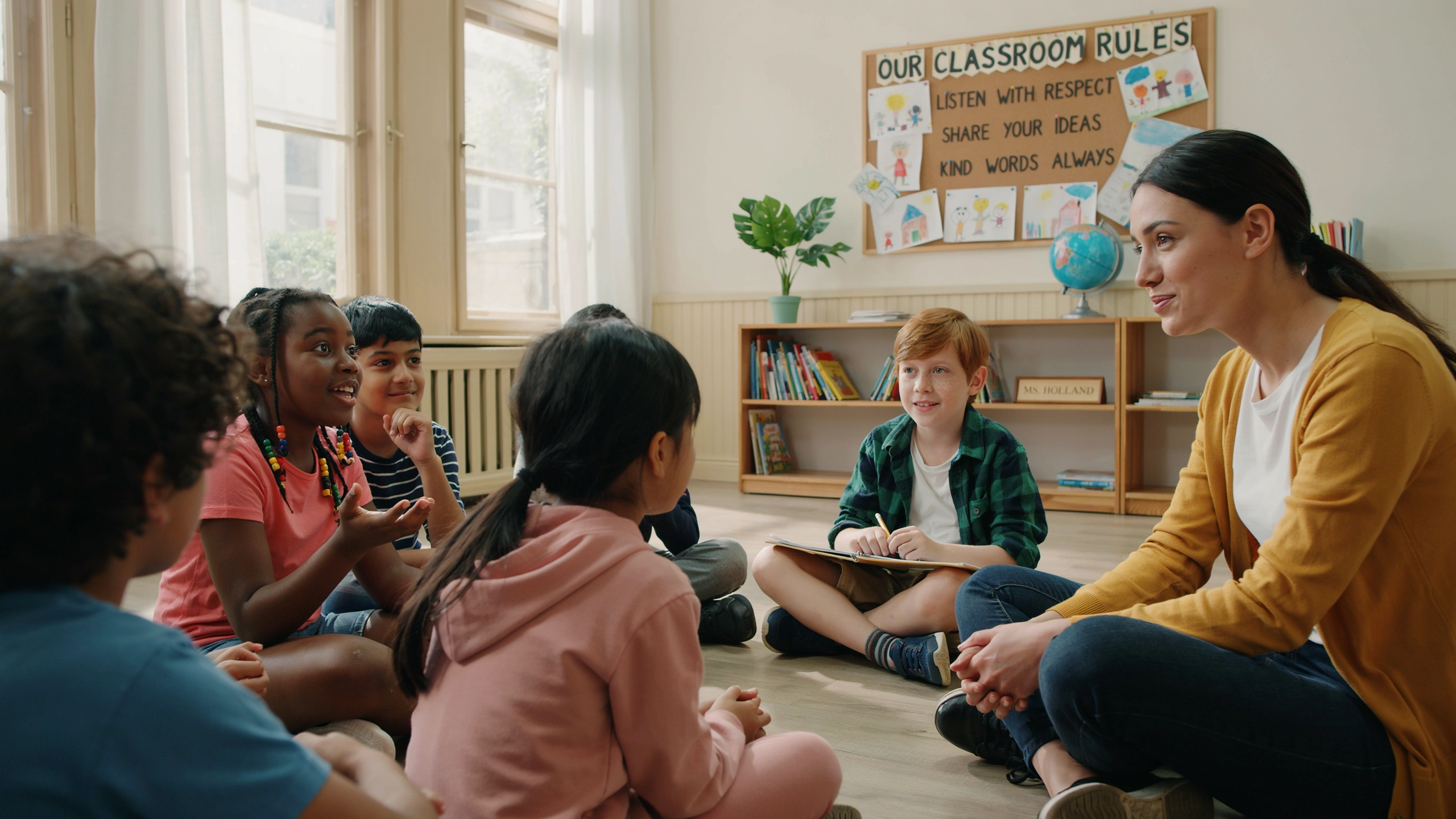
Inclusive education is built on the belief that every student matters and has the right to participate fully in the learning process. While teachers play a crucial role in designing lessons and managing classrooms, students themselves should also have opportunities to contribute to decisions that affect their education. This concept is known as student voice—the meaningful involvement of students in expressing their ideas, opinions, experiences, and preferences.
When students feel that their voices are heard and respected, they become more engaged, confident, and motivated to learn. Encouraging student voice also helps teachers better understand learners’ needs, making classrooms more inclusive, responsive, and supportive for everyone.
What Is Student Voice?
Student voice refers to the active participation of students in shaping their learning experiences. It goes beyond answering questions in class; it involves giving students genuine opportunities to share their perspectives and influence classroom practices.
Student voice may include:
- Sharing ideas during class discussions.
- Providing feedback on lessons.
- Helping establish classroom rules.
- Choosing learning activities or project topics.
- Participating in student councils.
- Reflecting on their learning experiences.
- Collaborating with teachers to improve the classroom environment.
When students know that their opinions matter, they develop a stronger connection to their education.
Why Student Voice Matters
Listening to students provides valuable insights into what helps them learn best. It also promotes a culture of respect and shared responsibility.
Schools that encourage student voice often experience:
- Higher student engagement.
- Improved academic achievement.
- Stronger teacher-student relationships.
- Greater confidence among learners.
- Better classroom behavior.
- Increased motivation.
- More inclusive learning environments.
Students who feel heard are more likely to participate actively and take ownership of their learning.
1. Build a Classroom Culture of Trust
Student voice can only flourish in an environment where students feel safe to express themselves.
Teachers can build trust by:
- Listening without interrupting.
- Respecting different opinions.
- Encouraging thoughtful discussions.
- Responding positively to questions.
- Valuing every contribution.
A respectful classroom atmosphere encourages students to participate without fear of judgment.
2. Offer Meaningful Choices
Providing choices helps students feel responsible for their learning.
Teachers can allow students to choose:
- Research topics.
- Reading materials.
- Project formats.
- Group members for certain activities.
- Methods of presenting their work.
Choice increases motivation while respecting individual interests and strengths.
3. Encourage Regular Feedback
Students should have opportunities to share their opinions about classroom experiences.
Teachers can gather feedback through:
- Anonymous surveys.
- Exit tickets.
- Reflection journals.
- Small-group discussions.
- Individual conferences.
- Classroom suggestion boxes.
Regular feedback helps teachers adjust instruction to better meet students’ needs.
4. Include Every Student
Some students are naturally confident speakers, while others may be hesitant to participate.
Teachers can encourage inclusion by:
- Allowing written responses.
- Using think-pair-share activities.
- Providing extra time for reflection.
- Inviting quieter students to contribute without pressure.
- Offering digital participation tools.
Multiple ways of participating ensure that every student’s voice can be heard.
5. Use Collaborative Decision-Making
Students become more invested when they help shape classroom routines.
Teachers can involve students in decisions such as:
- Creating classroom expectations.
- Planning class projects.
- Selecting enrichment activities.
- Organizing classroom responsibilities.
- Setting learning goals.
Shared decision-making fosters responsibility and mutual respect.
6. Promote Self-Advocacy
Student voice also includes helping learners understand and communicate their own needs.
Teachers can encourage students to:
- Ask for clarification.
- Request additional support when needed.
- Reflect on their strengths.
- Identify learning challenges.
- Set personal goals.
Developing self-advocacy prepares students for lifelong learning and independence.
7. Celebrate Diversity of Perspectives
Every classroom includes students with unique backgrounds and experiences.
Teachers should encourage students to:
- Share cultural traditions.
- Discuss different viewpoints respectfully.
- Learn from one another’s experiences.
- Appreciate multiple perspectives during discussions.
Celebrating diversity enriches learning and strengthens inclusion.
8. Partner with Families
Families provide valuable insights into students’ interests, strengths, and aspirations.
Teachers can strengthen student voice by:
- Inviting family input.
- Encouraging home-school communication.
- Sharing student achievements.
- Including families in learning celebrations.
Strong partnerships help create consistent support for students.
Challenges to Encouraging Student Voice
Teachers may encounter obstacles such as:
- Limited classroom time.
- Large class sizes.
- Students who lack confidence.
- Fear of criticism.
- Balancing curriculum requirements.
These challenges can be addressed through careful planning, consistent encouragement, and creating multiple opportunities for participation.
Long-Term Benefits of Student Voice
Students who regularly express their ideas and participate in decision-making develop valuable life skills, including:
- Confidence
- Leadership
- Critical thinking
- Communication
- Problem-solving
- Responsibility
- Collaboration
- Respect for others
These skills prepare students for success in school, the workplace, and civic life.
Conclusion
Student voice is a powerful foundation for inclusive education. When teachers actively listen to students, provide meaningful choices, encourage feedback, and involve learners in classroom decisions, they create environments where everyone feels respected and valued.
An inclusive classroom is not simply one where students receive instruction—it is a community where learners contribute, collaborate, and grow together. By embracing student voice, educators empower students to become active participants in their own education, strengthening both academic achievement and personal development. In truly inclusive schools, every voice matters, every perspective is valued, and every student has the opportunity to shape their learning journey.