
Introduction
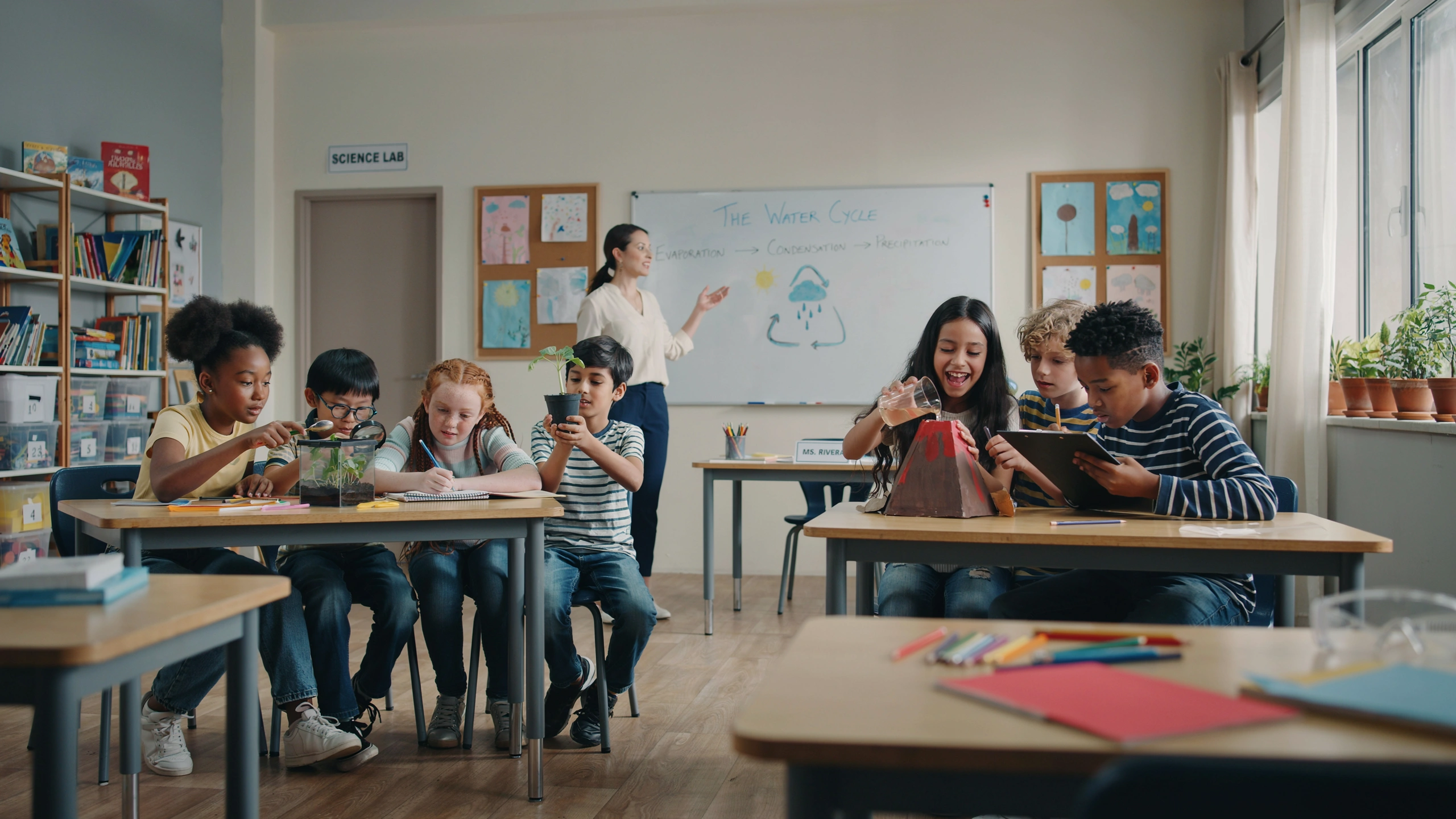
Inclusive classrooms thrive when students learn with one another rather than simply alongside one another. Collaborative learning is an instructional approach that encourages students to work together to solve problems, complete projects, and achieve shared learning goals. Instead of competing for success, students support one another, exchange ideas, and recognize that every member of the group has valuable contributions to make.
Collaborative learning is especially powerful in inclusive education because it creates opportunities for students of different abilities, cultures, languages, and backgrounds to interact meaningfully. These positive interactions help build friendships, improve academic achievement, and foster a sense of belonging that benefits every learner.
What Is Collaborative Learning?
Collaborative learning is a teaching strategy in which students work together in pairs or small groups to complete tasks, discuss ideas, or solve problems. Each student plays an active role, and the success of the group depends on everyone’s participation.
Unlike traditional group work, effective collaborative learning is carefully planned to ensure that all students contribute and learn from one another.
Examples of collaborative learning include:
- Group research projects
- Problem-solving activities
- Science experiments
- Literature circles
- Peer tutoring
- Team presentations
- Classroom debates
These activities encourage students to think critically while developing important social skills.
Why Collaborative Learning Supports Inclusion
Collaborative learning creates an environment where diversity becomes a strength rather than a challenge.
Students benefit by:
- Learning from different perspectives.
- Developing empathy and respect.
- Improving communication skills.
- Building confidence.
- Feeling accepted by their peers.
- Becoming active participants in learning.
Students who may struggle during independent work often gain confidence through supportive group interactions.
1. Create Diverse Learning Groups
One of the most effective strategies is to form groups that include students with different strengths, experiences, and abilities.
Teachers should consider:
- Academic diversity.
- Learning styles.
- Cultural backgrounds.
- Language abilities.
- Personal interests.
- Social compatibility.
Diverse groups encourage students to appreciate different ways of thinking and solving problems.
2. Assign Meaningful Roles
Giving each student a specific responsibility helps ensure equal participation.
Possible group roles include:
- Discussion leader
- Note-taker
- Timekeeper
- Materials manager
- Presenter
- Researcher
- Encourager
Rotating these roles allows every student to develop a variety of skills and prevents one student from dominating the group.
3. Teach Collaboration Skills Explicitly
Successful teamwork does not happen automatically. Students need guidance on how to work together effectively.
Teachers should model and teach skills such as:
- Active listening
- Respectful communication
- Asking thoughtful questions
- Sharing ideas politely
- Resolving disagreements
- Encouraging quieter classmates
These skills contribute to a positive and inclusive classroom culture.
4. Design Tasks That Require Cooperation
Collaborative learning is most effective when students truly depend on one another.
Teachers can design activities where:
- Each student has unique information.
- Every group member completes a different part of the project.
- Students combine their knowledge to solve a problem.
- Success depends on everyone’s contribution.
This approach promotes equal participation and shared responsibility.
5. Encourage Reflection After Group Work
Reflection helps students recognize what they learned academically and socially.
Teachers can ask questions such as:
- What did our group do well?
- How did everyone contribute?
- What challenges did we face?
- How could we improve next time?
- What did I learn from my classmates?
Reflection strengthens both learning and teamwork.
6. Support Students Who Need Additional Assistance
Some students may require extra support to participate successfully.
Teachers can provide:
- Visual instructions.
- Sentence starters.
- Graphic organizers.
- Peer mentors.
- Additional processing time.
- Flexible group arrangements.
Providing appropriate support ensures that every student can participate meaningfully.
7. Use Technology to Enhance Collaboration
Digital tools can make collaborative learning more accessible.
Useful technologies include:
- Shared online documents.
- Interactive whiteboards.
- Educational collaboration platforms.
- Digital brainstorming tools.
- Video conferencing for remote collaboration.
- Online discussion forums.
Technology allows students to work together in flexible and creative ways.
8. Assess Both Individual and Group Learning
Assessment should recognize both teamwork and individual understanding.
Teachers can evaluate:
- Group presentations.
- Individual reflections.
- Participation.
- Problem-solving processes.
- Peer feedback.
- Final products.
- Self-assessments.
Balanced assessment encourages accountability while valuing collaboration.
Overcoming Common Challenges
Collaborative learning may present challenges, including:
- Unequal participation.
- Personality conflicts.
- Off-task behavior.
- Communication difficulties.
- Time management issues.
Teachers can address these challenges by establishing clear expectations, monitoring group work, and providing ongoing feedback.
Benefits Beyond the Classroom
Collaborative learning prepares students for life beyond school.
Students develop essential skills such as:
- Leadership
- Communication
- Critical thinking
- Cooperation
- Empathy
- Conflict resolution
- Adaptability
- Responsibility
These skills are highly valued in higher education, workplaces, and communities.
Conclusion
Collaborative learning is one of the most effective strategies for strengthening inclusion in today’s classrooms. By encouraging students to work together, share ideas, and appreciate one another’s strengths, teachers create learning environments where every student feels respected and valued.
Inclusive education is not only about providing equal access to learning—it is about building meaningful relationships that allow every learner to participate and succeed. Through thoughtful planning, clear expectations, and supportive teaching practices, collaborative learning transforms classrooms into communities where diversity is celebrated, teamwork is encouraged, and every student has the opportunity to thrive.