
Introduction
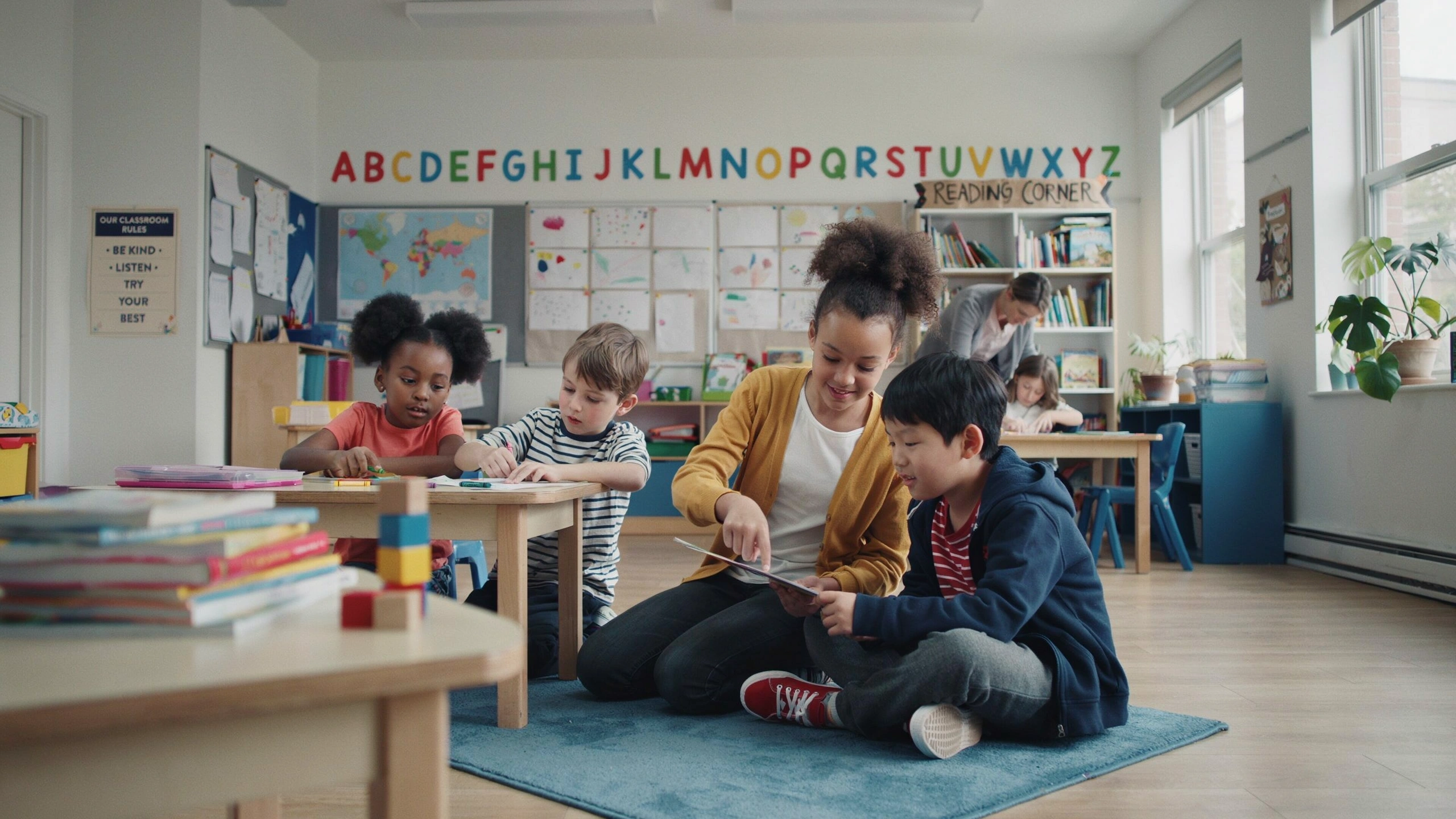
An inclusive school is built not only through effective teaching practices but also through meaningful relationships among students. One of the most powerful ways to create these relationships is through peer support programs. These programs encourage students to help, learn from, and support one another, fostering a culture of respect, empathy, and collaboration.
Peer support programs benefit all students, including those with disabilities, language barriers, learning differences, or social challenges. They create opportunities for friendships, improve academic engagement, and help every student feel that they are an important member of the school community.
What Is a Peer Support Program?
A peer support program is a structured initiative in which students assist and encourage one another in academic, social, or emotional settings. Unlike informal friendships, these programs are carefully planned and supervised by teachers or school staff.
Peer support can take many forms, including:
- Peer tutoring
- Buddy systems
- Cooperative learning groups
- Peer mentoring
- Student leadership teams
- Playground buddies
- Reading partners
The goal is not for one student to “teach” another, but for both students to learn, grow, and succeed together.
Why Peer Support Matters
Students often learn as much from their classmates as they do from their teachers. Positive peer interactions can increase confidence, reduce feelings of isolation, and improve motivation.
Schools that implement peer support programs often see:
- Greater student participation
- Improved academic achievement
- Better communication skills
- Increased empathy and understanding
- Stronger friendships
- Reduced bullying
- A more welcoming school climate
These benefits contribute to both academic success and emotional well-being.
1. Establish Clear Goals
Every successful peer support program begins with clear objectives.
Schools may aim to:
- Improve academic performance.
- Encourage social inclusion.
- Support students with disabilities.
- Help new students adjust to school.
- Develop leadership skills.
- Promote kindness and cooperation.
Clearly defined goals guide program planning and evaluation.
2. Select and Prepare Student Volunteers
Peer supporters should be chosen carefully. Academic excellence is not the only qualification; qualities such as kindness, patience, responsibility, and respect are equally important.
Training should cover topics such as:
- Active listening
- Effective communication
- Respecting diversity
- Maintaining confidentiality
- Encouraging participation
- Solving minor conflicts
- Knowing when to seek adult help
Proper training helps students become confident and effective supporters.
3. Match Students Thoughtfully
Successful partnerships are based on compatibility rather than convenience.
Teachers should consider:
- Shared interests
- Similar ages when appropriate
- Personality differences
- Communication styles
- Individual strengths
- Student preferences
Well-matched pairs are more likely to develop genuine friendships.
4. Integrate Peer Support into Daily School Life
Peer support should become part of everyday routines rather than an occasional activity.
Examples include:
- Reading together during literacy lessons.
- Working in mixed-ability groups.
- Partnering during science experiments.
- Helping classmates during transitions.
- Welcoming new students.
- Supporting participation during extracurricular activities.
Regular interaction strengthens relationships over time.
5. Encourage Equal Participation
Peer support is most effective when both students contribute.
Teachers should avoid creating relationships where one student is always the helper and the other is always the recipient of help.
Instead, encourage students to:
- Share ideas.
- Solve problems together.
- Take turns leading activities.
- Celebrate each other’s strengths.
- Learn from one another.
Mutual participation promotes dignity and respect.
6. Monitor and Support the Program
Teachers should regularly observe peer interactions to ensure that partnerships remain positive and productive.
Monitoring may include:
- Classroom observations
- Student feedback
- Reflection journals
- Informal conversations
- Parent communication
Continuous support helps identify challenges before they become problems.
7. Recognize Student Contributions
Acknowledging students’ efforts encourages continued participation.
Schools can recognize peer supporters by:
- Awarding certificates
- Celebrating achievements during assemblies
- Displaying appreciation boards
- Writing positive notes to families
- Highlighting acts of kindness in newsletters
Recognition reinforces the value of helping others.
The Role of Teachers
Teachers play an essential role in guiding peer support programs.
They should:
- Model respectful behavior.
- Facilitate positive interactions.
- Provide ongoing encouragement.
- Address conflicts promptly.
- Ensure that all students feel included.
- Adjust partnerships when necessary.
Teacher guidance helps create meaningful and lasting peer relationships.
Challenges and Solutions
Implementing peer support programs may present challenges.
Challenge: Some students may feel shy or reluctant to participate.
Solution: Begin with short, structured activities that gradually build confidence.
Challenge: Partnerships may not always work well.
Solution: Regularly review pairings and make adjustments when needed.
Challenge: Students may misunderstand their responsibilities.
Solution: Provide clear expectations and ongoing coaching.
With careful planning, these challenges can be successfully addressed.
Long-Term Benefits
Well-designed peer support programs have lasting effects beyond the classroom.
Students develop:
- Leadership skills
- Empathy
- Responsibility
- Communication skills
- Teamwork
- Confidence
- Respect for diversity
- Problem-solving abilities
These skills prepare students for future academic, professional, and personal success.
Conclusion
Peer support programs are a powerful tool for promoting inclusion and building a positive school culture. By encouraging students to learn, collaborate, and support one another, schools create environments where every learner feels welcomed, respected, and valued.
Successful peer support programs require thoughtful planning, ongoing guidance, and a commitment to fostering meaningful relationships. When students are given opportunities to help one another, they not only improve academic outcomes but also develop compassion, leadership, and lifelong social skills. Ultimately, inclusion becomes more than a school policy—it becomes a shared responsibility embraced by the entire school community.