
Introduction
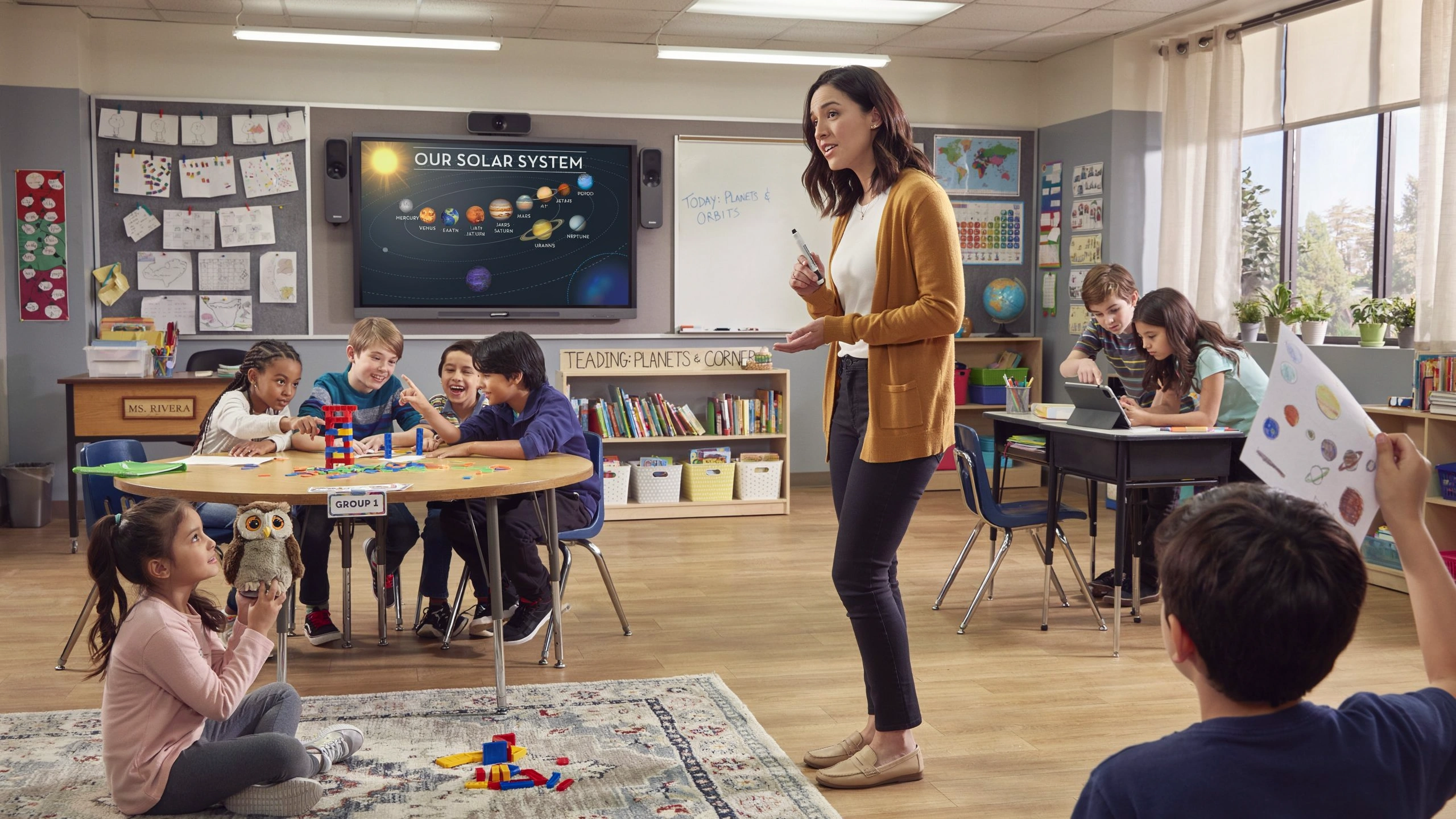
No two students learn in exactly the same way. In every classroom, learners bring unique strengths, experiences, interests, and preferences that influence how they understand new information. While some students grasp concepts quickly through visual aids, others learn best by listening, discussing ideas, or participating in hands-on activities. Recognizing these differences is essential for creating an inclusive classroom where every student has the opportunity to succeed.
Inclusive teaching is not about creating separate lessons for every learner. Instead, it involves using a variety of instructional strategies that make learning accessible, engaging, and meaningful for all students. By embracing flexible teaching practices, educators can support diverse learning styles while promoting equity and academic achievement.
Understanding Learning Styles
Although every student uses a combination of learning approaches, many learners show preferences for certain ways of processing information. The most commonly recognized learning preferences include:
- Visual learners, who benefit from images, diagrams, charts, and videos.
- Auditory learners, who understand concepts through listening, discussions, and verbal explanations.
- Reading and writing learners, who prefer written instructions, textbooks, note-taking, and independent reading.
- Kinesthetic learners, who learn best through movement, hands-on activities, experiments, and real-world experiences.
Effective teaching recognizes these differences and provides multiple ways for students to engage with the curriculum.
Why Inclusive Teaching Matters
Inclusive teaching benefits every student, not only those with identified learning needs.
When teachers use a variety of instructional methods, students are more likely to:
- Stay engaged during lessons.
- Develop confidence in their abilities.
- Improve academic performance.
- Participate actively in classroom activities.
- Build stronger problem-solving skills.
- Appreciate different ways of learning.
Inclusive classrooms also promote respect, cooperation, and a positive learning culture.
1. Present Information in Multiple Ways
One of the simplest inclusive strategies is to present new content using different formats.
Teachers can combine:
- Spoken explanations
- Written notes
- Diagrams and illustrations
- Educational videos
- Demonstrations
- Interactive digital resources
- Real-life examples
Using multiple formats increases understanding and allows students to access information in ways that match their strengths.
2. Encourage Active Learning
Students remember more when they actively participate in the learning process.
Active learning strategies include:
- Classroom discussions
- Science experiments
- Role-playing activities
- Educational games
- Problem-solving challenges
- Hands-on projects
- Learning stations
These activities help students apply knowledge rather than simply memorize facts.
3. Differentiate Classroom Assignments
Students should have opportunities to demonstrate learning in different ways.
Instead of requiring every student to complete the same type of assignment, teachers can offer options such as:
- Writing an essay
- Creating a poster
- Designing a presentation
- Producing a short video
- Building a model
- Conducting an interview
- Completing a digital project
Providing choices increases motivation while allowing students to showcase their strengths.
4. Use Visual Supports
Visual materials improve comprehension for many learners.
Helpful visual supports include:
- Mind maps
- Timelines
- Flowcharts
- Infographics
- Picture cards
- Color-coded notes
- Graphic organizers
Visual aids help students organize information and understand complex concepts more easily.
5. Promote Collaborative Learning
Learning with peers allows students to benefit from different perspectives.
Teachers can organize:
- Pair work
- Small-group discussions
- Cooperative projects
- Peer tutoring
- Team investigations
Collaborative learning strengthens communication skills while encouraging mutual respect and inclusion.
6. Incorporate Technology
Educational technology provides flexible learning opportunities for students with diverse needs.
Useful tools include:
- Interactive whiteboards
- Educational apps
- Digital quizzes
- Audiobooks
- Speech-to-text software
- Text-to-speech programs
- Online simulations
Technology enables students to access content and express their understanding in different ways.
7. Provide Clear Instructions
Some students require additional support to understand classroom expectations.
Teachers can improve clarity by:
- Giving step-by-step instructions.
- Modeling completed examples.
- Using simple, concise language.
- Providing written and verbal directions.
- Checking for understanding before beginning activities.
Clear guidance reduces confusion and increases student confidence.
8. Encourage Student Reflection
Reflection helps students become more aware of their own learning processes.
Teachers can ask students to consider:
- Which activities helped me learn best?
- What challenges did I face?
- Which strategies were most effective?
- What can I improve next time?
Developing self-awareness encourages students to become independent learners.
9. Create a Flexible Learning Environment
The physical classroom also influences learning.
Teachers can provide:
- Quiet spaces for independent work.
- Areas for group collaboration.
- Comfortable reading corners.
- Flexible seating options where possible.
- Easily accessible learning materials.
A flexible environment accommodates different learning preferences and promotes student comfort.
10. Assess Learning in Diverse Ways
Traditional tests do not always reflect students’ true understanding.
Inclusive assessment may include:
- Portfolios
- Oral presentations
- Classroom observations
- Group projects
- Practical demonstrations
- Learning journals
- Self-assessments
Using varied assessment methods provides a more complete picture of student progress.
Challenges Teachers May Face
Implementing inclusive teaching practices may present challenges such as:
- Limited classroom time.
- Large class sizes.
- Diverse student needs.
- Limited resources.
- Balancing curriculum requirements.
However, even small changes can significantly improve student participation and learning outcomes.
Benefits for the Entire Classroom
Inclusive teaching creates advantages for everyone.
Students develop:
- Greater confidence
- Higher motivation
- Stronger collaboration skills
- Better communication
- Increased creativity
- Respect for diversity
- Improved academic achievement
Teachers also benefit by creating more dynamic, engaging, and responsive learning environments.
Conclusion
Inclusive teaching recognizes that diversity is a strength rather than a challenge. By presenting information in multiple ways, encouraging active participation, differentiating assignments, using technology, and creating flexible learning environments, teachers can ensure that every student has meaningful opportunities to succeed.
There is no single “best” way to learn. When educators embrace a variety of teaching practices, they create classrooms where differences are respected, barriers are reduced, and every learner feels capable of achieving success. Inclusive teaching is not simply about meeting individual needs—it is about building a classroom where every student can learn, contribute, and flourish.