
Introduction
A student’s sense of belonging is one of the strongest predictors of academic success, emotional well-being, and school engagement. When students feel accepted, respected, and valued, they are more likely to participate in class, build positive relationships, and persevere through challenges. Conversely, students who feel isolated or excluded often experience lower motivation, increased anxiety, and decreased academic performance.
In today’s diverse classrooms, fostering a sense of belonging is more important than ever. Students come from different cultural backgrounds, speak different languages, have varying abilities, and bring unique experiences to school. Teachers play a central role in creating an environment where every learner feels that they are an important part of the classroom community.
What Does a Sense of Belonging Mean?
A sense of belonging means that students feel:
- Accepted for who they are.
- Safe to express their thoughts and ideas.
- Respected by teachers and classmates.
- Included in classroom activities.
- Connected to their learning community.
- Confident that their contributions matter.
Belonging is not simply about being present in the classroom—it is about feeling welcomed, supported, and valued every day.
Why Belonging Matters
Research consistently shows that students who experience a strong sense of belonging are more likely to:
- Achieve higher academic results.
- Attend school regularly.
- Participate actively in class discussions.
- Build healthy friendships.
- Develop resilience during difficult situations.
- Experience better emotional well-being.
- Demonstrate greater motivation to learn.
A positive classroom climate benefits both individual students and the entire learning community.
1. Learn About Every Student
One of the simplest ways to build belonging is by getting to know students as individuals.
Teachers can:
- Learn and correctly pronounce each student’s name.
- Discover students’ interests and hobbies.
- Ask about their learning preferences.
- Recognize their strengths and talents.
- Show genuine curiosity about their experiences.
Small personal connections help students feel seen and appreciated.
2. Create an Inclusive Classroom Culture
Classroom culture should celebrate diversity rather than simply tolerate it.
Teachers can:
- Display books featuring diverse characters.
- Include examples from different cultures in lessons.
- Celebrate international events and traditions.
- Encourage students to share aspects of their backgrounds.
- Promote respect for different viewpoints.
When diversity is visible and valued, students feel represented and included.
3. Establish Clear Expectations for Respect
Students should understand that kindness and respect are classroom expectations.
Teachers can work with students to create class agreements such as:
- Listen when others are speaking.
- Respect different opinions.
- Use kind language.
- Help classmates when needed.
- Include everyone in activities.
Consistently reinforcing these expectations creates a safe learning environment.
4. Encourage Student Voice
Students are more engaged when they believe their opinions matter.
Teachers can provide opportunities for students to:
- Choose project topics.
- Share personal experiences.
- Participate in classroom decision-making.
- Ask questions freely.
- Reflect on their learning.
Giving students a voice increases ownership and confidence.
5. Use Cooperative Learning
Collaborative activities help students build relationships while learning together.
Effective cooperative learning includes:
- Mixed-ability groups.
- Shared responsibilities.
- Clear team goals.
- Opportunities for discussion.
- Reflection after group work.
Working together teaches communication, empathy, and teamwork.
6. Celebrate Individual Strengths
Every student brings unique talents to the classroom.
Teachers should recognize achievements in many areas, including:
- Creativity
- Leadership
- Problem-solving
- Kindness
- Perseverance
- Artistic ability
- Collaboration
Celebrating diverse strengths helps every student experience success.
7. Address Bullying and Exclusion Immediately
A classroom cannot be inclusive if students feel unsafe.
Teachers should:
- Respond quickly to bullying.
- Teach conflict-resolution skills.
- Encourage empathy.
- Monitor social interactions.
- Support students who may feel isolated.
Prompt action demonstrates that every student’s well-being matters.
8. Build Strong Teacher-Student Relationships
Positive relationships form the foundation of belonging.
Teachers can strengthen connections by:
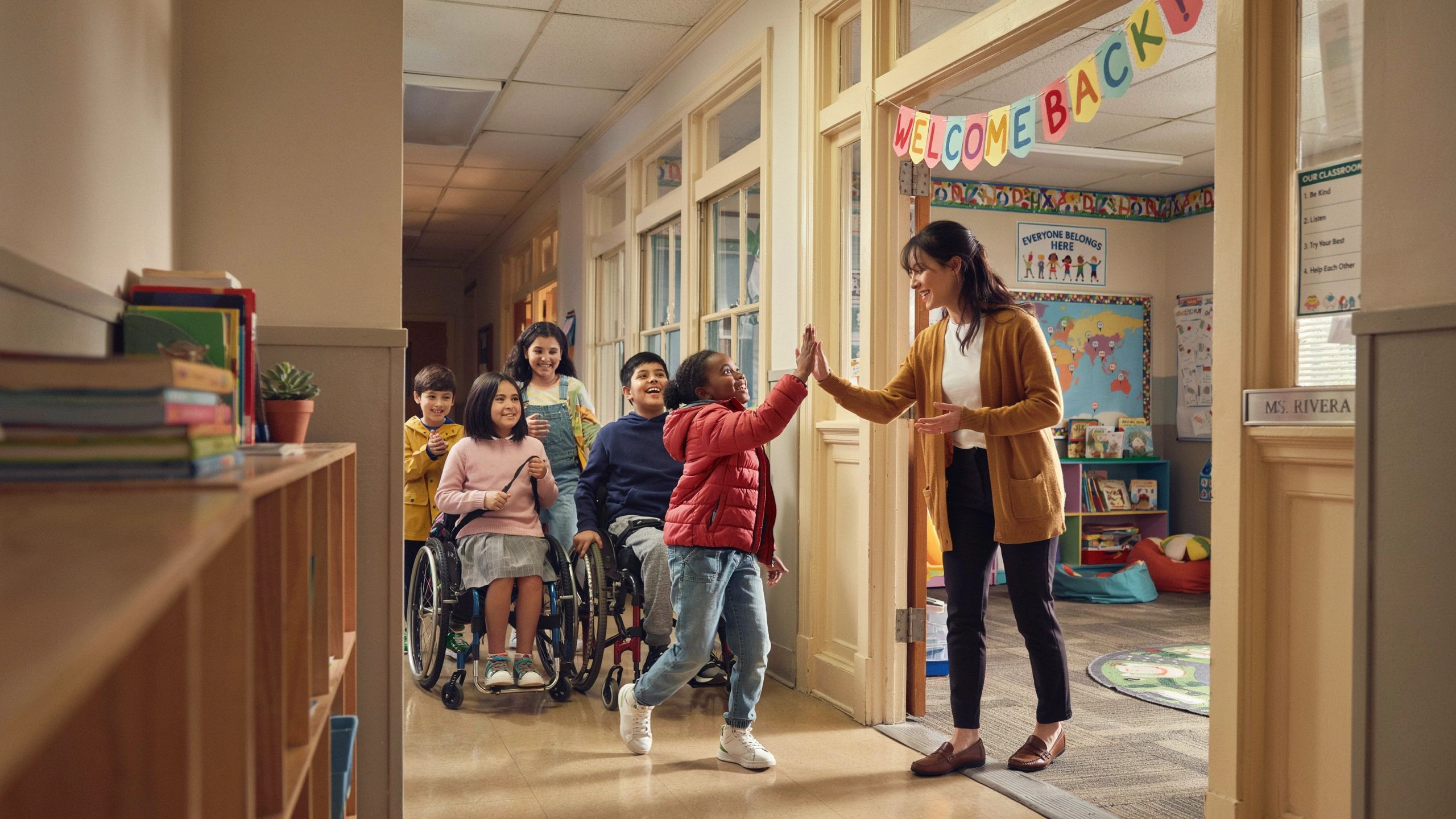
- Greeting students warmly each day.
- Offering encouragement.
- Providing constructive feedback.
- Listening carefully to student concerns.
- Showing patience and understanding.
Students who trust their teachers are more willing to take academic risks.
9. Partner with Families
Families provide valuable insights into students’ strengths, cultures, and needs.
Teachers can build partnerships by:
- Communicating regularly.
- Sharing positive news, not only concerns.
- Inviting families to classroom events.
- Respecting cultural traditions.
- Encouraging family participation in learning.
Strong home-school relationships reinforce students’ sense of belonging.
10. Reflect on Inclusive Practices
Creating belonging requires continuous reflection.
Teachers can ask themselves:
- Does every student participate regularly?
- Whose voices are missing during discussions?
- Are classroom materials culturally inclusive?
- Do all students feel comfortable asking for help?
- How can I improve my classroom environment?
Ongoing reflection helps teachers identify opportunities for growth.
The Long-Term Benefits of Belonging
When students experience belonging, they develop skills that extend beyond school.
These include:
- Self-confidence
- Emotional resilience
- Communication skills
- Collaboration
- Respect for diversity
- Leadership
- Lifelong learning habits
A strong sense of belonging prepares students to thrive in both academic and social settings.
Conclusion
Creating a sense of belonging is one of the most meaningful responsibilities of an educator. By building positive relationships, celebrating diversity, encouraging student voice, promoting cooperation, and creating a respectful classroom culture, teachers can ensure that every learner feels valued and included.
Belonging is not created through a single activity or lesson—it is built through daily interactions, thoughtful teaching practices, and genuine care for every student. When students know they belong, they become more confident, engaged, and ready to reach their full potential. An inclusive classroom is not simply a place where students learn together; it is a community where everyone feels they truly belong.