
Introduction
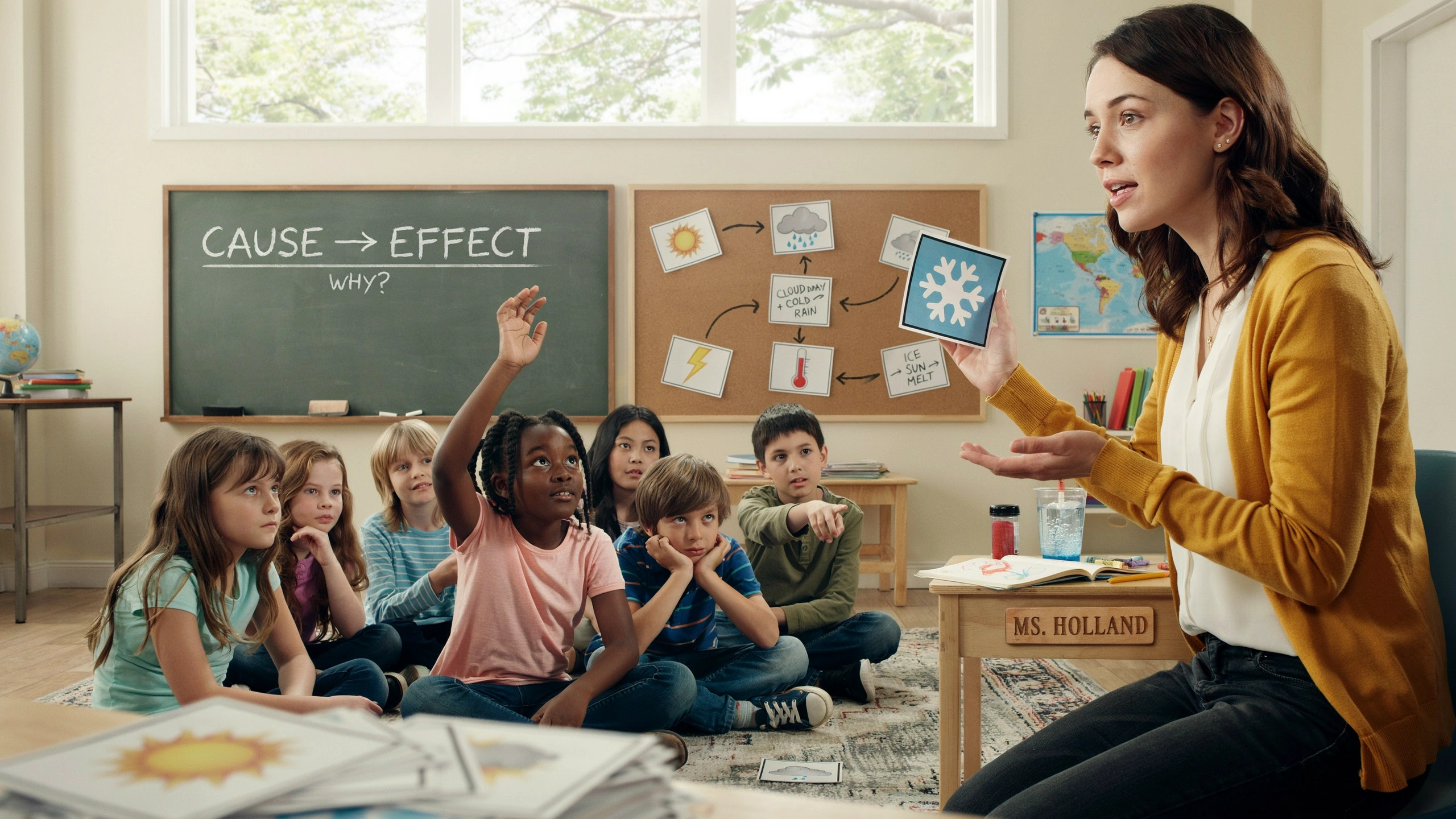
Understanding cause and effect is an essential part of a child’s cognitive development. It helps children recognize how actions lead to consequences, make predictions, and solve problems more effectively. One of the best ways to strengthen this skill is through If-Then thinking games, where children explore what might happen when certain situations occur.
These simple games encourage logical reasoning, critical thinking, creativity, and decision-making. Whether played at home, in the classroom, or during a family road trip, If-Then activities turn everyday conversations into valuable learning experiences.
What Is If-Then Thinking?
“If-Then” thinking teaches children to connect actions with outcomes.
For example:
- If you water a plant regularly, then it grows healthy.
- If you forget your umbrella, then you may get wet.
- If you study for a test, then you’re more likely to do well.
Making these connections helps children understand the world in a logical and organized way.
Why Cause-and-Effect Thinking Matters
Children who understand cause and effect are better able to:
- Solve problems independently
- Predict outcomes
- Make responsible decisions
- Understand stories
- Learn scientific concepts
- Improve reading comprehension
These skills also support emotional development, as children begin to recognize how their choices affect themselves and others.
1. Everyday If-Then Questions
Ask children simple questions based on daily routines.
Examples:
- If we don’t brush our teeth, then what might happen?
- If we leave ice cream in the sun, then what happens?
- If we forget to feed the fish, then what could happen?
Encourage children to explain their answers.
Skills Developed:
- Logical reasoning
- Prediction
- Communication
- Critical thinking
2. Weather Prediction Game
Ask children to complete weather-related statements.
Examples:
- If dark clouds appear, then…
- If the temperature drops below freezing, then…
- If the wind becomes very strong, then…
This activity connects science with logical thinking.
Skills Developed:
- Scientific reasoning
- Observation
- Cause and effect
- Prediction
3. Story Completion Challenge
Read the beginning of a story and stop at an important moment.
Example:
“The little rabbit forgot to close the garden gate…”
Ask:
- What might happen next?
- Why?
- What could the rabbit do to solve the problem?
Skills Developed:
- Reading comprehension
- Sequencing
- Creative thinking
- Logical reasoning
4. Nature Cause-and-Effect Game
Explore the outdoors and discuss natural events.
Examples:
- If a flower doesn’t get sunlight, then…
- If birds migrate south, then…
- If it rains for several days, then…
Children learn to recognize patterns in nature.
Skills Developed:
- Observation
- Scientific thinking
- Curiosity
- Prediction
5. Build Your Own If-Then Statements
Invite children to create their own logical sentences.
Examples:
- If I practice soccer every day, then…
- If I share my toys, then…
- If I clean my room, then…
This activity encourages independent thinking.
Skills Developed:
- Creativity
- Decision-making
- Logical thinking
- Communication
6. Picture Prediction Game
Show a picture and ask children to imagine what happened before and what might happen after.
Example:
A child holding an umbrella in heavy rain.
Questions:
- What happened before this picture?
- What might happen next?
- Why is the umbrella useful?
Skills Developed:
- Observation
- Inference
- Sequencing
- Cause-and-effect reasoning
7. Science Experiment Predictions
Before performing a simple experiment, ask children to predict the outcome.
Examples:
- If we mix baking soda and vinegar, then…
- If we place ice in the sun, then…
- If we water one plant but not another, then…
Afterward, compare predictions with the actual results.
Skills Developed:
- Scientific inquiry
- Prediction
- Observation
- Problem-solving
8. Emotion and Behavior Scenarios
Discuss how actions affect feelings.
Examples:
- If you help a friend, then…
- If someone says something kind, then…
- If you interrupt during a conversation, then…
Children begin to understand emotional cause and effect.
Skills Developed:
- Empathy
- Social awareness
- Decision-making
- Communication
9. Mystery Outcome Game
Describe an outcome and ask children to identify the possible cause.
Example:
“The floor is wet.”
Possible causes:
- Someone spilled water.
- It rained through an open window.
- A pet knocked over its bowl.
Encourage children to think of multiple logical explanations.
Skills Developed:
- Deductive reasoning
- Flexible thinking
- Observation
- Creativity
10. Family Decision Challenges
Present everyday family situations.
Examples:
- If we leave late for school, then…
- If we forget the shopping list, then…
- If we save money every week, then…
Children discuss possible consequences and solutions.
Skills Developed:
- Planning
- Responsibility
- Logical reasoning
- Critical thinking
Tips for Parents and Teachers
To make If-Then games more engaging:
- Encourage children to explain why they chose an answer.
- Accept multiple logical responses when appropriate.
- Relate questions to real-life experiences.
- Start with simple situations before introducing more complex ones.
- Praise thoughtful reasoning rather than only correct answers.
These conversations help children build confidence while strengthening analytical thinking.
Long-Term Benefits of If-Then Thinking
Practicing cause-and-effect reasoning regularly helps children:
- Make smarter decisions
- Improve reading comprehension
- Understand scientific concepts
- Solve problems independently
- Strengthen communication skills
- Build emotional intelligence
These abilities support learning in nearly every school subject and prepare children for everyday challenges.
Conclusion
If-Then thinking games are simple, enjoyable, and highly effective for teaching children about cause and effect. By encouraging young learners to predict outcomes, analyze situations, and explain their reasoning, these activities strengthen critical thinking and problem-solving skills in meaningful ways.
Whether discussing everyday routines, exploring nature, reading stories, or conducting simple science experiments, every If-Then conversation helps children become more curious, thoughtful, and confident learners. With just a few minutes of practice each day, parents and teachers can turn ordinary moments into powerful learning opportunities.