
Introduction
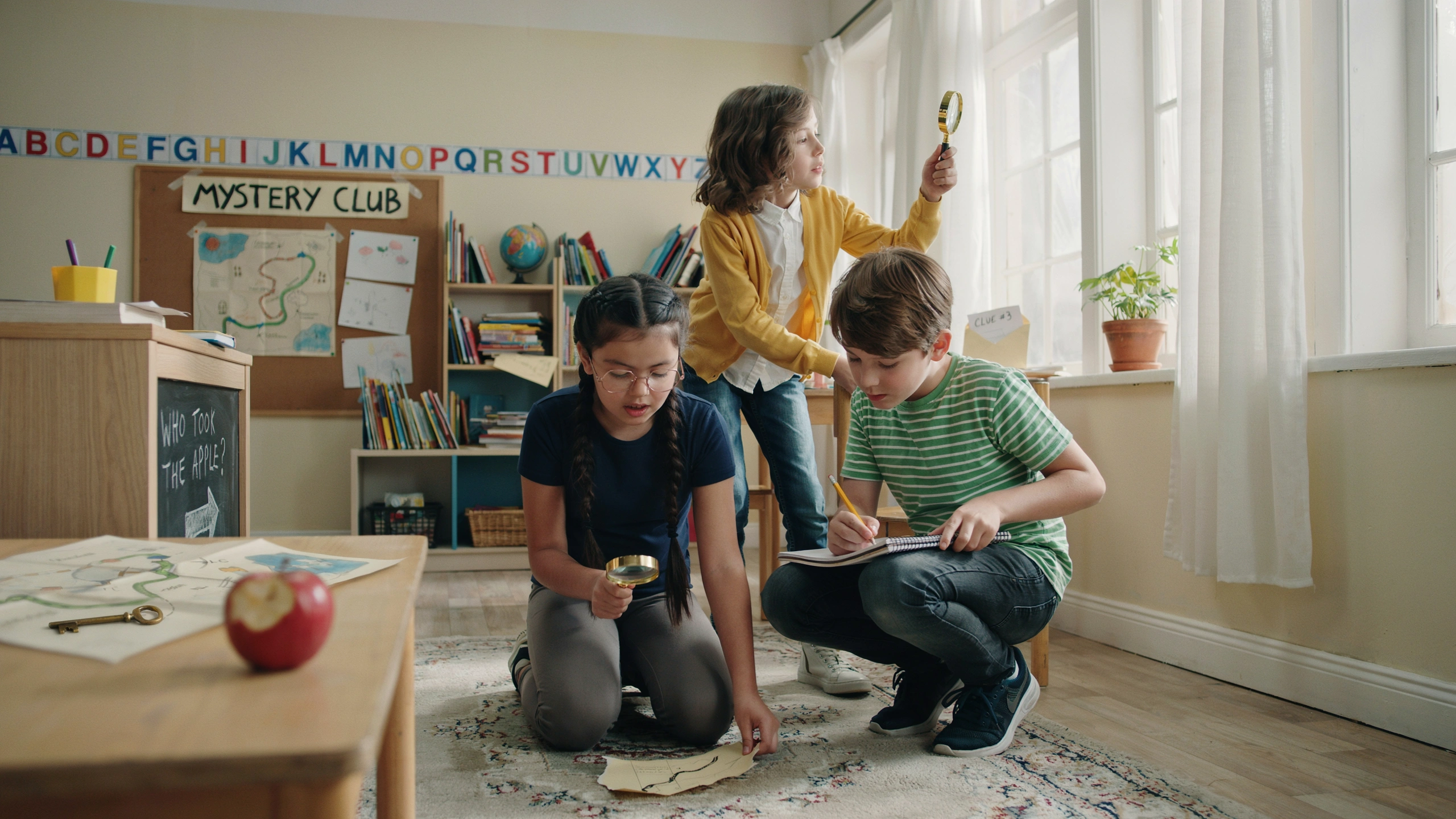
Children are naturally curious. They love asking questions, searching for clues, and discovering hidden answers. Mystery-solving activities take advantage of this curiosity by turning learning into an exciting adventure. Every puzzle, clue, and challenge encourages children to observe carefully, think logically, and work through problems step by step.
Whether you’re a parent, teacher, or homeschool educator, mystery games can make learning more engaging while helping children develop essential critical thinking and problem-solving skills. Here are some fun mystery-solving activities that inspire young detectives to think like real investigators.
Why Mystery Games Support Learning
Mystery-solving activities require children to gather evidence before making conclusions. Instead of guessing, they learn to:
- Observe details carefully
- Ask thoughtful questions
- Compare clues
- Test different ideas
- Draw logical conclusions
- Explain their reasoning
These habits improve both academic learning and everyday decision-making.
1. The Missing Cookie Mystery
Tell children that someone ate the last cookie before dinner. Give them several clues and ask them to identify the most likely “suspect.”
Example Clues:
- One person has chocolate on their fingers.
- Another was outside playing.
- A third person doesn’t like chocolate.
Children use the clues to solve the mystery.
Skills Developed:
- Deductive reasoning
- Observation
- Evidence-based thinking
- Communication
2. Hidden Object Detective
Hide a small object somewhere in the room and provide clues one at a time.
For example:
- It is near something blue.
- It is below a table.
- It is beside a book.
Each clue narrows the search area.
Skills Developed:
- Listening
- Logical thinking
- Observation
- Problem-solving
3. Secret Message Challenge
Write a short message using a simple code or symbol system.
Children must decode the message to uncover the next clue or solve the mystery.
Skills Developed:
- Pattern recognition
- Critical thinking
- Analytical reasoning
- Persistence
4. The Mystery Bag
Place a familiar object inside a bag without letting children see it.
They ask yes-or-no questions or feel the object to identify it.
Skills Developed:
- Deduction
- Vocabulary
- Sensory observation
- Logical reasoning
5. Picture Detective
Show a detailed illustration and ask questions about what children observe.
Examples:
- Who is holding an umbrella?
- Which animal is hiding?
- What looks unusual?
Encourage children to support their answers with evidence from the picture.
Skills Developed:
- Visual observation
- Attention to detail
- Critical thinking
- Memory
6. Mystery Story Investigation
Read a short mystery story but stop before revealing the ending.
Ask children:
- Who do you think solved the mystery?
- Which clues are the most important?
- What evidence supports your answer?
This encourages thoughtful analysis.
Skills Developed:
- Reading comprehension
- Inference
- Logical reasoning
- Communication
7. Follow the Clues Adventure
Create a clue trail around the house, classroom, or playground.
Each solved clue leads to another until children reach the final destination.
Skills Developed:
- Sequencing
- Teamwork
- Problem-solving
- Observation
8. Mystery Sound Game
Play or imitate everyday sounds without showing the source.
Examples include:
- A zipper opening
- Keys jingling
- Water pouring
- Paper tearing
Children identify each sound using careful listening.
Skills Developed:
- Auditory discrimination
- Focus
- Memory
- Reasoning
9. What Happened Here?
Describe a scene and ask children to explain what probably happened.
Example:
“There are muddy footprints by the door, an open umbrella, and a wet raincoat hanging on a hook.”
Children use the evidence to create a logical explanation.
Skills Developed:
- Cause-and-effect reasoning
- Deduction
- Creativity
- Observation
10. Build Your Own Mystery
Invite children to invent their own mystery for friends or family members to solve.
They can create clues, write a short story, or hide an object.
Designing a mystery requires planning and logical thinking.
Skills Developed:
- Creativity
- Organization
- Communication
- Critical thinking
Tips for Making Mystery Activities More Exciting
To keep children engaged:
- Start with simple mysteries before increasing difficulty.
- Give clues gradually instead of all at once.
- Encourage children to explain their thinking.
- Allow teamwork for larger groups.
- Celebrate good reasoning, even if the answer isn’t correct.
- Change themes regularly to keep activities fresh.
The goal is to make every mystery feel like an exciting adventure.
Benefits Beyond the Game
Regular mystery-solving activities help children develop lifelong skills, including:
- Better observation
- Stronger logical reasoning
- Improved communication
- Greater confidence
- Creative problem-solving
- Persistence
- Teamwork
These abilities support learning in reading, mathematics, science, and many real-life situations.
Conclusion
Mystery-solving activities combine curiosity, imagination, and logical thinking into unforgettable learning experiences. Every clue encourages children to ask questions, gather evidence, and think carefully before reaching a conclusion.
Whether they’re searching for hidden objects, decoding secret messages, or solving imaginary mysteries, children develop valuable critical thinking skills while having fun. By making mystery games a regular part of playtime or classroom activities, parents and teachers can inspire young minds to become confident, creative, and independent problem solvers.