
Every parent wants to help their child succeed in school and in life. While educational toys, books, and structured lessons all play an important role, one of the most powerful learning tools is often overlooked: everyday routines.
Simple daily activities—like getting dressed, setting the table, helping with household chores, or preparing for bedtime—offer valuable opportunities for children to develop skills they will use throughout their lives. These routines create a sense of security while encouraging independence, responsibility, and critical thinking.
Why Daily Routines Matter
Children thrive when they know what to expect. Predictable routines help them feel safe and confident, allowing their minds to focus on learning instead of uncertainty. Consistent daily habits also strengthen executive function skills, including memory, self-control, planning, and organization.
When children participate in routines instead of simply following instructions, they become active learners. They begin to understand sequences, recognize patterns, and make decisions on their own.
Morning Routines Encourage Independence
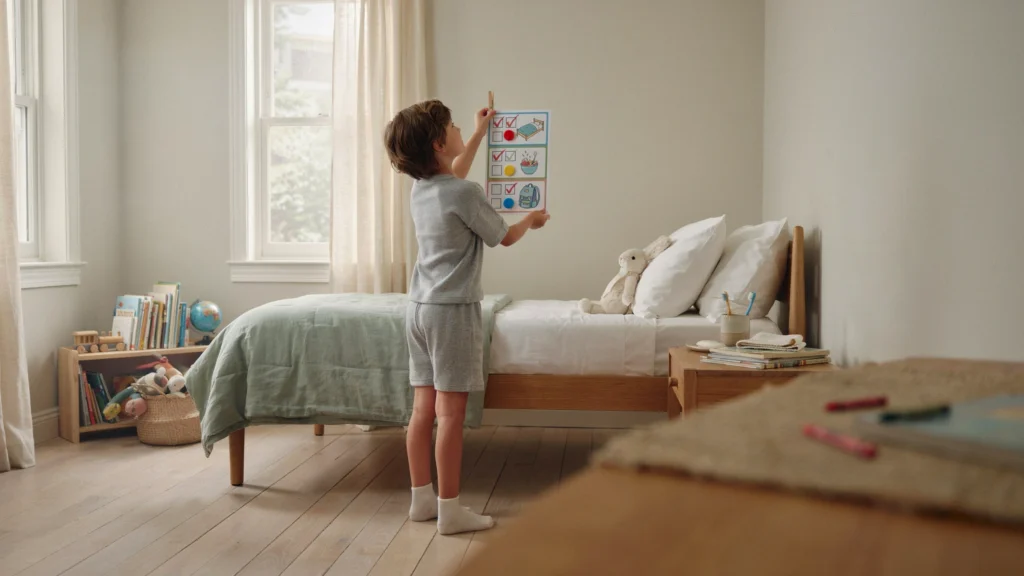
The morning is a perfect time for children to practice responsibility. Simple tasks such as making the bed, brushing teeth, choosing clothes, and packing a backpack teach organization and time management.
Parents can encourage independence by creating a visual checklist with pictures for younger children or written tasks for older ones. Instead of reminding children every step of the way, allow them to complete the checklist at their own pace.
These small responsibilities help children build confidence and prepare them for greater challenges later in life.
Household Chores Become Learning Opportunities
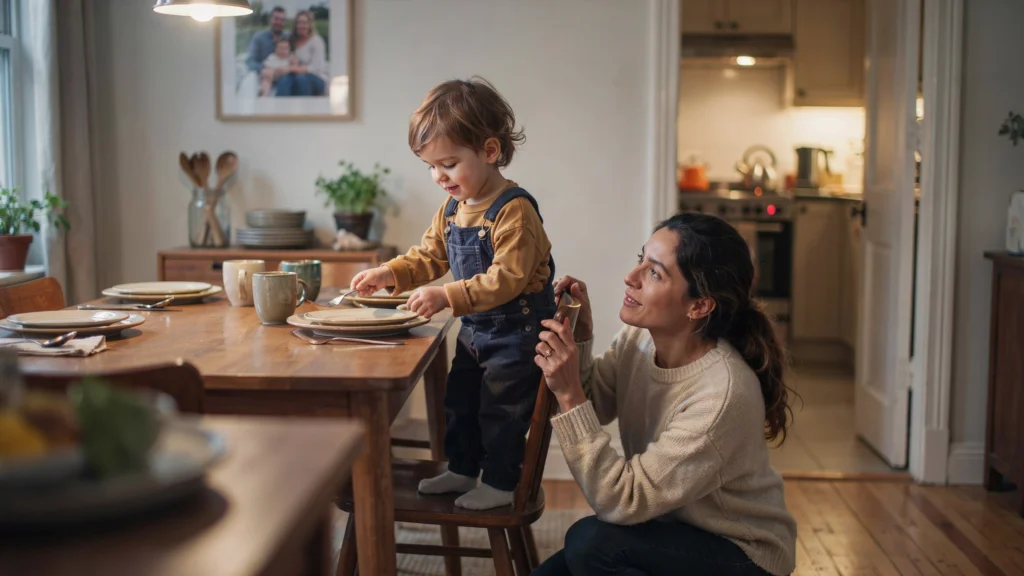
Many parents see chores as work, but children often see them as exciting ways to contribute. Everyday household tasks develop practical life skills while reinforcing academic concepts.
For example:
- Sorting laundry teaches colors, sizes, and categorization.
- Setting the table introduces counting and one-to-one correspondence.
- Measuring ingredients while cooking strengthens early math skills.
- Watering plants encourages observation and responsibility.
- Organizing toys develops classification and decision-making skills.
These activities naturally combine learning with real-life experiences.
Conversations Build Language Skills
Learning doesn’t only happen through books. Everyday conversations help children expand their vocabulary, improve listening skills, and express their thoughts clearly.
Ask open-ended questions throughout the day, such as:
- “What was the most interesting part of your day?”
- “How do you think we can solve this problem?”
- “What would happen if we tried something different?”
Questions like these encourage children to think critically rather than simply giving yes-or-no answers.
Grocery Shopping Becomes a Math Lesson
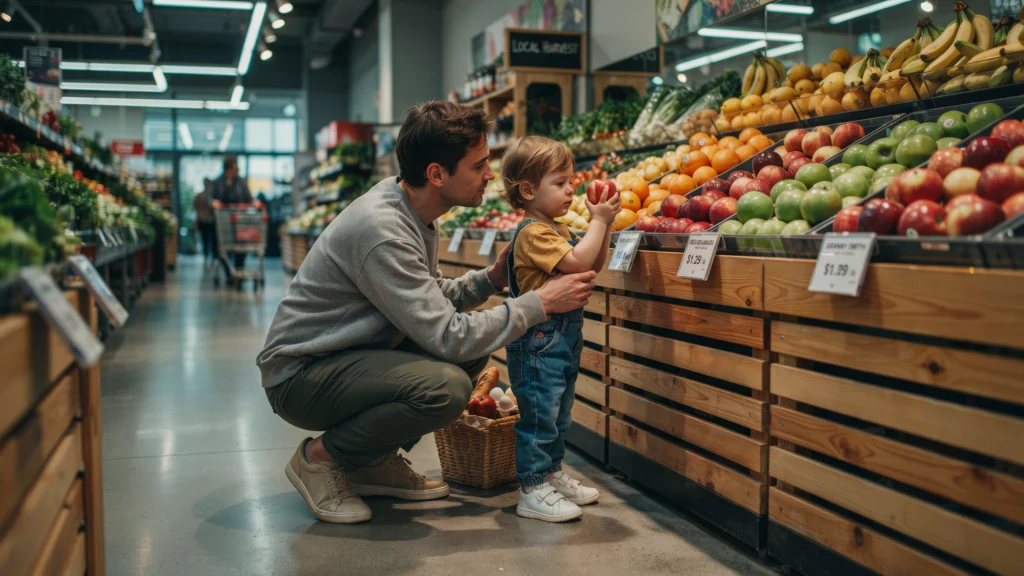
A simple trip to the grocery store offers countless educational moments.
Children can:
- Compare prices.
- Count fruits and vegetables.
- Estimate quantities.
- Read food labels.
- Identify colors and shapes.
- Practice budgeting with a small spending limit.
These real-world experiences make math meaningful and practical.
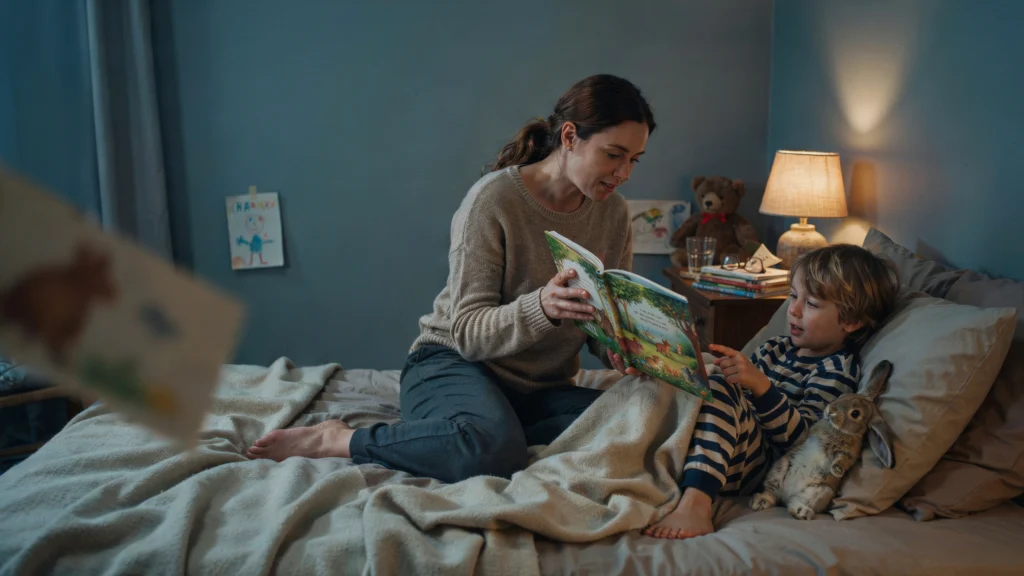
Bedtime Routines Support Emotional Growth
Evening routines are more than preparation for sleep. They provide valuable opportunities for reflection and emotional development.
Parents can ask children to share:
- One new thing they learned today.
- Something that made them happy.
- A challenge they overcame.
- One goal for tomorrow.
This habit strengthens communication, gratitude, emotional awareness, and memory.
Learning Through Mistakes
Daily routines naturally include small mistakes. A child may spill water while pouring a drink or forget to put away their shoes.
Instead of immediately correcting every mistake, encourage problem-solving by asking:
- “What do you think happened?”
- “How could we fix it?”
- “What can we try next time?”
These conversations teach resilience and help children understand that mistakes are valuable learning opportunities.
Creating Routines That Work
Successful routines don’t need to be complicated. Start with one or two consistent habits and gradually build from there.
Some helpful tips include:
- Keep routines simple and age-appropriate.
- Be consistent without expecting perfection.
- Offer praise for effort rather than results.
- Allow children to make choices whenever possible.
- Turn routine tasks into enjoyable family moments.
Children learn best when they feel supported rather than pressured.
The Lasting Impact of Everyday Learning
Education doesn’t begin when children enter a classroom, nor does it end when school is over. Every ordinary moment can become an opportunity to learn, grow, and develop important life skills.
By transforming everyday routines into meaningful learning experiences, parents help children become curious, capable, and confident learners. Over time, these small daily habits build the foundation for independence, resilience, creativity, and a lifelong love of learning.
The greatest lessons often happen in the simplest moments—one routine, one conversation, and one shared experience at a time.