Children are naturally curious. From the moment they begin to speak, they ask questions about everything they see, hear, and experience. “Why is the sky blue?” “How do birds fly?” “Where does the rain come from?” These endless questions are more than simple conversations—they are the foundation of lifelong learning.
Curiosity encourages children to explore the world, solve problems, and think independently. By nurturing their natural desire to ask questions, parents and caregivers can help children become confident learners who enjoy discovering new ideas.
Why Curiosity Matters
Curiosity is the driving force behind learning. When children are curious, they become active participants in their education rather than passive receivers of information.
Curious children are more likely to:
- Develop strong critical thinking skills.
- Build creativity and imagination.
- Improve problem-solving abilities.
- Stay motivated to learn.
- Become more confident when facing new challenges.
Instead of memorizing facts, they learn how to find answers and think deeply about the world around them.
Encourage Questions Every Day
One of the easiest ways to nurture curiosity is to welcome questions, even when you don’t know the answer.
Instead of saying, “I don’t know,” try saying:
- “That’s a great question!”
- “Let’s find out together.”
- “What do you think the answer might be?”
- “How could we discover that?”
This approach teaches children that learning is an exciting journey rather than a test with right or wrong answers.
Ask Open-Ended Questions
Parents can inspire curiosity by asking questions that encourage children to think beyond simple facts.
For example:
- “Why do you think that happened?”
- “What would you do differently?”
- “How could we solve this problem?”
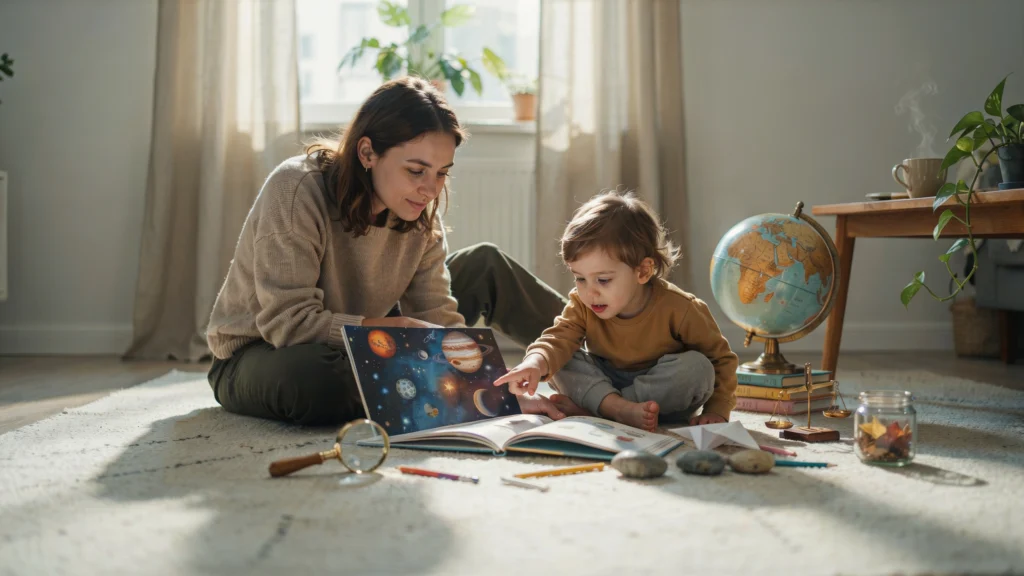
- “What do you notice about this picture?”
- “What might happen next?”
These conversations help children organize their thoughts and develop reasoning skills.
Turn Everyday Moments into Discoveries
Learning opportunities are everywhere.
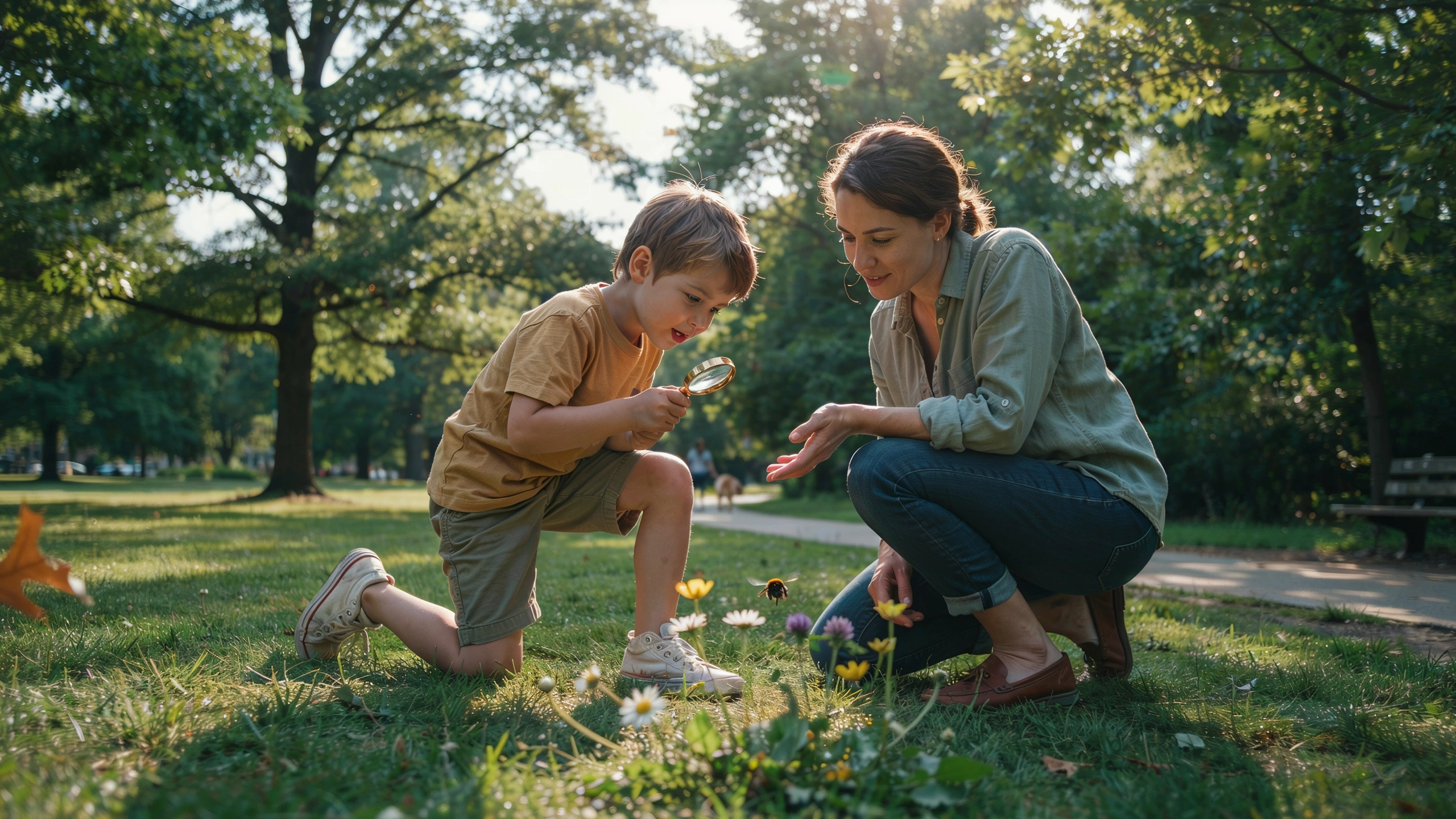
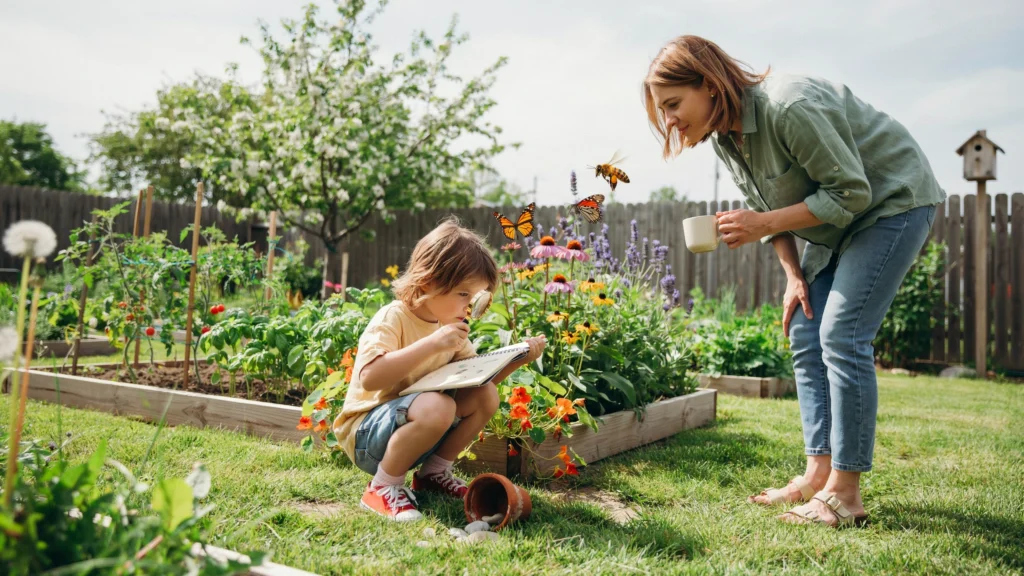
During a walk outside, encourage your child to notice:
- Different types of leaves.
- Animal tracks.
- Cloud shapes.
- Insects and birds.
- Changes in the weather.
At home, invite children to observe how plants grow, how ice melts, or how ingredients change while cooking.
Small discoveries often spark the biggest questions.
Let Children Explore Their Interests
Every child has unique interests. Some love dinosaurs, while others enjoy space, music, insects, art, or machines.
Support these interests by providing:
- Library books.
- Educational documentaries.
- Museum visits.
- Science kits.
- Creative building materials.
- Nature exploration.
When children explore topics they truly enjoy, learning becomes both meaningful and memorable.
Don’t Rush to Give Every Answer
It can be tempting to answer every question immediately, but allowing children time to think encourages deeper learning.
If your child asks:
“Why do stars twinkle?”
You might respond:
“What do you think causes that?”
After listening to their ideas, explore the answer together using books, experiments, or reliable educational resources.
This process helps children develop research skills and confidence in their own thinking.
Celebrate Mistakes and New Ideas
Curiosity grows in environments where children feel safe to experiment.
Sometimes their predictions will be wrong—and that’s perfectly okay.
Mistakes help children:
- Test ideas.
- Improve understanding.
- Build resilience.
- Learn persistence.
Praise effort and curiosity rather than focusing only on correct answers.
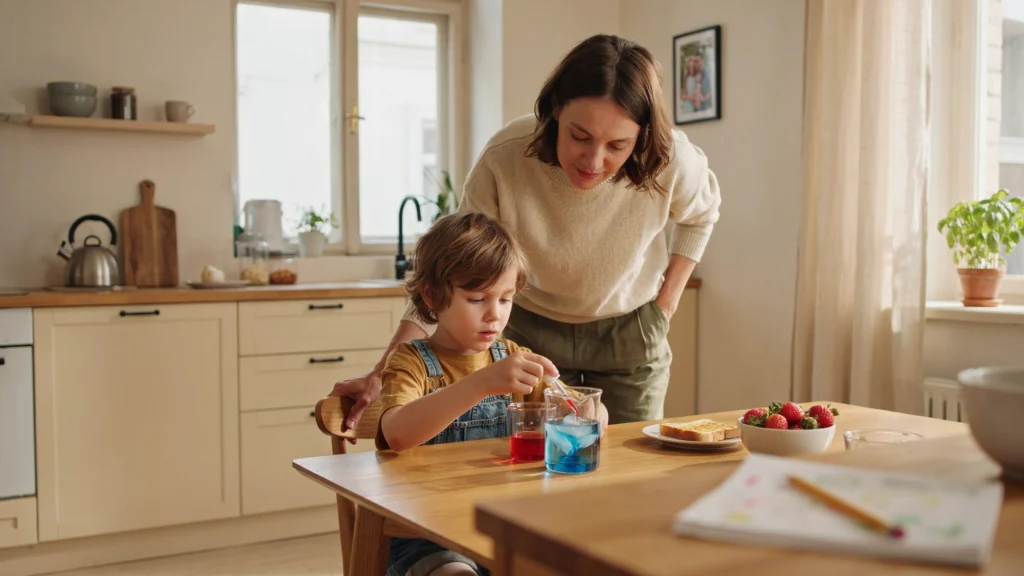
Create a Curiosity-Friendly Home
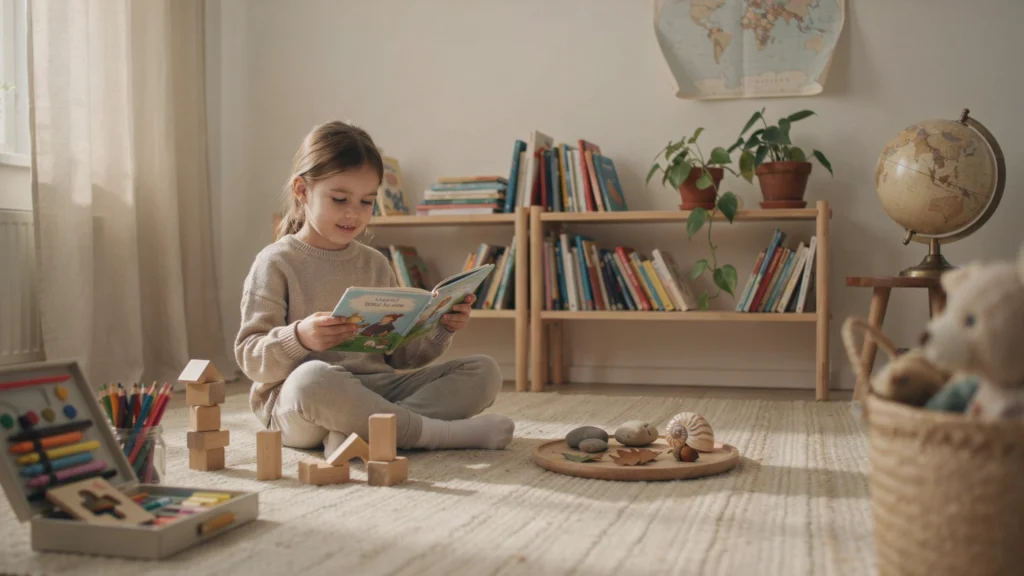
A home that encourages exploration doesn’t need expensive educational materials.
Simple ideas include:
- Keep books within easy reach.
- Provide paper, pencils, and art supplies.
- Display maps, globes, or nature collections.
- Leave building blocks or puzzles available.
- Spend time exploring outdoors.
- Encourage family discussions during meals.
The goal is to make learning feel like a natural part of everyday life.
Be Curious Yourself
Children often copy what adults do.
Share your own curiosity by saying things like:
- “I’ve always wondered how that works.”
- “Let’s learn something new today.”
- “I don’t know the answer either.”
When children see adults enjoying learning, they begin to view curiosity as a lifelong habit rather than something that only happens at school.
A Lifetime of Questions
The smartest learners are not those who know every answer—they are the ones who continue asking thoughtful questions.
By encouraging curiosity from an early age, parents help children develop confidence, creativity, and a genuine love of learning. Every question opens a new door to discovery, and every discovery inspires even more questions.
The greatest gift we can give children is not a collection of answers, but the confidence to keep asking, exploring, and learning throughout their lives.