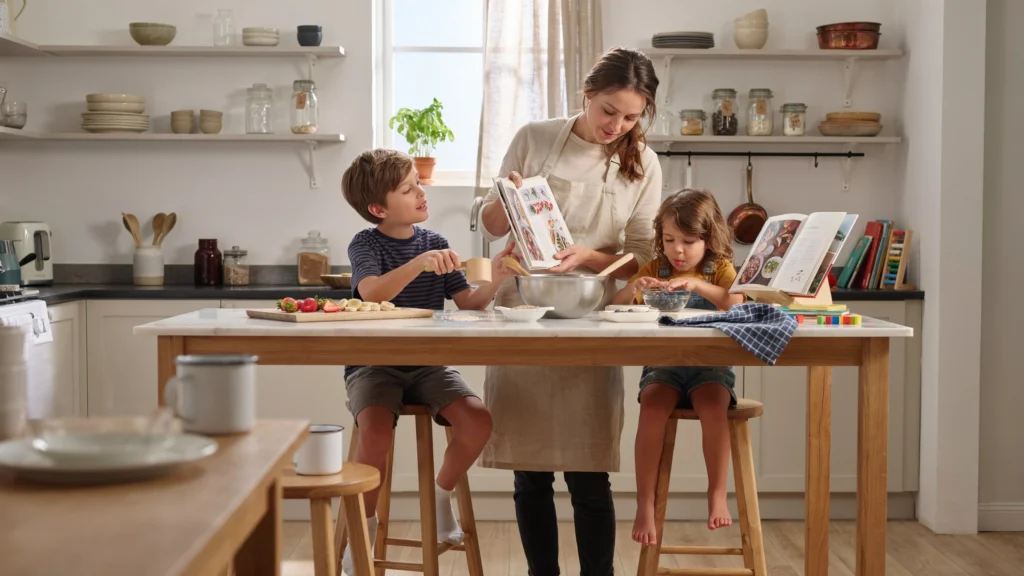
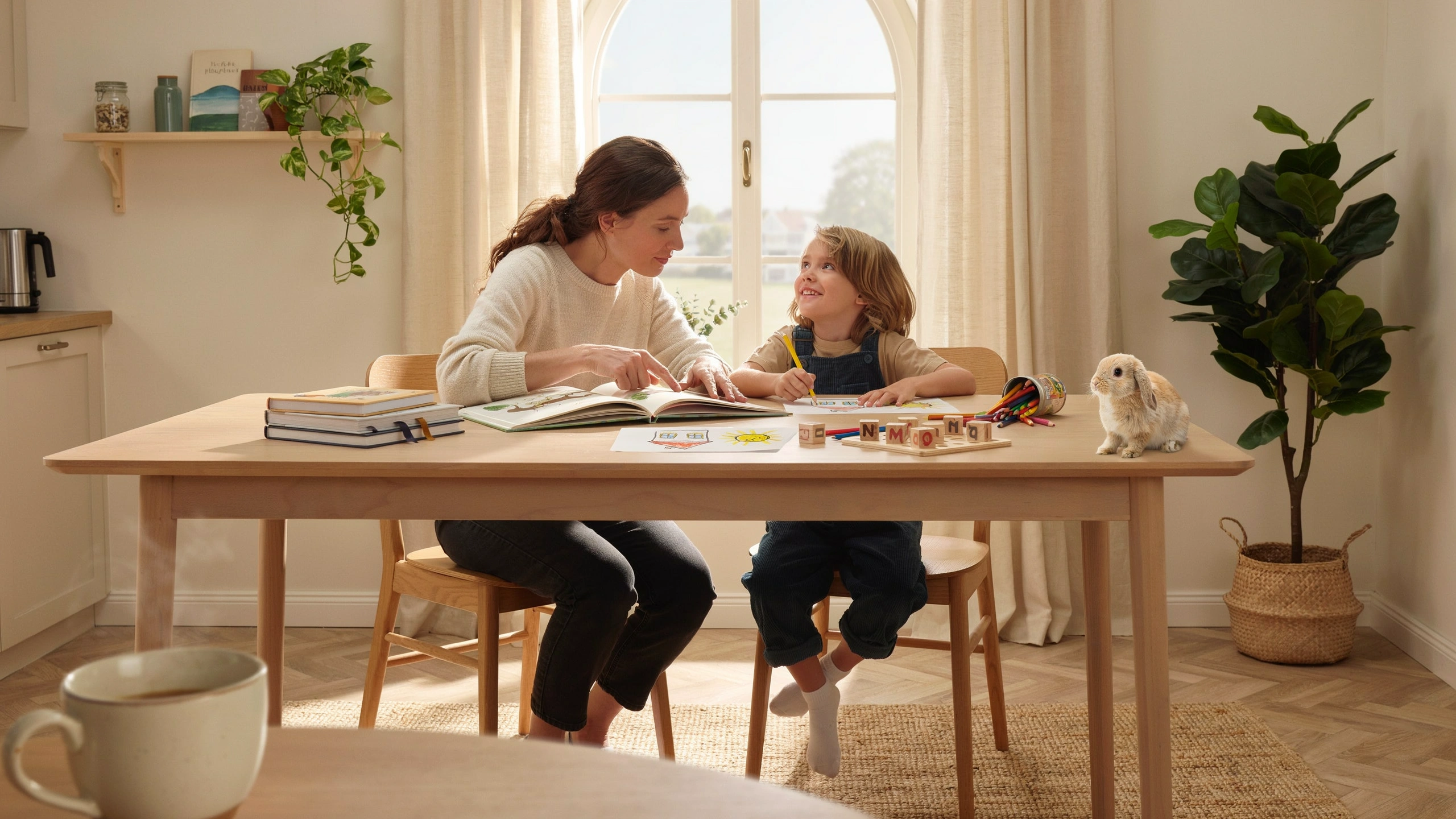
A child’s home is their first and most important learning environment. Long before children enter a classroom, they begin developing curiosity, communication skills, and a love of discovery through everyday experiences with their families. Creating a positive learning environment at home does not require expensive educational materials or strict schedules. Instead, it involves fostering a space where children feel safe, supported, and encouraged to explore.
When learning is associated with curiosity rather than pressure, children become more confident, motivated, and eager to discover new ideas. Parents play a key role in shaping this lifelong attitude toward education.
Why the Home Environment Matters
Children learn best when they feel emotionally secure. A calm and encouraging atmosphere allows them to take risks, ask questions, and learn from mistakes without fear of criticism.
A positive learning environment helps children:
- Build confidence.
- Stay motivated.
- Develop curiosity.
- Improve concentration.
- Strengthen independence.
- Enjoy learning as a lifelong process.
The goal is to make learning a natural part of everyday life rather than something limited to school.
Create a Comfortable Learning Space
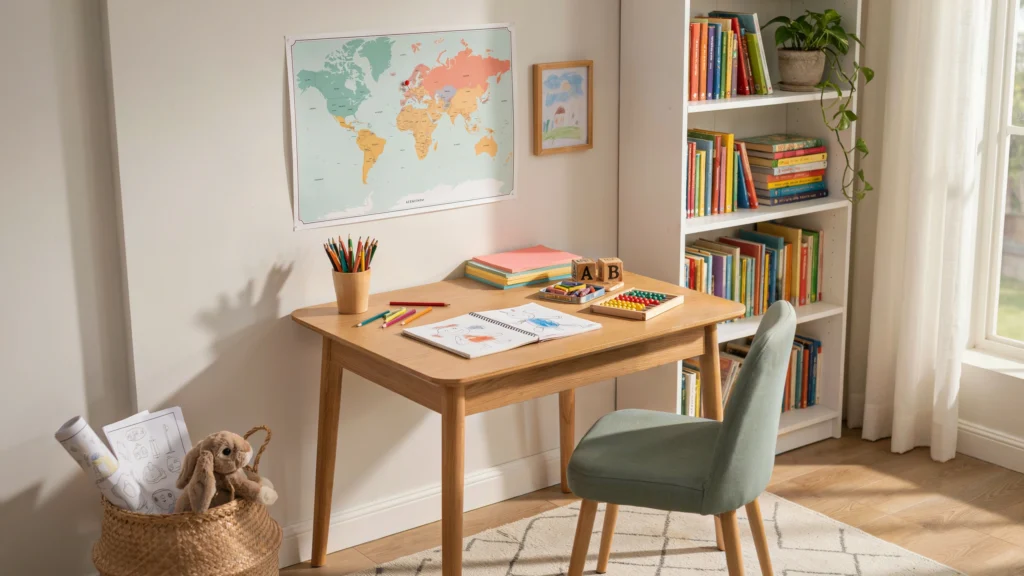
Children benefit from having a dedicated area where they can read, draw, write, or complete projects.
The space does not need to be large or elaborate. It should simply be:
- Quiet.
- Well-lit.
- Organized.
- Comfortable.
- Free from unnecessary distractions.
Keeping books, paper, pencils, and creative materials within easy reach encourages children to learn independently.
Encourage Questions
Curious children become active learners.
When your child asks questions, respond with enthusiasm rather than rushing to provide every answer.
You might say:
- “That’s an interesting question.”
- “Let’s find out together.”
- “What do you think?”
- “How could we discover the answer?”
These conversations teach children that asking questions is an important part of learning.
Celebrate Effort Instead of Perfection
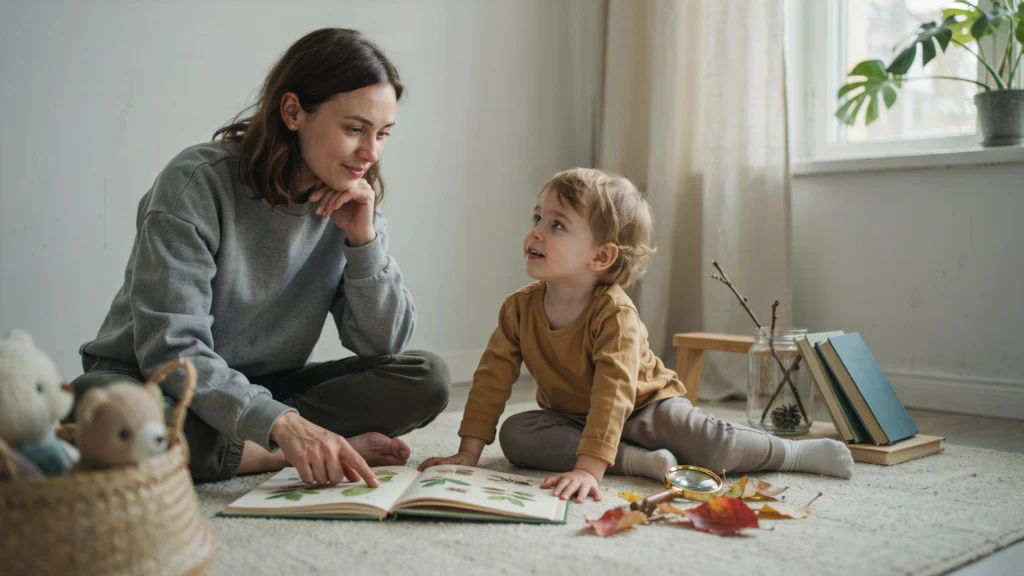
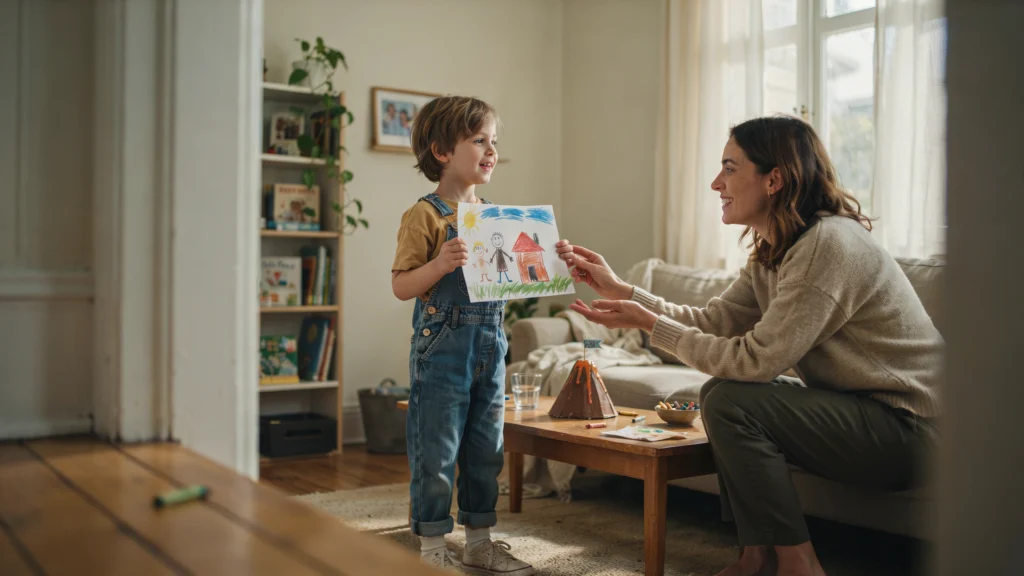
Children gain confidence when adults recognize their effort, persistence, and improvement.
Instead of focusing only on perfect results, praise comments such as:
- “You worked very hard.”
- “I like how you kept trying.”
- “You solved that problem creatively.”
- “You learned something new today.”
This approach encourages a growth mindset and reduces the fear of making mistakes.
Make Reading Part of Daily Life
Books open the door to imagination and knowledge.
Create daily opportunities to read together by:
- Sharing bedtime stories.
- Visiting the library.
- Reading recipes while cooking.
- Exploring magazines or nature guides.
- Keeping books in different rooms of the house.
Even ten to fifteen minutes of reading each day can make a lasting difference.
Support Independent Learning
Allow children to make choices about their learning.
They might choose:
- Which book to read.
- Which science experiment to try.
- What art project to create.
- Which hobby to explore.
Giving children ownership of their learning builds motivation and responsibility.
Reduce Unnecessary Pressure
Every child develops at a different pace.
Avoid comparing your child with siblings, classmates, or friends.
Instead:
- Focus on personal progress.
- Celebrate small achievements.
- Encourage learning without fear of failure.
- Allow time for rest and play.
A supportive environment helps children enjoy learning rather than feeling anxious about performance.
Learn Together as a Family
Children are inspired when they see adults enjoying learning.
You can:
- Read books together.
- Visit museums.
- Watch educational documentaries.
- Explore nature.
- Build creative projects.
- Learn a new skill as a family.
These shared experiences demonstrate that learning continues throughout life.
Balance Learning and Play
Play remains one of the most effective ways for children to learn.
A healthy home environment includes time for:
- Reading.
- Creative activities.
- Outdoor exploration.
- Board games.
- Music.
- Free play.
- Family conversations.
Balancing structured learning with enjoyable experiences keeps children motivated and engaged.
Building a Lifelong Love of Learning
Creating a positive learning environment at home is not about achieving perfect grades or following strict routines. It is about nurturing curiosity, confidence, and a willingness to explore the world with enthusiasm.
By offering encouragement, respecting each child’s unique pace, and making learning an enjoyable part of everyday life, parents help children develop habits that will benefit them for years to come. A home filled with books, conversations, creativity, and kindness becomes a place where learning feels exciting rather than stressful.
The greatest gift parents can give is not simply knowledge, but the confidence to keep asking questions, exploring new ideas, and believing that learning is an adventure that lasts a lifetime.