
Introduction
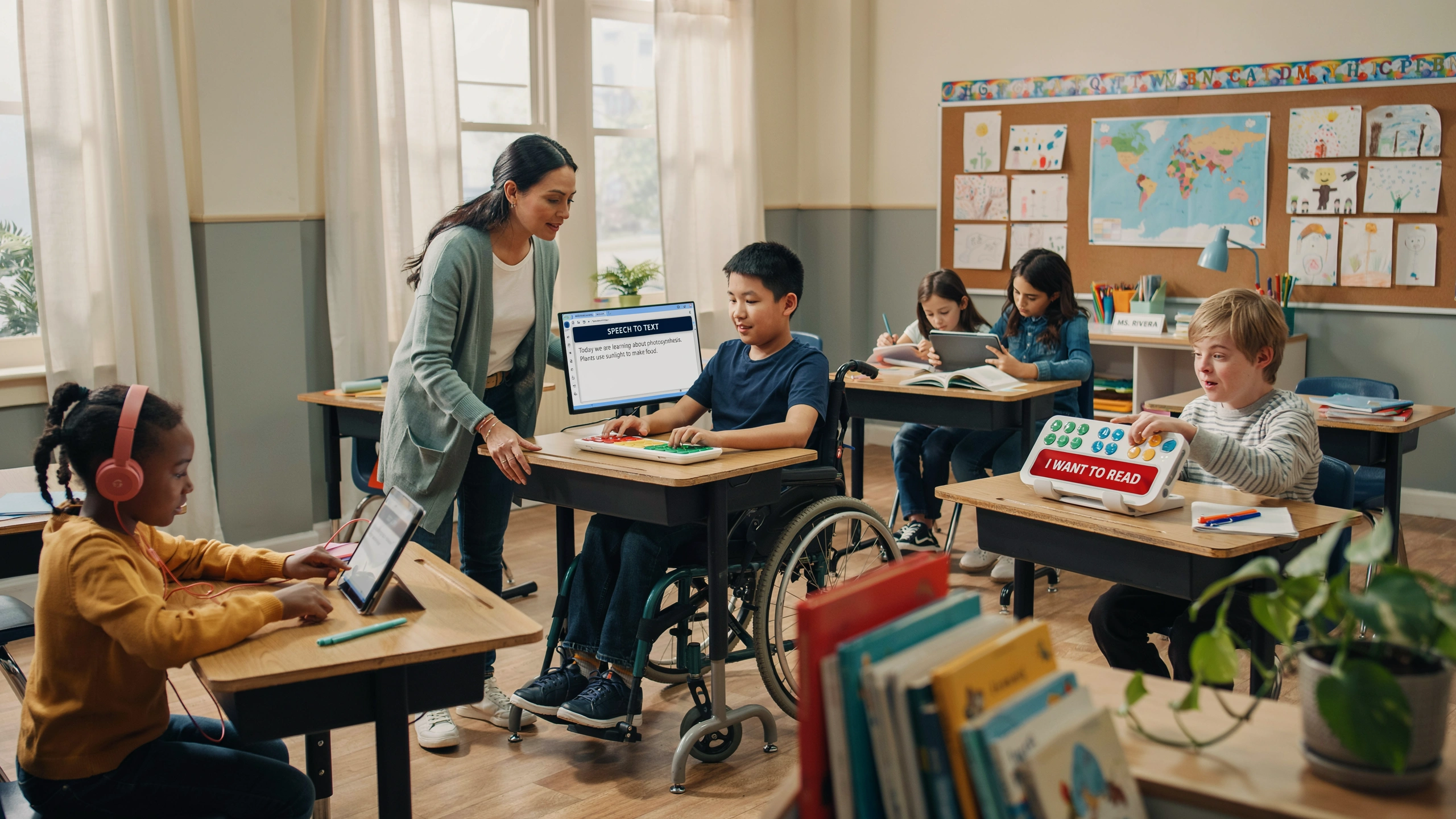
Technology has transformed education by creating new opportunities for teaching and learning. One of its most significant contributions is the development of assistive technology, which helps students overcome barriers that may limit their participation in the classroom. Assistive technology enables learners with diverse abilities to access educational materials, communicate effectively, complete assignments, and participate alongside their peers.
Inclusive education is built on the principle that every student deserves equal opportunities to learn. Assistive technology supports this goal by providing tools that accommodate individual needs without lowering academic expectations. When used effectively, these technologies empower students to become more independent, confident, and successful learners.
What Is Assistive Technology?
Assistive technology refers to any device, software, equipment, or system that helps individuals with disabilities or learning challenges perform tasks that might otherwise be difficult or impossible.
Assistive technology ranges from simple tools to advanced digital solutions.
Examples include:
- Text-to-speech software
- Speech-to-text applications
- Screen readers
- Audiobooks
- Magnification tools
- Alternative keyboards
- Captioned videos
- Communication devices
- Digital organizers
- Adaptive mice and touchscreens
These tools support students with a wide variety of learning needs.
Why Assistive Technology Matters
Every student learns differently. Some learners may struggle with reading, writing, communication, vision, hearing, mobility, or attention. Assistive technology helps reduce these barriers and provides students with greater access to education.
Benefits include:
- Increased independence.
- Improved participation.
- Greater confidence.
- Better academic performance.
- Enhanced communication.
- Equal access to learning opportunities.
Importantly, many assistive technologies also benefit students without disabilities, making classrooms more inclusive for everyone.
1. Supporting Students with Reading Difficulties
Students with dyslexia or other reading challenges often benefit from technology that makes written text more accessible.
Helpful tools include:
- Text-to-speech software
- Audiobooks
- Digital reading platforms
- Adjustable font sizes
- Reading guides
- Screen highlighting features
These technologies allow students to focus on understanding content rather than struggling to decode words.
2. Helping Students with Writing Challenges
Writing can be difficult for students with learning disabilities or physical impairments.
Assistive tools include:
- Speech-to-text software
- Word prediction programs
- Spell-check applications
- Grammar support tools
- Digital note-taking apps
- Alternative keyboards
These resources help students express their ideas more effectively.
3. Improving Communication
Some students experience difficulties with verbal communication.
Augmentative and Alternative Communication (AAC) tools include:
- Picture communication boards
- Voice output devices
- Communication apps
- Symbol-based software
- Eye-tracking communication systems
These technologies enable students to participate actively in classroom discussions and social interactions.
4. Supporting Students with Visual Impairments
Technology provides many ways to make learning materials accessible.
Examples include:
- Screen readers
- Braille displays
- Magnification software
- High-contrast display settings
- Optical character recognition (OCR) tools
- Audio descriptions
These tools allow students with visual impairments to access the same educational content as their peers.
5. Assisting Students with Hearing Impairments
Students who are deaf or hard of hearing benefit from technologies that improve access to spoken information.
Examples include:
- Closed captions
- Live transcription software
- Hearing assistance systems
- Visual alert systems
- Captioned educational videos
- Speech-to-text applications
These supports promote equal participation during lessons and classroom discussions.
6. Enhancing Organization and Executive Function
Some students need assistance with planning, organization, and time management.
Useful technologies include:
- Digital calendars
- Reminder applications
- Task management tools
- Visual schedules
- Electronic planners
- Timers
These tools help students stay organized and manage their learning more independently.
7. Increasing Engagement Through Interactive Learning
Technology can make learning more engaging and accessible for all students.
Interactive resources include:
- Educational apps
- Digital simulations
- Interactive whiteboards
- Online quizzes
- Gamified learning platforms
- Virtual reality experiences
Interactive learning encourages participation and accommodates different learning preferences.
The Teacher’s Role in Using Assistive Technology
Technology is most effective when combined with thoughtful teaching.
Teachers should:
- Select tools that match students’ needs.
- Provide instruction on how to use the technology.
- Integrate technology naturally into classroom activities.
- Monitor student progress.
- Encourage independence rather than dependence.
- Collaborate with families and specialists.
Teacher guidance ensures that assistive technology supports meaningful learning.
Challenges in Implementation
Schools may face several challenges when introducing assistive technology.
Common challenges include:
- Limited funding.
- Lack of teacher training.
- Unequal access to devices.
- Technical difficulties.
- Resistance to change.
Professional development and ongoing technical support can help overcome these barriers.
Benefits Beyond Academics
Assistive technology contributes to students’ overall development by promoting:
- Self-confidence.
- Independence.
- Communication skills.
- Problem-solving.
- Digital literacy.
- Social participation.
- Lifelong learning.
Students gain valuable skills that prepare them for higher education, employment, and everyday life.
The Future of Assistive Technology
Advances in artificial intelligence, wearable devices, and adaptive software continue to expand the possibilities for inclusive education.
Emerging technologies include:
- AI-powered reading assistants.
- Real-time language translation tools.
- Personalized learning platforms.
- Voice-controlled educational software.
- Smart accessibility features.
- Adaptive learning systems.
These innovations promise to make education even more accessible and personalized in the years ahead.
Conclusion
Assistive technology is transforming inclusive education by removing barriers and creating opportunities for every student to participate fully in learning. From reading and writing support to communication tools and adaptive devices, these technologies empower learners to achieve their academic goals while developing independence and confidence.
However, technology alone is not enough. Its success depends on skilled educators who understand how to integrate these tools into inclusive teaching practices. When combined with thoughtful instruction, collaboration, and a commitment to equity, assistive technology helps create classrooms where every student can learn, contribute, and thrive. In an inclusive educational system, technology is not simply an aid—it is a bridge that connects every learner to opportunity and success.