
Introduction
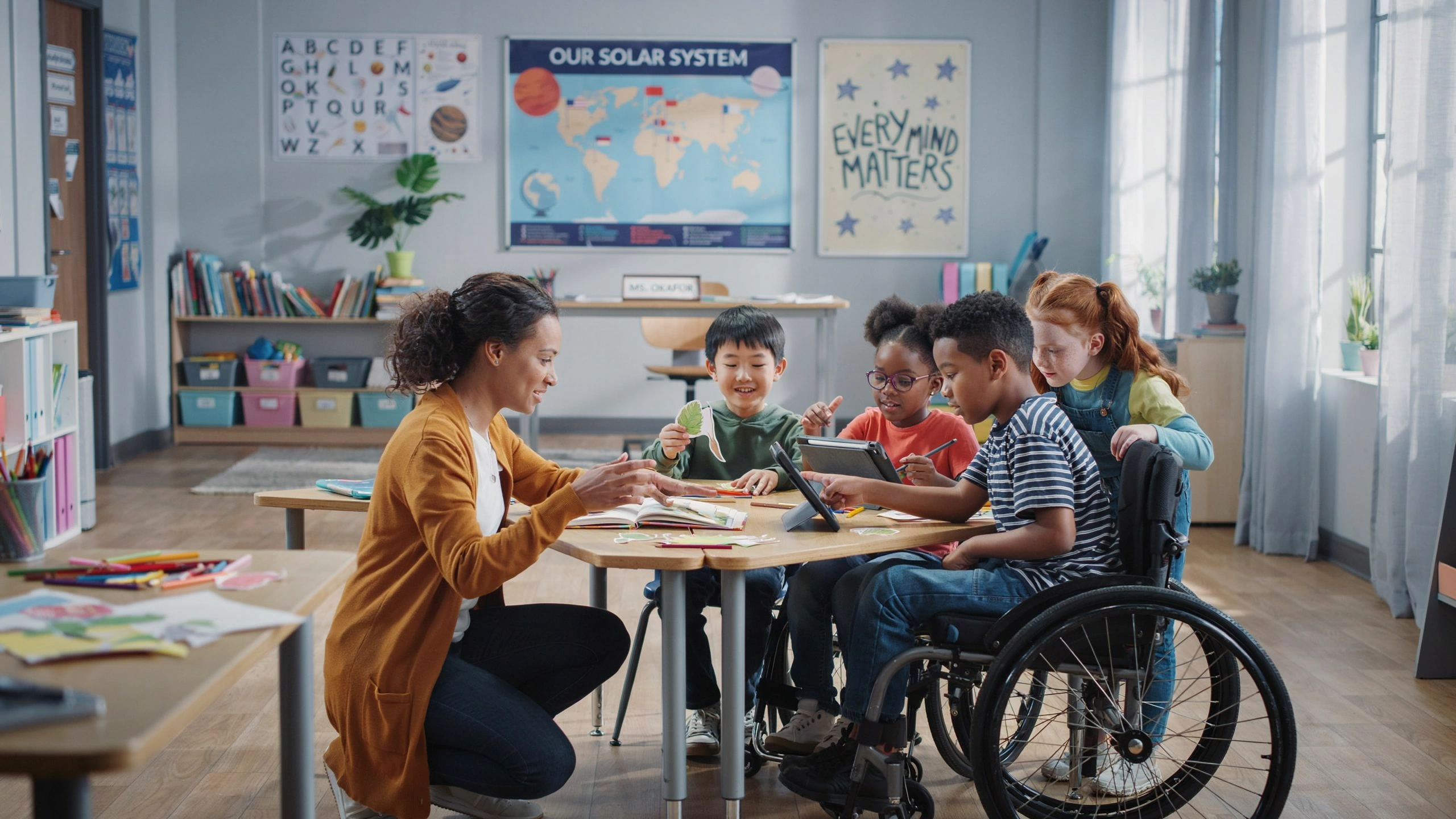
Every student deserves the opportunity to learn, participate, and succeed in a classroom where they feel valued and respected. Inclusive education is more than placing students with diverse abilities in the same classroom—it is about creating an environment where every learner has equal access to meaningful educational experiences. An inclusive classroom recognizes that students have different backgrounds, abilities, learning styles, and interests, and it adapts teaching methods to meet these diverse needs.
By embracing inclusion, teachers help students develop academic skills while fostering empathy, cooperation, and respect for diversity. The following practical strategies can help educators create truly inclusive learning environments where all students can thrive.
Understanding Inclusion
Inclusion means ensuring that every student, regardless of ability, language, culture, socioeconomic background, or learning differences, can actively participate in classroom activities. Rather than expecting students to fit into a single teaching approach, inclusive education encourages teachers to adapt instruction to accommodate diverse learners.
An inclusive classroom benefits not only students with disabilities but every learner by promoting collaboration, creativity, and mutual respect.
1. Create a Welcoming Classroom Environment
Students learn best when they feel safe and accepted. Teachers can foster a welcoming atmosphere by:
- Greeting every student by name.
- Displaying diverse books, posters, and learning materials.
- Celebrating different cultures and traditions.
- Establishing clear expectations for kindness and respect.
- Encouraging students to appreciate each other’s unique strengths.
A positive classroom culture lays the foundation for successful inclusion.
2. Differentiate Instruction
Not all students learn in the same way. Effective teachers provide multiple ways for students to engage with lessons.
Examples include:
- Visual presentations
- Hands-on activities
- Group discussions
- Educational games
- Videos and multimedia
- Independent research projects
Offering different learning pathways allows students to demonstrate understanding using their strengths.
3. Use Flexible Grouping
Instead of assigning permanent ability groups, teachers can organize students into flexible groups that change according to the activity.
Students may work:
- In pairs
- Small cooperative groups
- Mixed-ability teams
- Individual learning stations
Flexible grouping encourages collaboration and prevents students from being labeled by ability.
4. Encourage Peer Support
Peer learning promotes both academic growth and social inclusion.
Teachers can:
- Pair students for reading activities.
- Create peer mentoring programs.
- Organize cooperative learning projects.
- Encourage classmates to help one another solve problems.
These interactions build friendships and improve communication skills.
5. Adapt Learning Materials
Small adjustments can make lessons accessible to more students.
Examples include:
- Simplified reading passages
- Large-print materials
- Graphic organizers
- Audio recordings
- Illustrated instructions
- Captioned videos
Providing multiple formats ensures that students can access information in ways that suit their needs.
6. Use Formative Assessment
Rather than relying only on final exams, teachers should regularly monitor student understanding.
Useful assessment methods include:
- Exit tickets
- Classroom discussions
- Observation
- Quizzes
- Student self-assessments
- Learning journals
Frequent feedback allows teachers to adjust instruction before students fall behind.
7. Integrate Assistive Technology
Technology has become an important tool for inclusion.
Examples include:
- Text-to-speech software
- Speech-to-text applications
- Audiobooks
- Closed captions
- Digital graphic organizers
- Interactive learning apps
These tools help many students participate more independently.
8. Build Strong Relationships with Families
Parents and caregivers know their children best.
Teachers should:
- Maintain regular communication.
- Share both successes and concerns.
- Invite families to participate in school activities.
- Respect cultural differences.
- Collaborate on learning goals.
Partnerships between home and school strengthen student success.
9. Promote Social-Emotional Learning
Inclusive classrooms focus on emotional development as well as academics.
Teachers can teach:
- Empathy
- Active listening
- Conflict resolution
- Emotional regulation
- Teamwork
- Respect for diversity
These life skills improve classroom relationships and reduce bullying.
10. Reflect and Continue Learning
Inclusive teaching is an ongoing process.
Teachers should regularly ask themselves:
- Are all students participating?
- Does every student feel valued?
- Are my lessons accessible?
- What barriers still exist?
- How can I improve my teaching?
Professional development, collaboration with colleagues, and continuous reflection help teachers become more effective inclusive educators.
Benefits of Inclusive Classrooms
Effective inclusion offers advantages for everyone.
Students develop:
- Higher academic achievement
- Stronger communication skills
- Greater confidence
- Increased empathy
- Better problem-solving abilities
- Improved teamwork skills
- Greater appreciation for diversity
Teachers also benefit by expanding their instructional skills and creating more engaging learning experiences.
Conclusion
Creating an inclusive classroom does not require completely redesigning every lesson. Instead, it involves making thoughtful adjustments that recognize and value student diversity. By building welcoming environments, differentiating instruction, encouraging collaboration, adapting materials, using technology, and partnering with families, teachers can ensure that every student has the opportunity to succeed.
Inclusive education is not simply a teaching strategy—it is a commitment to equity, respect, and the belief that every learner belongs. When inclusion becomes part of everyday classroom practice, schools become places where all students are empowered to learn, grow, and reach their full potential.