
Introduction
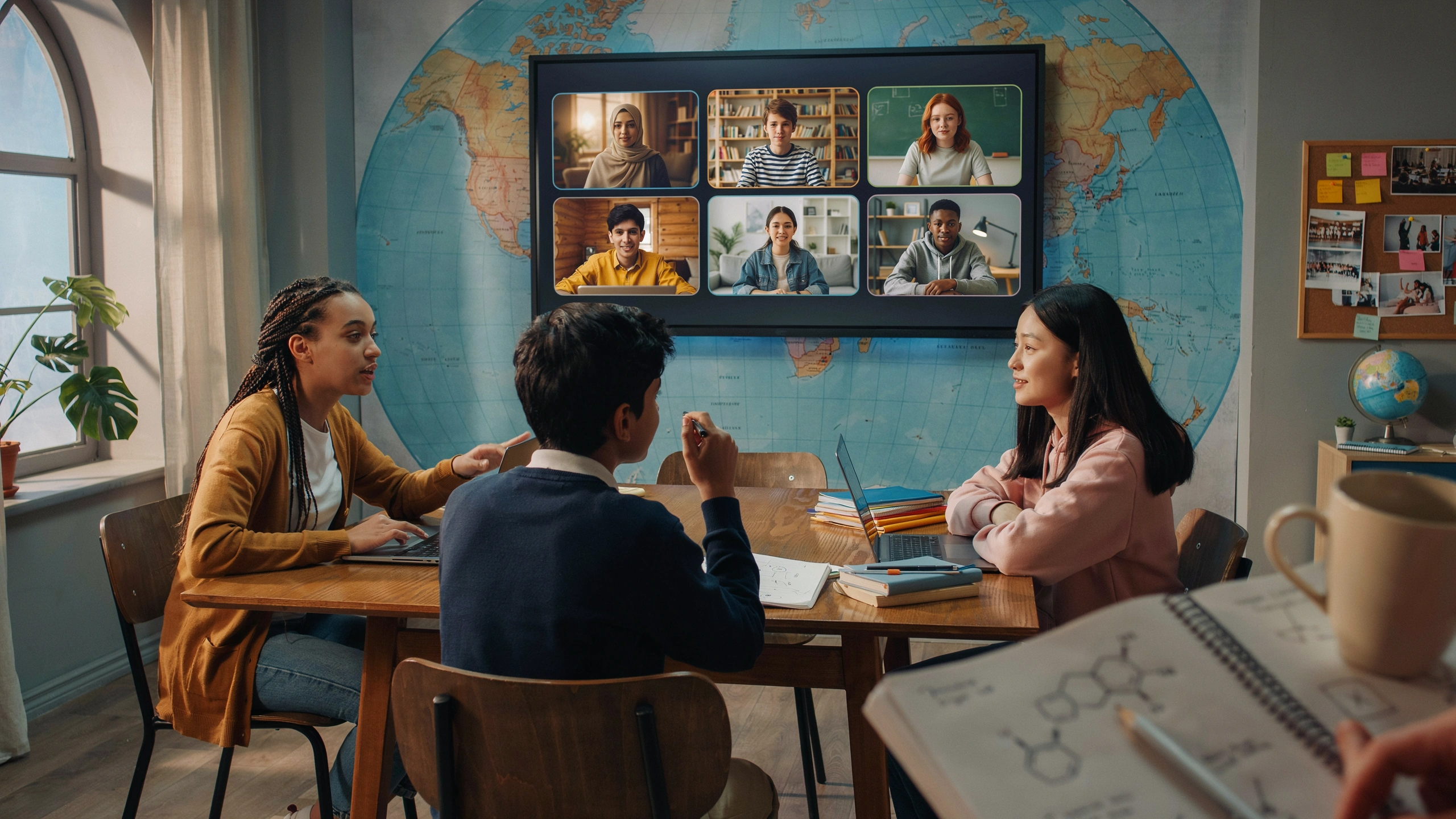
Technology has transformed education by removing geographical barriers and connecting students from every corner of the world. Today, classrooms are no longer limited by physical walls. Through online collaboration, students can communicate with peers from different countries, work on international projects, and develop a deeper understanding of global cultures and perspectives.
The concept of the global classroom is becoming one of the most exciting trends in education. By using digital communication tools, schools can create learning experiences that prepare students to thrive in an interconnected world. Global collaboration not only enriches academic learning but also fosters cultural awareness, teamwork, and the skills needed for success in the twenty-first century.
What Is a Global Classroom?
A global classroom is a learning environment in which students from different countries or regions collaborate through digital technologies. Instead of learning only from local teachers and classmates, students engage with peers, educators, and experts from around the world.
Global classroom activities may include:
- International group projects.
- Virtual cultural exchanges.
- Online debates and discussions.
- Collaborative scientific research.
- Joint presentations.
- Language exchange programs.
- Global problem-solving challenges.
These experiences expose students to diverse viewpoints while strengthening academic and interpersonal skills.
Why Global Collaboration Matters
Today’s students will live and work in an increasingly interconnected world. Many careers require communication with colleagues, clients, and organizations across different countries and cultures.
Online collaboration helps students develop:
- Cross-cultural communication.
- Global awareness.
- Respect for diversity.
- Teamwork skills.
- Digital communication abilities.
- Adaptability and open-mindedness.
These competencies are becoming just as important as traditional academic knowledge.
Building Cultural Understanding
One of the greatest benefits of global classrooms is the opportunity to learn directly from people with different cultural backgrounds.
Students can:
- Share traditions and customs.
- Discuss local celebrations and holidays.
- Compare educational systems.
- Explore different perspectives on global issues.
- Learn about languages and cultural values.
These interactions reduce stereotypes and encourage empathy, curiosity, and mutual respect.
Enhancing Language Learning
Global collaboration creates authentic opportunities for language practice.
Students learning a foreign language can communicate with native speakers through:
- Video conferences.
- Online chats.
- Collaborative writing projects.
- Virtual interviews.
- Cultural exchange activities.
Using language in real conversations improves fluency, confidence, pronunciation, and intercultural communication skills.
Collaborative Problem-Solving
Many global challenges require international cooperation.
Teachers can organize collaborative projects where students from different countries work together to explore topics such as:
- Climate change.
- Sustainable development.
- Public health.
- Renewable energy.
- Water conservation.
- Global citizenship.
- Artificial Intelligence ethics.
Working with international peers encourages students to consider multiple perspectives when solving complex problems.
The Role of Technology
Technology makes global classrooms possible through a variety of digital tools.
Schools commonly use:
- Video conferencing platforms.
- Learning Management Systems (LMS).
- Cloud-based collaboration tools.
- Shared digital documents.
- Interactive whiteboards.
- Educational discussion forums.
- Translation software.
- Artificial Intelligence communication tools.
These technologies allow students to collaborate regardless of time zones or geographical distance.
The Teacher’s Role
Teachers play a vital role in organizing successful international learning experiences.
Their responsibilities include:
- Designing meaningful collaborative projects.
- Coordinating with partner schools.
- Facilitating respectful communication.
- Encouraging equal participation.
- Guiding cultural discussions.
- Monitoring student progress.
- Helping students reflect on their experiences.
Teachers ensure that global collaboration supports curriculum goals while promoting positive international relationships.
Challenges of Global Classrooms
Although global collaboration offers tremendous opportunities, schools may encounter several challenges.
Time Zone Differences
Scheduling live meetings between students in different countries can be difficult.
Language Barriers
Students with different language abilities may require translation tools or additional communication support.
Technology Access
Reliable internet access and digital devices are essential for successful online collaboration.
Cultural Differences
Teachers should prepare students to communicate respectfully and appreciate different customs, beliefs, and perspectives.
Thoughtful planning helps transform these challenges into valuable learning opportunities.
The Future of Global Classrooms
As technology continues to evolve, international collaboration will become even more accessible and immersive.
Future developments may include:
- AI-powered real-time language translation.
- Virtual Reality international classrooms.
- Global STEM innovation competitions.
- International service-learning projects.
- Cross-border entrepreneurship programs.
- Worldwide collaborative research initiatives.
These innovations will further strengthen connections between students across continents.
Benefits Beyond the Classroom
Global collaboration prepares students for life beyond school by helping them develop essential skills such as:
- Leadership.
- Communication.
- Collaboration.
- Critical thinking.
- Digital literacy.
- Adaptability.
- Cultural intelligence.
- Global citizenship.
These abilities are highly valued by universities, employers, and international organizations.
Conclusion
The expansion of global classrooms through online collaboration is redefining education for the modern world. By connecting students across cultures and continents, schools create meaningful learning experiences that extend far beyond traditional textbooks.
Through international partnerships, collaborative projects, and digital communication, students develop the academic, social, and cultural competencies needed to succeed in an increasingly interconnected society.
As technology continues to eliminate geographical barriers, global classrooms will play an increasingly important role in preparing future generations to work together, solve shared challenges, and contribute positively to a more connected and cooperative world.