
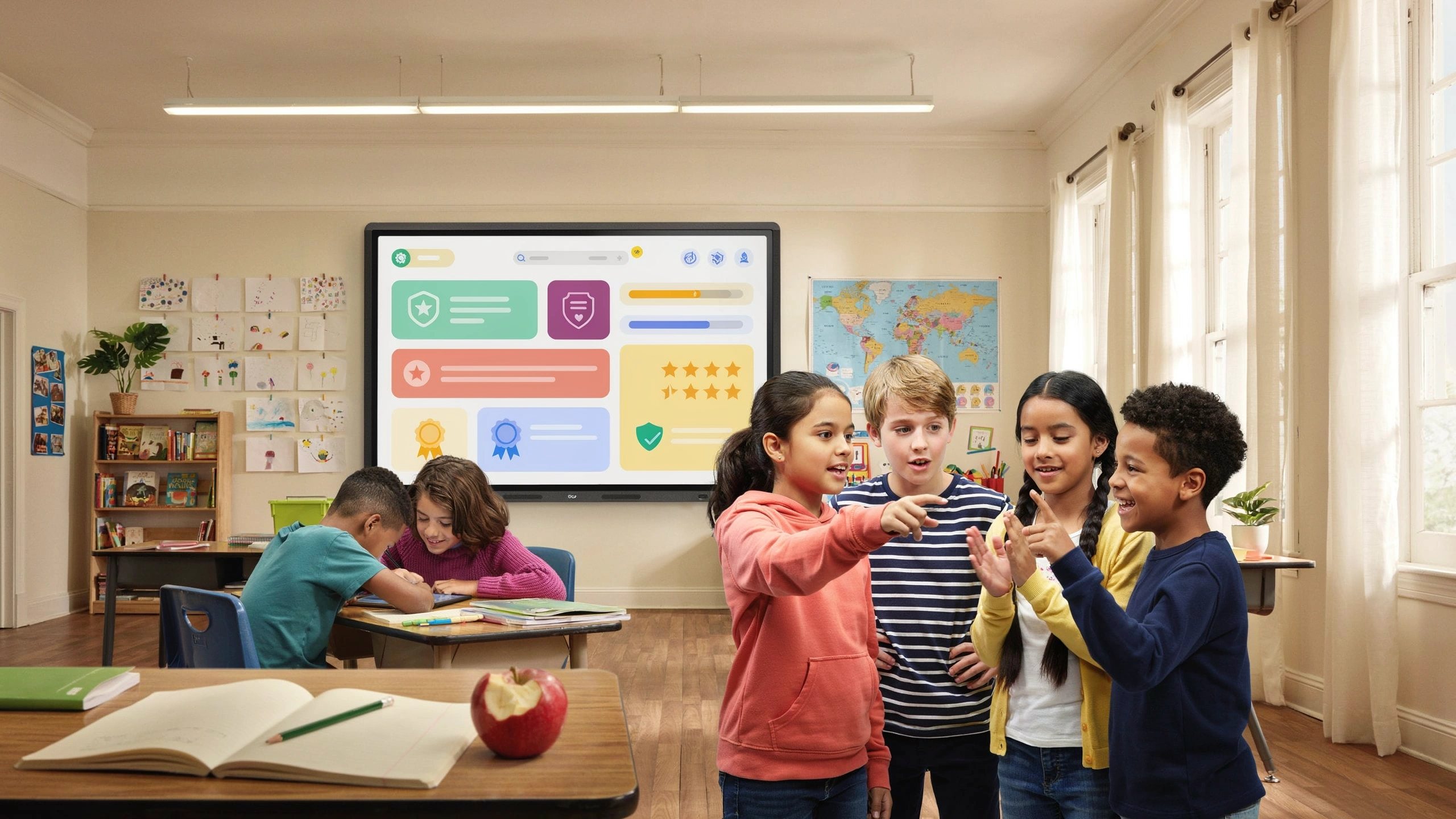
Education has always evolved to meet the changing needs of society. Today, one of the most exciting innovations in teaching and learning is gamification. By incorporating game elements into educational activities, educators can increase student motivation, improve engagement, and enhance learning outcomes.
Gamification is more than simply playing games in the classroom. It involves applying game design principles—such as points, badges, leaderboards, challenges, and rewards—to educational experiences. When implemented thoughtfully, gamification transforms learning into an interactive journey that encourages curiosity, perseverance, and achievement.
What Is Gamification in Education?
Gamification is the process of integrating game mechanics into non-game environments, such as schools, universities, and online learning platforms. The goal is to make learning more engaging while encouraging students to actively participate in lessons.
Unlike educational games, which are games specifically designed for learning, gamification enhances existing educational activities by adding motivational features.
Common gamification elements include:
- Points for completing assignments
- Badges for achieving milestones
- Leaderboards that encourage healthy competition
- Progress bars that visualize learning achievements
- Daily or weekly learning challenges
- Virtual rewards and certificates
- Unlockable levels and achievements
These features make learning feel more rewarding and enjoyable.
Why Gamification Works
Games naturally motivate people because they provide clear goals, immediate feedback, and a sense of accomplishment. Gamification brings these same motivational factors into education.
Students are often more willing to complete assignments when they receive instant recognition for their efforts. Instead of viewing learning as a series of mandatory tasks, they begin to see it as a rewarding challenge.
Gamification also encourages students to learn from mistakes. In many games, failure is simply another opportunity to try again. This mindset helps learners become more resilient and persistent when facing academic challenges.
Increasing Student Motivation
One of the biggest challenges teachers face is maintaining student motivation throughout the school year.
Gamification helps by providing short-term goals alongside long-term learning objectives. Every completed lesson, quiz, or project contributes to visible progress, giving students a constant sense of achievement.
Motivated students are more likely to:
- Participate in classroom discussions.
- Complete homework on time.
- Practice difficult skills.
- Collaborate with classmates.
- Develop a positive attitude toward learning.
When students enjoy learning, they often become lifelong learners.
Improving Student Engagement
Traditional lectures can sometimes lead to passive learning, where students simply listen without actively participating.
Gamified learning encourages interaction through:
- Classroom quizzes
- Team competitions
- Educational escape rooms
- Digital learning games
- Interactive simulations
- Collaborative missions
These activities require students to think critically, solve problems, and apply their knowledge rather than simply memorize information.
Higher engagement often leads to better understanding and stronger academic performance.
Encouraging Healthy Competition
Competition can be a powerful motivator when managed appropriately.
Leaderboards, challenges, and classroom tournaments encourage students to improve their performance while celebrating effort and progress.
However, successful gamification focuses on personal growth rather than simply outperforming others. Many teachers use individual progress tracking so every student can experience success regardless of their starting level.
Collaborative competitions, where teams work together toward common goals, also promote communication and cooperation.
Supporting Different Learning Styles
Every classroom contains students who learn differently.
Gamification accommodates various learning preferences by combining:
- Visual learning through graphics and animations
- Auditory learning through sounds and narration
- Kinesthetic learning through interactive activities
- Reading and writing through quizzes and challenges
This variety helps maintain interest while reaching a broader range of learners.
Immediate Feedback Enhances Learning
One major advantage of gamified education is instant feedback.
Instead of waiting several days for graded assignments, students immediately learn whether their answers are correct.
Immediate feedback helps students:
- Correct misunderstandings quickly.
- Build confidence.
- Stay motivated.
- Monitor their own progress.
- Improve problem-solving skills.
This continuous feedback loop supports deeper learning.
Developing Essential Life Skills
Gamification teaches much more than academic content.
Well-designed activities help students develop important life skills, including:
- Critical thinking
- Creativity
- Collaboration
- Communication
- Decision-making
- Leadership
- Time management
- Perseverance
Many modern workplaces value these transferable skills as highly as technical knowledge.
Technology and Gamified Learning
Educational technology has greatly expanded the possibilities of gamification.
Many digital platforms now include game-based learning features such as:
- Interactive quizzes
- Digital badges
- Learning streaks
- Personalized achievements
- Virtual classrooms
- Adaptive challenges
Popular educational platforms combine artificial intelligence with gamification to personalize learning experiences while keeping students motivated.
Mobile devices have also made gamified learning accessible anytime and anywhere.
Gamification Across Different Subjects
Gamification can be successfully applied across nearly every academic discipline.
Mathematics
Students earn points for solving equations, completing problem-solving missions, or mastering multiplication tables.
Science
Virtual experiments, simulations, and discovery challenges encourage scientific thinking and exploration.
Language Learning
Vocabulary games, pronunciation challenges, and reading quests make language acquisition more enjoyable.
History
Students can complete historical missions, role-play important events, or unlock historical achievements by mastering key concepts.
Geography
Interactive maps, exploration challenges, and global quizzes help students understand the world more effectively.
Challenges of Gamification
Although gamification offers many benefits, it should be implemented carefully.
Some potential challenges include:
Overemphasis on Rewards
Students should remain motivated by learning itself rather than focusing only on collecting points or prizes.
Unequal Competition
Some students may feel discouraged if leaderboards consistently favor the same high-performing learners.
Teachers can address this by rewarding improvement, teamwork, creativity, and persistence instead of only high scores.
Technology Access
Digital gamification requires reliable internet access and appropriate devices, which may not be available in every school.
Thoughtful Design
Poorly designed gamification may distract students from learning objectives. Educational goals should always remain the primary focus.
Best Practices for Teachers
Teachers can maximize the effectiveness of gamification by following several best practices:
- Align game elements with learning objectives.
- Reward effort as well as achievement.
- Encourage teamwork alongside competition.
- Provide meaningful feedback.
- Use a variety of activities to maintain interest.
- Celebrate progress for every student.
- Keep challenges appropriate for students’ skill levels.
Effective gamification supports learning rather than replacing sound teaching practices.
The Future of Gamification in Education
As educational technology continues to evolve, gamification will become even more sophisticated.
Future innovations may include:
- Artificial intelligence–driven personalized challenges
- Virtual reality educational adventures
- Augmented reality classroom activities
- Adaptive game-based assessments
- Immersive collaborative learning environments
These technologies will further blur the line between learning and interactive experiences, making education more engaging than ever before.
Conclusion
Gamification has become one of the most powerful strategies for increasing student motivation, engagement, and academic success. By incorporating game mechanics into education, teachers create learning environments where students actively participate, embrace challenges, and celebrate their progress.
Although successful implementation requires thoughtful planning, gamification offers tremendous opportunities to make education more enjoyable and effective. As schools continue to integrate digital technologies, gamification will remain an essential tool for preparing students to become curious, confident, and lifelong learners in an increasingly dynamic world.