
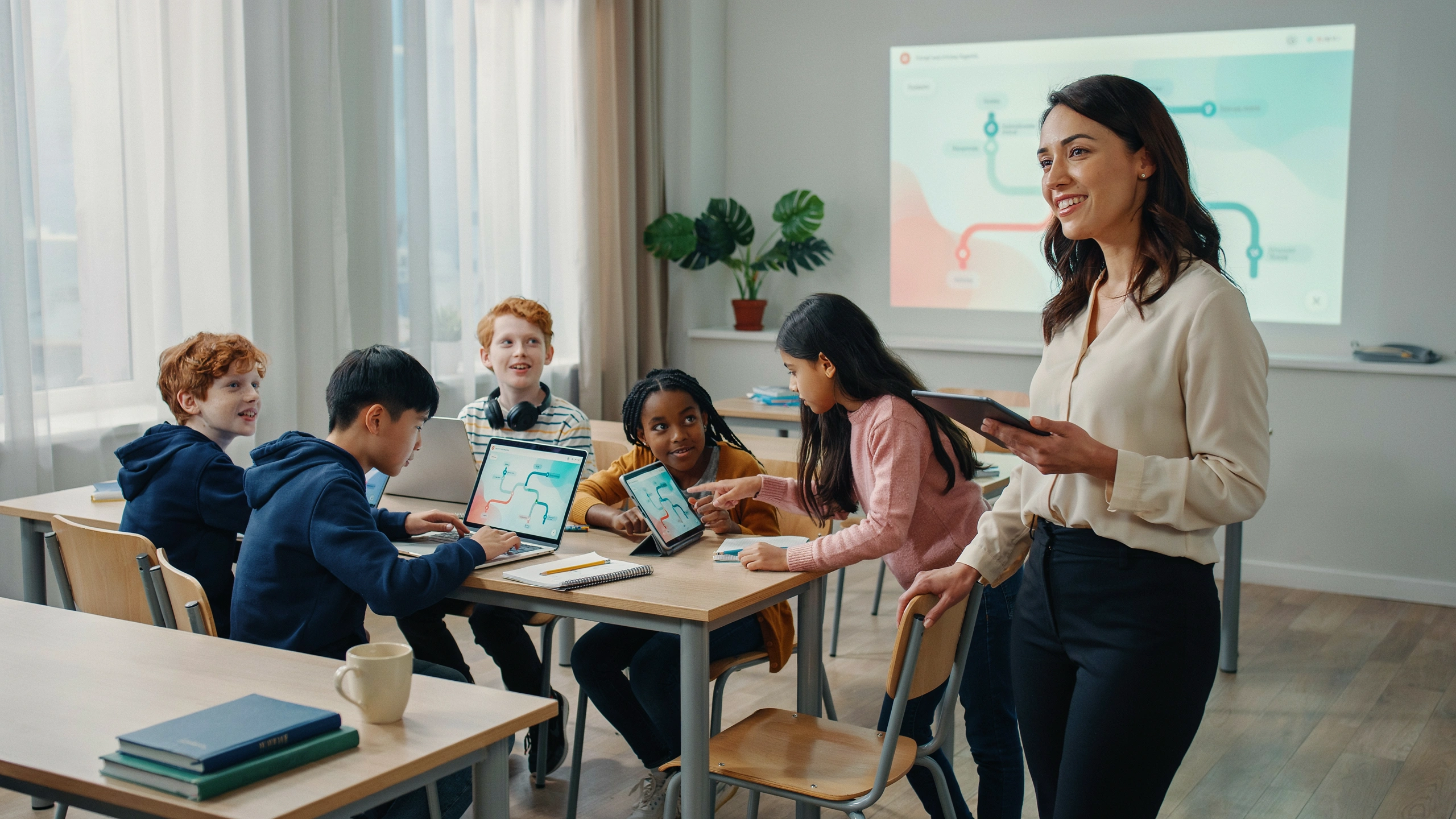
Education has evolved significantly over the past decade, driven by advances in technology that make learning more flexible, engaging, and personalized. Among these innovations, adaptive learning platforms have emerged as one of the most effective tools for improving student achievement. By using data analytics and artificial intelligence, these platforms adjust lessons, activities, and assessments to meet the individual needs of each learner.
Unlike traditional classrooms, where all students often follow the same pace and curriculum, adaptive learning recognizes that every student has unique strengths, challenges, and learning styles. This personalized approach helps students learn more effectively while giving teachers valuable insights into their progress.
What Are Adaptive Learning Platforms?
Adaptive learning platforms are digital educational systems that continuously analyze a student’s performance and modify learning content accordingly. They use algorithms to determine what a learner already understands, where they struggle, and what type of instruction is most effective.
Instead of presenting the same lesson to every student, adaptive systems create customized learning paths. Students who master a topic quickly can move on to more advanced material, while those who need extra support receive additional explanations, examples, and practice exercises.
Popular adaptive learning technologies are used in K–12 schools, universities, corporate training, and online education programs worldwide.
Personalized Learning Experiences
One of the greatest strengths of adaptive learning is personalization.
In a traditional classroom, teachers often have limited time to provide individualized instruction to every student. Adaptive learning platforms help bridge this gap by tailoring educational content to each learner’s needs.
For example, if a student struggles with algebra, the platform may:
- Provide simpler examples.
- Offer step-by-step explanations.
- Recommend instructional videos.
- Generate additional practice questions.
- Delay introducing more advanced concepts until mastery is achieved.
Students who understand the material quickly are challenged with more complex activities, preventing boredom and encouraging continuous growth.
Learning at an Individual Pace
Every student learns differently. Some require repeated practice, while others grasp new concepts almost immediately.
Adaptive learning platforms allow students to progress at their own pace without feeling pressured by classmates or limited by a fixed schedule.
This flexibility helps:
- Reduce learning anxiety.
- Increase confidence.
- Encourage independent learning.
- Improve long-term knowledge retention.
Students become active participants in their education rather than passive recipients of information.
Immediate Feedback Improves Learning
One major advantage of adaptive learning technology is instant feedback.
Instead of waiting several days for graded assignments, students receive immediate explanations after completing exercises. They can quickly identify mistakes, understand why an answer is incorrect, and correct misconceptions before they become long-term habits.
Research consistently shows that timely feedback significantly improves academic performance.
Better Student Engagement
Adaptive platforms often include interactive features that make learning more enjoyable.
These may include:
- Gamified lessons
- Progress badges
- Achievement levels
- Interactive quizzes
- Educational videos
- Simulations
- Virtual laboratories
These elements increase student motivation and encourage consistent participation throughout the learning process.
Supporting Diverse Learning Needs
Modern classrooms include students with varying abilities, backgrounds, and learning preferences.
Adaptive learning platforms help create more inclusive educational environments by providing customized support for:
- Students with learning disabilities.
- English language learners.
- Gifted students.
- Students returning after long absences.
- Learners who require additional practice.
Because instruction adapts automatically, students receive appropriate challenges without feeling overwhelmed or left behind.
Empowering Teachers
Adaptive learning is not designed to replace teachers. Instead, it provides educators with powerful tools that improve instruction.
Teachers receive detailed reports showing:
- Individual student progress.
- Areas of difficulty.
- Time spent on each activity.
- Mastery of learning objectives.
- Classroom performance trends.
This data allows teachers to make informed decisions, provide targeted interventions, and adjust lesson plans based on real evidence rather than assumptions.
Encouraging Independent Learning
Adaptive platforms encourage students to take responsibility for their education.
By allowing learners to monitor their own progress, set goals, and review completed lessons, these systems promote self-directed learning.
Students gradually develop important lifelong skills such as:
- Time management.
- Goal setting.
- Self-assessment.
- Problem-solving.
- Critical thinking.
These skills remain valuable far beyond the classroom.
Improving Academic Performance
Numerous schools and universities have reported positive results after implementing adaptive learning systems.
Benefits often include:
- Higher test scores.
- Better course completion rates.
- Improved comprehension.
- Increased student confidence.
- Lower dropout rates.
- More efficient use of classroom time.
Although outcomes depend on implementation, adaptive learning has consistently demonstrated its potential to improve educational success.
Challenges of Adaptive Learning
Despite its many advantages, adaptive learning also presents several challenges.
Access to Technology
Not all students have reliable internet access or personal digital devices. Schools must work to reduce this digital divide so every learner can benefit.
Teacher Training
Educators need professional development to integrate adaptive learning effectively into their teaching practices.
Data Privacy
Because adaptive systems collect student data, schools must ensure that information is stored securely and used responsibly.
Cost
Some adaptive learning platforms require subscriptions, software licenses, or additional infrastructure, which may be difficult for schools with limited budgets.
Best Practices for Successful Implementation
Schools can maximize the benefits of adaptive learning by following several best practices:
- Combine technology with high-quality classroom instruction.
- Train teachers regularly.
- Monitor student progress consistently.
- Encourage collaboration alongside independent learning.
- Choose platforms that align with curriculum standards.
- Protect student privacy and data security.
When implemented thoughtfully, adaptive learning becomes a valuable complement to traditional teaching rather than a replacement.
The Future of Adaptive Learning
As artificial intelligence continues to advance, adaptive learning platforms will become even more sophisticated.
Future systems may offer:
- More accurate personalized recommendations.
- Voice-based tutoring.
- Real-time language translation.
- Emotion recognition to detect frustration or confusion.
- Virtual reality learning experiences.
- Predictive analytics that identify learning challenges before they become serious.
These innovations promise to make education increasingly personalized, accessible, and effective.
Conclusion
Adaptive learning platforms are transforming education by recognizing that every student learns differently. Through personalized instruction, instant feedback, flexible pacing, and data-driven insights, these technologies help learners reach their full potential while supporting teachers in delivering more effective instruction.
Although challenges such as technology access, teacher training, and data privacy remain, the benefits of adaptive learning continue to grow. As schools embrace digital innovation, adaptive learning platforms will play an increasingly important role in creating classrooms where every student has the opportunity to succeed, regardless of their starting point or learning style.