
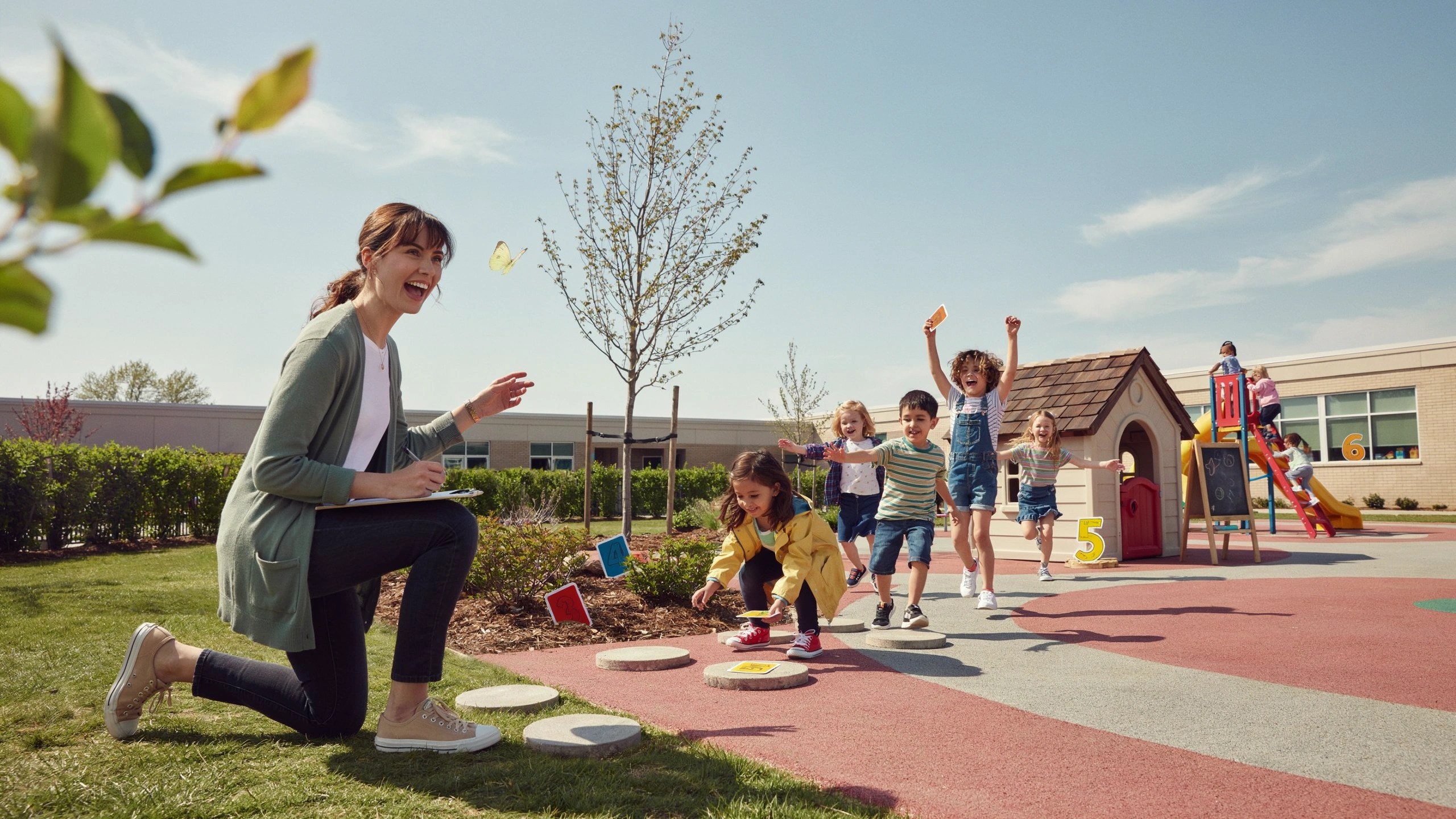
Learning numbers becomes much more exciting when children can search, explore, and discover them through play. Number hunt activities transform homes, classrooms, playgrounds, and parks into interactive learning environments where children actively engage with numbers instead of simply memorizing them. By combining movement with early math concepts, these games help children build confidence while having fun.
Whether you’re a parent, teacher, or homeschool educator, number hunts are an excellent way to encourage active learning for preschool and kindergarten children.
Why Number Hunt Activities Are Effective
Young children naturally enjoy exploring their surroundings. Number hunts take advantage of this curiosity by turning number recognition into an adventure.
These activities help children:
- Recognize numbers from 1 to 20 and beyond.
- Improve counting skills.
- Develop observation and attention to detail.
- Strengthen memory and concentration.
- Build problem-solving abilities.
- Encourage physical activity.
- Increase confidence in early mathematics.
Because children learn through movement and discovery, they often remember numbers more easily after participating in these games.
1. Indoor Number Treasure Hunt
Write numbers on index cards or sticky notes and hide them around the room.
Ask children to search for each number in order.
As they find a card, encourage them to:
- Say the number aloud.
- Count to that number.
- Find the same number of nearby objects.
This activity combines number recognition with counting practice.
2. Outdoor Nature Number Hunt
Visit a backyard, garden, or park.
Give children a checklist with numbers and ask them to collect or identify that many natural objects.
For example:
- Find 3 leaves.
- Collect 5 small stones.
- Count 7 flowers.
- Spot 2 birds.
This activity connects math with nature while encouraging observation.
3. Number and Color Hunt
Hide colorful number cards throughout the play area.
Give children clues such as:
- Find the blue number 4.
- Look for the red number 9.
- Search for the green number 2.
Combining colors with numbers improves attention and listening skills.
4. Number Hop Trail
Place large number cards on the floor or sidewalk.
Children follow the trail by hopping from one number to the next in the correct order.
You can increase the challenge by asking them to:
- Count backward.
- Skip count by twos.
- Hop only on even numbers.
This game combines movement with mathematical thinking.
5. Missing Number Hunt
Hide number cards but leave a few numbers out.
Once children collect the cards, ask them to identify which numbers are missing.
For example:
1, 2, 3, 5, 6, 8
Children discover that 4 and 7 are missing.
This activity strengthens sequencing and logical reasoning.
6. Toy Number Match
Place number cards around the room.
Children collect the correct number of toys to match each card.
Examples include:
- 6 building blocks.
- 4 toy cars.
- 8 stuffed animals.
- 3 dolls.
Matching numbers with quantities reinforces one-to-one correspondence.
7. Number Puzzle Hunt
Hide pieces of a number puzzle in different locations.
Each time children find a piece, they return to the table and work together to complete the puzzle.
This activity develops teamwork, patience, and problem-solving while reinforcing number recognition.
8. Neighborhood Number Walk
Take a walk around your neighborhood and encourage children to spot numbers on:
- House numbers.
- Street signs.
- Mailboxes.
- License plates.
- Store signs.
- Bus stops.
Ask questions like:
- Which is the biggest number you found?
- Can you find the number 10?
- Which numbers appear more than once?
This helps children realize that numbers are part of everyday life.
9. Number Relay Race
Divide children into teams.
Scatter number cards across a play area.
Call out a number, and one player from each team races to find it before returning to tag the next teammate.
This fast-paced game encourages teamwork, listening, and quick number recognition.
10. Create Your Own Number Hunt
Invite children to design a number hunt for friends or family members.
They can:
- Draw number cards.
- Choose hiding places.
- Write clues.
- Decide the order of the hunt.
Planning the game helps reinforce number knowledge while encouraging creativity and leadership.
Tips for Successful Number Hunt Activities
Keep the search area safe and easy to explore.
Adjust the difficulty based on the child’s age and experience.
Use large, colorful number cards that are easy to see.
Encourage children to count aloud whenever they find a number.
Celebrate participation, teamwork, and curiosity rather than speed.
Repeat activities regularly using different themes to maintain excitement.
Common Mistakes to Avoid
Avoid hiding numbers in places that are difficult or unsafe to reach.
Do not introduce too many unfamiliar numbers at once.
Focus on a small range before expanding.
Avoid turning every activity into a competition.
Children learn best when they feel relaxed and confident.
Remember that every successful discovery builds mathematical understanding.
Conclusion
Creative number hunt activities transform early math into an exciting adventure filled with movement, exploration, and discovery. Whether children are searching for hidden cards indoors, collecting natural objects outside, spotting numbers in the neighborhood, or designing their own treasure hunts, every activity strengthens number recognition, counting skills, and confidence.
By making mathematics interactive and enjoyable, parents and educators help children develop a positive attitude toward learning. With a little creativity and everyday materials, number hunts become memorable experiences that lay the foundation for lifelong mathematical success.