
Introduction
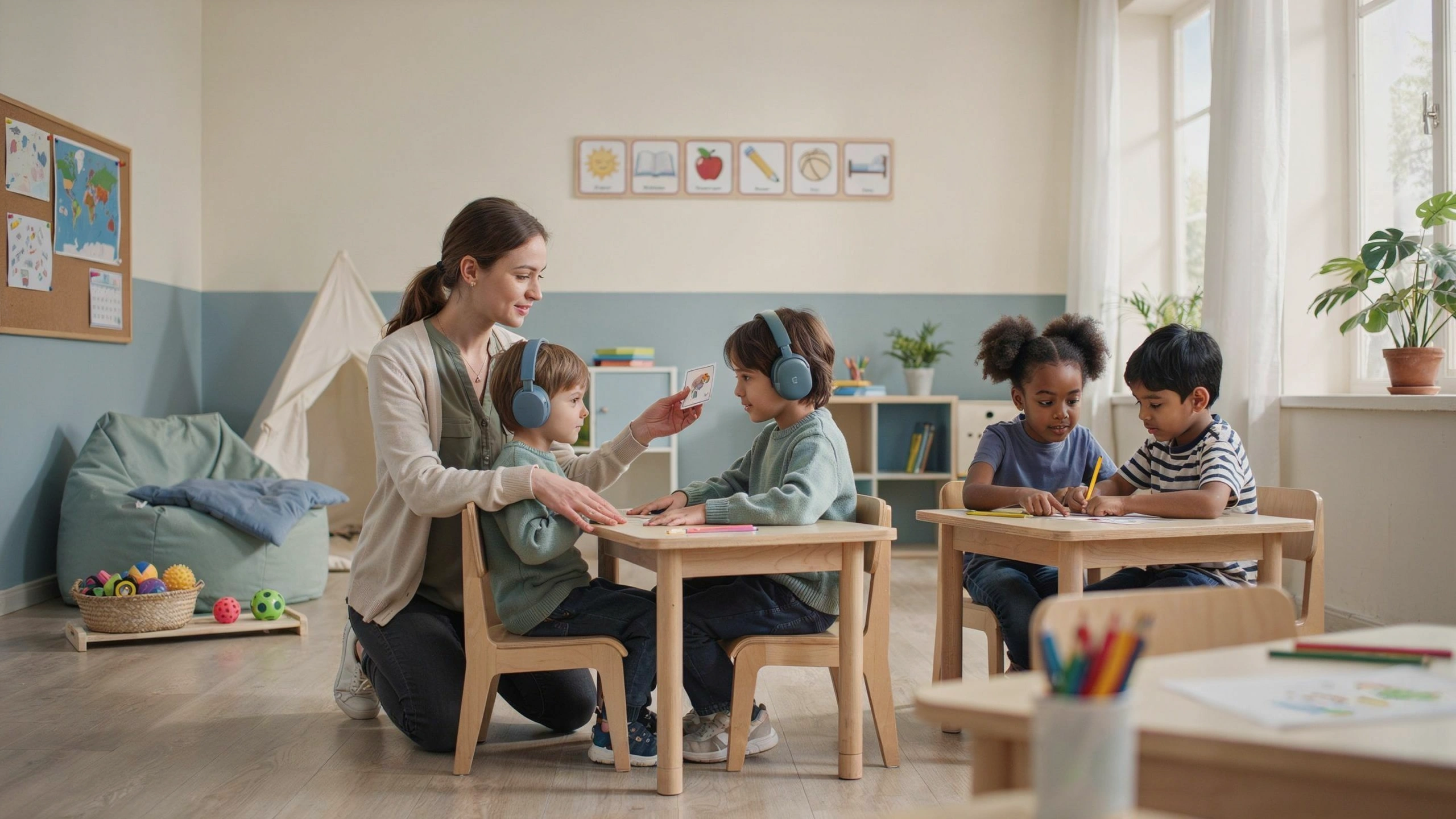
Every student deserves a learning environment where they feel respected, understood, and supported. For students with Autism Spectrum Disorder (ASD), traditional classroom settings can sometimes create challenges related to communication, sensory processing, social interaction, and learning styles. Creating an autism-friendly classroom does not mean changing expectations or lowering standards; it means adapting teaching approaches to help every learner reach their full potential.
An inclusive classroom benefits not only autistic students but all learners by promoting empathy, flexibility, cooperation, and respect for individual differences.
1. Understanding the Needs of Students with Autism
Autism is a developmental condition that affects how individuals communicate, interact with others, process information, and experience the world around them. Every autistic student is unique, with different strengths, interests, abilities, and challenges.
Some students may:
- Prefer predictable routines and clear structures.
- Experience sensitivity to sounds, lights, textures, or crowded environments.
- Need additional support with communication and social interaction.
- Have strong interests or exceptional abilities in specific areas.
- Require alternative ways to demonstrate their knowledge.
Teachers should avoid assuming that all autistic students learn in the same way. Understanding each student’s individual profile is the first step toward creating an effective learning environment.
2. Creating a Predictable Classroom Environment
Many autistic learners feel more comfortable when they know what to expect. A predictable classroom reduces anxiety and helps students focus on learning.
Teachers can create structure by:
Using Visual Schedules
Visual schedules help students understand the sequence of daily activities. They can include:
- Pictures representing activities.
- Written instructions.
- Symbols or icons.
- Timelines for special events.
For example:
Morning Routine → Mathematics → Break Time → Reading Activity → Lunch
This allows students to prepare mentally for transitions.
Establishing Consistent Routines
Regular classroom routines provide security. Teachers should:
- Begin lessons in a similar way each day.
- Clearly explain changes in schedules.
- Give warnings before transitions.
3. Designing a Sensory-Friendly Classroom
Many autistic students experience sensory differences. A noisy classroom, bright lights, or unexpected sounds may become overwhelming.
Teachers can create a sensory-friendly environment by:
- Providing a quiet corner where students can take breaks.
- Reducing unnecessary classroom noise.
- Allowing the use of sensory tools when appropriate.
- Organizing classroom materials clearly.
- Avoiding excessive visual distractions.
A calm environment helps students regulate their emotions and participate more effectively.
4. Using Clear and Effective Communication
Communication strategies should match each student’s needs.
Teachers can support communication by:
Giving Simple Instructions
Instead of saying:
“Please organize your materials, prepare your notebook, and start working on the activity.”
Teachers can break the task into smaller steps:
- Take your notebook.
- Write the date.
- Complete exercise one.
Using Visual Support
Pictures, charts, gestures, and written instructions can make information easier to understand.
Allowing Extra Processing Time
Some autistic students need more time to understand questions and prepare responses. Giving extra waiting time shows respect for different communication styles.
5. Implementing Differentiated Instruction
Students with autism may learn differently from their classmates. Differentiated instruction allows teachers to adapt lessons without changing learning goals.
Examples include:
- Providing written instructions along with verbal explanations.
- Offering different ways to complete assignments.
- Using hands-on activities.
- Connecting lessons to students’ interests.
- Breaking complex tasks into smaller steps.
For example, a student who struggles with writing may demonstrate knowledge through:
- A presentation.
- Pictures.
- A digital project.
- Oral explanation.
6. Encouraging Social Inclusion
A successful autism-friendly classroom promotes friendships and acceptance.
Teachers can encourage inclusion by:
- Teaching students about diversity and respect.
- Creating cooperative learning activities.
- Encouraging peer support.
- Preventing bullying and misunderstandings.
- Celebrating different strengths and abilities.
Social inclusion helps autistic students feel valued as important members of the classroom community.
7. Supporting Emotional Regulation
Some autistic students may experience difficulty managing strong emotions or unexpected situations.
Teachers can help by:
- Teaching emotional vocabulary.
- Using emotion charts.
- Practicing calming strategies.
- Recognizing signs of stress early.
- Providing appropriate breaks.
A student who becomes overwhelmed is not necessarily refusing to learn; they may need support to regain control and feel safe.
8. Building Strong Relationships with Students
A positive teacher-student relationship is one of the most powerful tools for learning.
Teachers should:
- Show patience and understanding.
- Recognize individual strengths.
- Respect communication differences.
- Listen to students’ preferences.
- Celebrate progress, not only final results.
When students feel accepted, they become more confident and motivated.
9. Working with Families and Specialists
Successful autism education requires teamwork between:
- Teachers.
- Parents and caregivers.
- Special education professionals.
- Speech therapists.
- Occupational therapists.
- School administrators.
Families can provide valuable information about:
- The student’s interests.
- Effective strategies.
- Communication methods.
- Personal goals.
Collaboration creates consistent support between home and school.
10. The Benefits of Autism-Friendly Classrooms
An autism-friendly classroom creates advantages for everyone:
For autistic students:
- Greater confidence.
- Improved academic participation.
- Reduced anxiety.
- Stronger social connections.
For other students:
- Increased empathy.
- Better cooperation skills.
- Greater appreciation of diversity.
For teachers:
- More effective teaching strategies.
- Stronger classroom relationships.
- A more positive learning environment.
Conclusion
Creating an autism-friendly classroom is about recognizing that every student learns differently. Through predictable routines, sensory support, clear communication, differentiated instruction, and meaningful relationships, teachers can create spaces where autistic learners feel safe, respected, and capable.
Inclusive education is not only about helping students with autism succeed academically; it is about building classrooms where every child has the opportunity to belong, participate, and thrive.