
Introduction
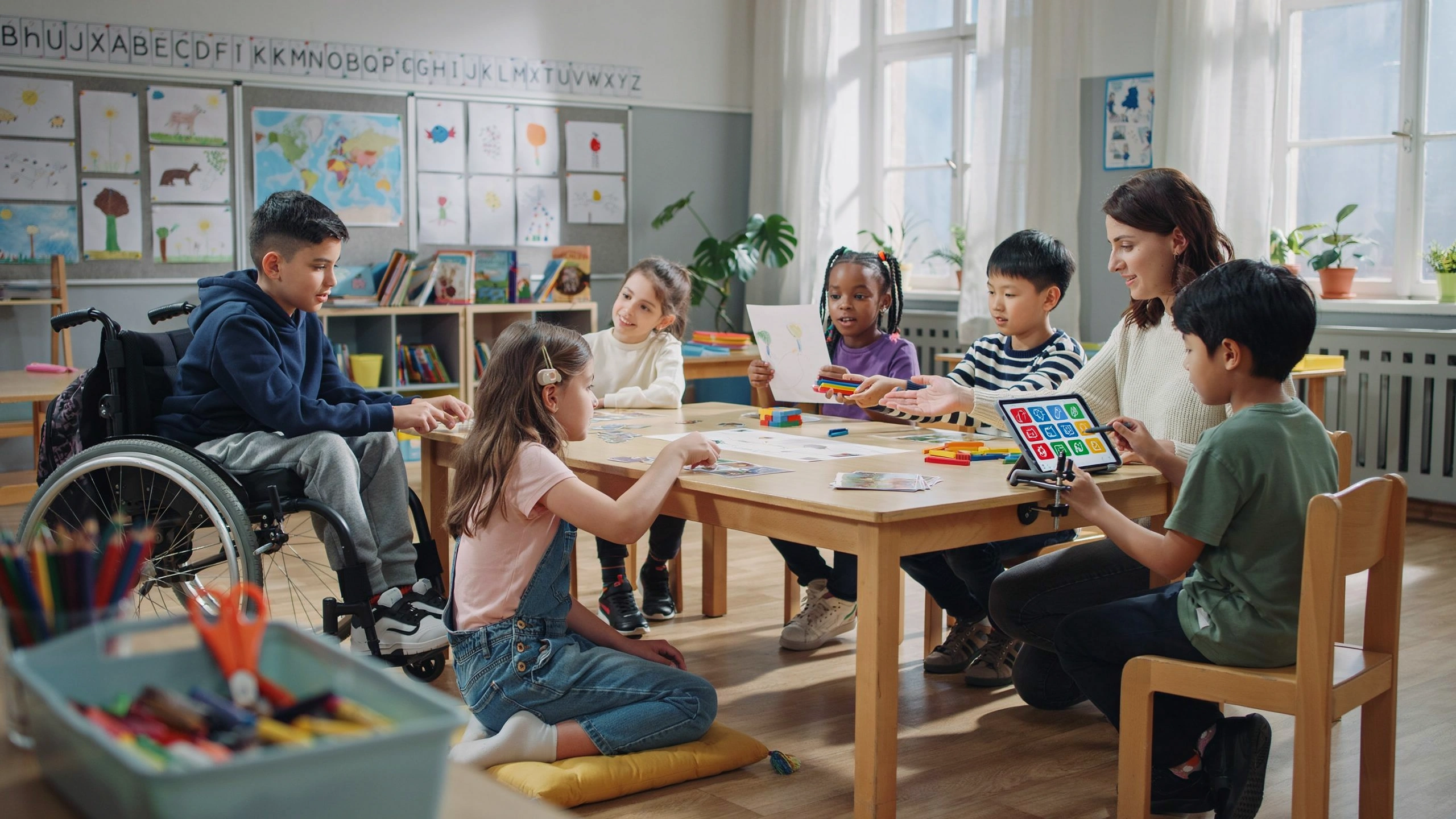
Every child deserves the opportunity to learn in a classroom where they feel welcomed, respected, and valued. An inclusive learning environment goes beyond simply placing students with different abilities in the same classroom—it ensures that every learner has access to meaningful educational experiences, regardless of their background, abilities, or learning needs.
Inclusive education benefits not only students with learning disabilities but also their classmates, teachers, and the entire school community. By embracing diversity and adapting teaching practices, educators can create classrooms where every student has the chance to succeed.
What Is Inclusive Education?
Inclusive education is an approach that ensures all students learn together in the same educational setting whenever possible. It recognizes that every child learns differently and that teaching methods should be flexible enough to meet diverse learning needs.
An inclusive classroom values differences in:
- Learning abilities
- Physical abilities
- Cultural backgrounds
- Languages
- Socioeconomic status
- Learning styles
- Interests and talents
Rather than expecting students to fit one teaching style, inclusive education adapts instruction to support every learner.
Why Inclusion Matters
Inclusive classrooms offer numerous benefits for all students.
Students learn to:
- Respect individual differences.
- Develop empathy and kindness.
- Build meaningful friendships.
- Improve communication skills.
- Work collaboratively with diverse peers.
- Appreciate multiple perspectives.
Research has shown that inclusive environments can improve both academic achievement and social development for many students.
Recognizing Diverse Learning Needs
Every classroom includes students with unique strengths and challenges. Some may have:
- Dyslexia
- Dysgraphia
- Dyscalculia
- ADHD
- Autism Spectrum Disorder (ASD)
- Speech or language difficulties
- Physical disabilities
- Hearing or vision impairments
- Gifted abilities
Teachers who understand these differences are better equipped to provide meaningful learning opportunities for everyone.
Building a Welcoming Classroom Culture
Creating an inclusive environment begins with fostering a sense of belonging.
Teachers can:
- Learn every student’s name and interests.
- Encourage respect and positive behavior.
- Celebrate cultural and individual diversity.
- Address bullying immediately.
- Promote teamwork and cooperation.
- Establish clear classroom expectations.
Students are more likely to participate when they feel safe, accepted, and valued.
Using Differentiated Instruction
Differentiated instruction allows teachers to meet students where they are.
This can include:
- Offering multiple ways to learn new concepts.
- Providing different levels of reading materials.
- Allowing students to demonstrate understanding through writing, speaking, drawing, or projects.
- Adjusting the pace of instruction when necessary.
- Providing additional support for students who need it.
Flexibility helps ensure that all learners can engage with the curriculum.
Applying Universal Design for Learning (UDL)
Universal Design for Learning (UDL) is a framework that encourages teachers to design lessons accessible to a wide range of learners from the start.
UDL promotes:
Multiple Means of Engagement
- Offering choices in learning activities.
- Connecting lessons to students’ interests.
- Encouraging active participation.
Multiple Means of Representation
- Using videos, images, demonstrations, and written materials.
- Explaining concepts in different ways.
- Providing visual organizers.
Multiple Means of Expression
- Allowing oral presentations, written assignments, creative projects, or digital media as assessment options.
This flexibility supports students with diverse learning preferences and abilities.
Creating Accessible Learning Materials
Accessible materials make learning easier for everyone.
Examples include:
- Large-print resources.
- Audiobooks.
- Closed-captioned videos.
- Graphic organizers.
- Color-coded notes.
- Visual schedules.
- Simplified instructions.
- Digital learning tools.
Accessibility reduces barriers and encourages independence.
Encouraging Collaboration
Cooperative learning helps students develop both academic and social skills.
Teachers can:
- Organize mixed-ability groups.
- Assign meaningful roles within teams.
- Encourage peer tutoring.
- Promote respectful discussions.
- Celebrate shared achievements.
Working together teaches students to appreciate each other’s strengths.
Supporting Students with Learning Disabilities
Students with learning disabilities often benefit from accommodations such as:
- Extra time on assignments and tests.
- Step-by-step instructions.
- Multisensory teaching methods.
- Frequent feedback.
- Assistive technology.
- Quiet workspaces when needed.
- Opportunities to ask questions without embarrassment.
These supports allow students to demonstrate their knowledge more effectively.
Partnering with Families
Families provide valuable insight into their children’s strengths, interests, and learning needs.
Teachers can strengthen partnerships by:
- Communicating regularly.
- Sharing both successes and concerns.
- Inviting parents to participate in school activities.
- Listening to family perspectives.
- Collaborating on educational goals.
Strong school-family relationships contribute to better student outcomes.
Promoting Social and Emotional Learning
Inclusive classrooms also nurture emotional well-being.
Teachers can:
- Teach empathy and emotional awareness.
- Encourage respectful communication.
- Help students resolve conflicts peacefully.
- Recognize individual achievements.
- Foster resilience through positive reinforcement.
Students who feel emotionally supported are more engaged in learning.
The Role of Technology
Technology has become an important tool for inclusion.
Examples include:
- Text-to-speech software.
- Speech-to-text applications.
- Interactive whiteboards.
- Educational apps.
- Digital graphic organizers.
- Online collaboration platforms.
- Translation tools for multilingual learners.
Technology can personalize learning and remove barriers that might otherwise limit student participation.
Measuring Success Beyond Grades
An inclusive classroom values progress in many forms.
Success may include:
- Increased confidence.
- Improved communication.
- Greater independence.
- Stronger friendships.
- Better problem-solving skills.
- Higher classroom participation.
- Personal growth and resilience.
Academic achievement is important, but it is only one measure of a child’s development.
Conclusion
Creating an inclusive learning environment is a commitment to ensuring that every child feels respected, supported, and capable of success. By embracing diversity, adapting teaching methods, using accessible resources, and fostering strong relationships with families, educators can build classrooms where all students thrive.
Inclusion is not simply an educational strategy—it is a philosophy that recognizes every child’s right to learn, participate, and reach their full potential. When schools create environments where differences are celebrated rather than overlooked, every learner benefits, and the entire school community becomes stronger.