
Introduction
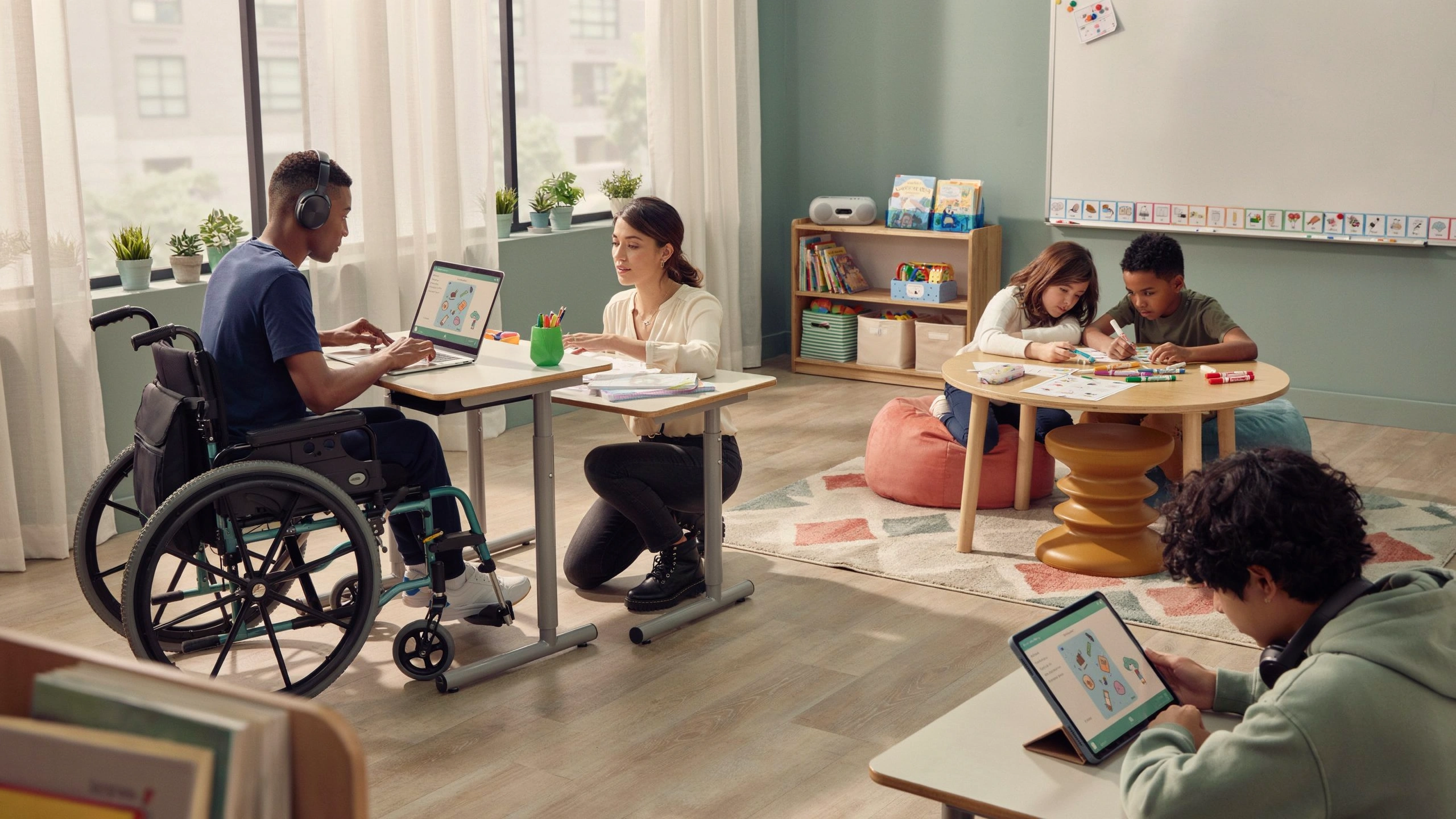
Every student deserves the opportunity to succeed in school. However, students with learning disabilities often encounter barriers that make it difficult to demonstrate their true knowledge and abilities. Classroom accommodations help remove these barriers by providing equal access to learning without changing academic expectations.
Effective accommodations allow students to participate fully in classroom activities, complete assignments more confidently, and develop the skills they need for lifelong success. When thoughtfully implemented, these supports benefit not only students with learning disabilities but also many other learners.
What Are Classroom Accommodations?
Classroom accommodations are adjustments to the learning environment, teaching methods, or assessment procedures that help students with disabilities access the curriculum.
Unlike modifications, accommodations do not reduce learning standards or simplify educational goals. Instead, they provide different ways for students to learn, participate, and demonstrate their understanding.
Examples include:
- Additional time on tests.
- Alternative methods of completing assignments.
- Assistive technology.
- Flexible seating.
- Visual learning supports.
These accommodations promote fairness by addressing individual learning needs.
Why Accommodations Matter
Students with learning disabilities often understand the material but struggle with the way it is presented or assessed.
Appropriate accommodations can:
- Improve academic performance.
- Reduce anxiety.
- Increase classroom participation.
- Strengthen independence.
- Build confidence.
- Encourage motivation.
- Create a more inclusive learning environment.
Providing support allows students to focus on learning rather than overcoming unnecessary obstacles.
Accommodations for Reading
Students with reading disabilities, such as dyslexia, benefit from supports that improve access to written information.
Helpful accommodations include:
- Audiobooks.
- Text-to-speech software.
- Enlarged print when appropriate.
- Highlighted key vocabulary.
- Reading guides or rulers.
- Pre-teaching unfamiliar vocabulary.
- Additional reading time.
These tools improve comprehension while reducing reading fatigue.
Accommodations for Writing
Students with dysgraphia or written expression difficulties may benefit from:
- Speech-to-text software.
- Keyboard use instead of handwriting.
- Graphic organizers.
- Sentence starters.
- Writing templates.
- Reduced copying from the board.
- Extra time for written assignments.
These supports allow students to communicate their ideas more effectively.
Accommodations for Mathematics
Students with dyscalculia often require instructional supports such as:
- Number lines.
- Multiplication charts.
- Manipulatives.
- Step-by-step problem-solving guides.
- Visual models.
- Graph paper for aligning calculations.
- Calculator use when appropriate.
These accommodations strengthen conceptual understanding and reduce unnecessary frustration.
Assessment Accommodations
Traditional testing methods may not accurately measure what students know.
Alternative assessment accommodations include:
- Extended testing time.
- Small-group or individual testing.
- Oral examinations.
- Frequent breaks.
- Quiet testing environments.
- Digital assessments.
- Alternative project-based evaluations.
These approaches help students demonstrate their knowledge without being limited by their disability.
Classroom Organization Supports
Many students benefit from additional organizational assistance.
Teachers can provide:
- Color-coded folders.
- Assignment checklists.
- Daily planners.
- Visual schedules.
- Clearly labeled classroom materials.
- Step-by-step written instructions.
- Reminder systems for homework.
Good organization reduces stress and increases independence.
Flexible Seating and Learning Spaces
The physical classroom environment also influences learning.
Flexible options may include:
- Quiet workstations.
- Standing desks.
- Cushioned seating.
- Small-group learning areas.
- Reduced-distraction seating.
- Movement breaks during long lessons.
Comfortable learning spaces help students maintain attention and engagement.
Using Assistive Technology
Technology has expanded opportunities for students with learning disabilities.
Useful tools include:
- Text-to-speech programs.
- Speech recognition software.
- Digital note-taking applications.
- Educational reading apps.
- Adaptive mathematics software.
- Electronic graphic organizers.
- AI-powered learning platforms.
Technology helps students access learning materials more independently while promoting confidence.
Supporting Executive Function Skills
Many students with learning disabilities also experience challenges with executive functioning.
Teachers can support these skills by:
- Breaking assignments into smaller tasks.
- Providing visual timelines.
- Teaching time management strategies.
- Modeling organizational techniques.
- Using regular progress check-ins.
- Encouraging self-monitoring.
Strong executive functioning supports academic success across all subjects.
Creating an Inclusive Classroom Culture
Accommodations are most effective when students feel respected and included.
Teachers can foster inclusion by:
- Encouraging empathy and respect.
- Avoiding unnecessary attention to accommodations.
- Celebrating individual strengths.
- Promoting collaborative learning.
- Offering multiple ways for students to participate.
- Recognizing effort and improvement.
An inclusive classroom values diversity and helps every student feel they belong.
Partnering with Families
Parents provide valuable insight into what works best for their children.
Teachers should:
- Communicate regularly with families.
- Share successful strategies.
- Discuss classroom progress.
- Adjust accommodations as needed.
- Encourage consistent support at home.
Strong partnerships between home and school improve student outcomes.
Reviewing Accommodations Regularly
Students’ needs change over time.
Schools should review accommodations periodically to determine:
- Which supports remain effective.
- Whether new accommodations are needed.
- How student independence is developing.
- Whether academic goals should be updated.
Regular review ensures that support remains appropriate and meaningful.
Conclusion
Classroom accommodations are essential tools for creating equitable educational opportunities. They allow students with learning disabilities to participate fully in learning, demonstrate their knowledge, and develop confidence without lowering academic expectations.
When teachers thoughtfully implement accommodations, collaborate with families, and foster inclusive classroom environments, they help students move beyond their challenges and focus on their strengths. By recognizing that fairness means providing each learner with the support they need, schools can empower every student to achieve meaningful and lasting success.