
Introduction
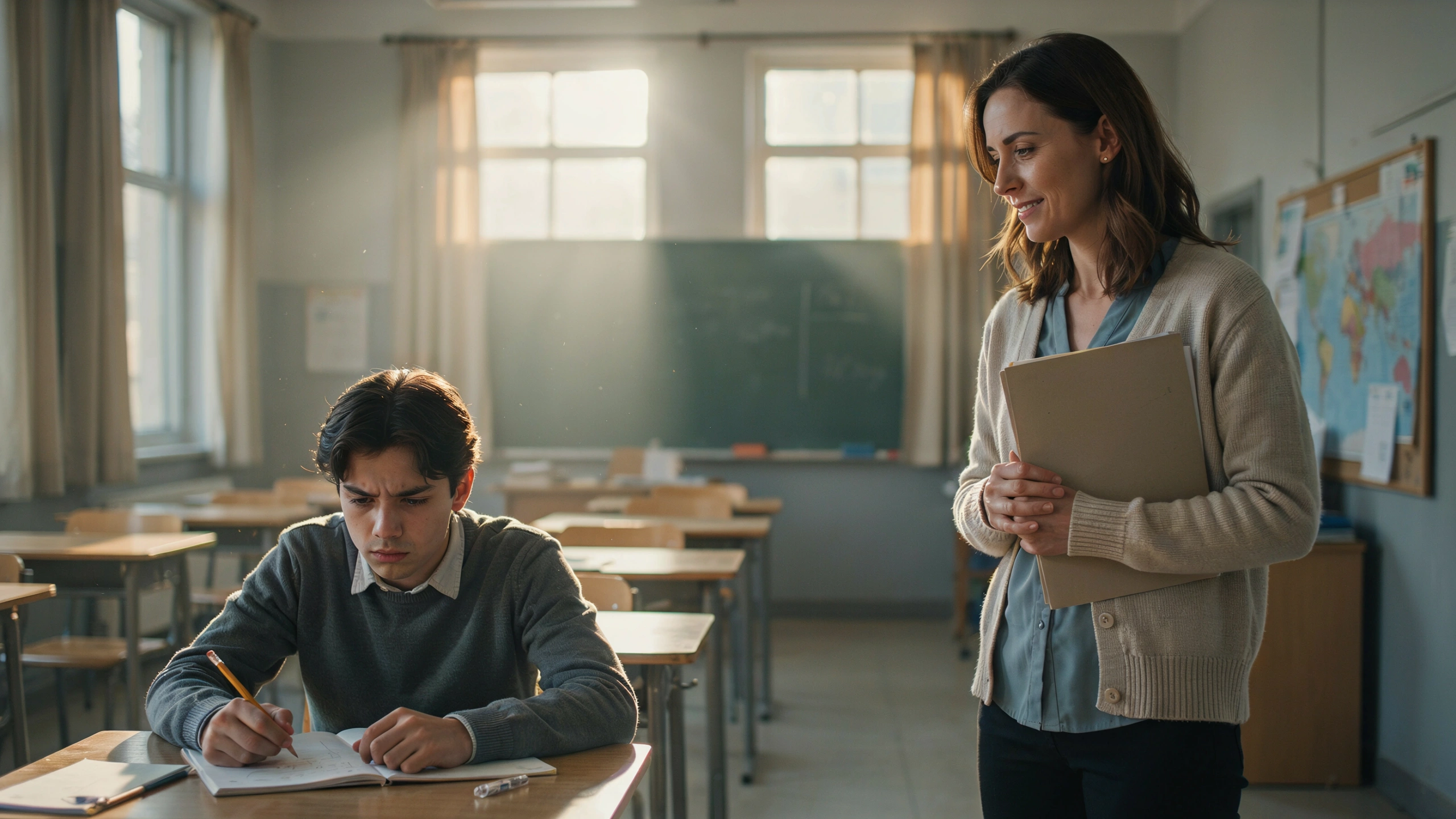
Learning disabilities affect much more than academic performance. While difficulties with reading, writing, mathematics, or organization are often the most visible challenges, many students also experience significant social and emotional difficulties. Repeated academic struggles, misunderstandings, and feelings of being “different” can influence a child’s confidence, relationships, and overall well-being.
Understanding these challenges is essential for parents, teachers, and school leaders. By providing emotional support alongside academic interventions, educators and families can help students build resilience, develop healthy relationships, and reach their full potential.
Understanding the Emotional Impact
Students with learning disabilities often work harder than their peers to complete everyday school tasks. Despite their effort, they may receive lower grades or need additional support, which can affect how they view themselves.
Common emotional experiences include:
- Frustration with academic tasks.
- Fear of making mistakes.
- Embarrassment when struggling in front of classmates.
- Anxiety about tests and classroom participation.
- Feelings of isolation.
- Low self-confidence.
- Disappointment after repeated setbacks.
Without proper support, these emotions can interfere with both learning and personal growth.
Low Self-Esteem
One of the most common emotional challenges is reduced self-esteem.
Students may begin to believe that they are “not smart enough” simply because they learn differently. Constant comparison with classmates can reinforce these negative beliefs.
Teachers and parents can strengthen self-esteem by:
- Recognizing effort rather than only results.
- Celebrating individual strengths.
- Providing opportunities for success.
- Offering sincere encouragement.
- Helping students set realistic goals.
Positive reinforcement helps children develop confidence in their abilities.
Anxiety and School-Related Stress
Many students with learning disabilities experience anxiety before:
- Reading aloud.
- Taking tests.
- Completing writing assignments.
- Solving mathematics problems.
- Speaking in front of the class.
Fear of failure may cause students to avoid participating, even when they know the answer.
Creating a supportive classroom where mistakes are treated as learning opportunities can significantly reduce anxiety.
Social Difficulties
Learning disabilities may also affect peer relationships.
Some students experience:
- Difficulty understanding social cues.
- Trouble joining group activities.
- Fear of being judged.
- Misunderstandings during communication.
- Challenges working in cooperative groups.
Social difficulties can increase feelings of loneliness if they are not addressed.
Teachers can encourage positive interactions through structured group activities, peer mentoring, and cooperative learning.
Bullying and Peer Rejection
Unfortunately, students with learning disabilities may be more vulnerable to bullying.
They may be teased because they:
- Read more slowly.
- Need extra help.
- Receive classroom accommodations.
- Learn differently from their classmates.
Schools should establish clear anti-bullying policies and create classroom cultures built on empathy, respect, and inclusion.
Teaching students to appreciate diversity benefits the entire school community.
Behavioral Responses to Frustration
Some children express emotional distress through behavior rather than words.
Possible responses include:
- Avoiding schoolwork.
- Refusing to participate.
- Acting impulsively.
- Becoming easily upset.
- Withdrawing from classmates.
- Displaying anger or frustration.
Rather than viewing these behaviors as discipline problems alone, educators should consider the underlying emotional causes.
Building Emotional Resilience
Resilience helps students recover from setbacks and continue learning despite challenges.
Teachers and parents can encourage resilience by:
- Teaching problem-solving skills.
- Modeling positive coping strategies.
- Encouraging persistence.
- Celebrating progress.
- Helping students reflect on personal growth.
- Reinforcing the idea that mistakes are part of learning.
Resilient students are better prepared to face future academic and personal challenges.
The Importance of Social and Emotional Learning (SEL)
Social and Emotional Learning (SEL) teaches students important life skills such as:
- Self-awareness.
- Emotional regulation.
- Empathy.
- Responsible decision-making.
- Relationship-building.
- Conflict resolution.
Integrating SEL into daily classroom routines benefits all students, especially those with learning disabilities.
Supporting Mental Well-Being
Schools and families should work together to protect students’ emotional health.
Helpful strategies include:
- Maintaining open communication.
- Encouraging children to express their feelings.
- Providing access to school counselors when needed.
- Promoting healthy sleep and physical activity.
- Balancing academic expectations with emotional support.
A healthy emotional foundation improves both learning and overall well-being.
The Role of Teachers
Teachers have a powerful influence on students’ emotional experiences.
Effective teachers:
- Build trusting relationships.
- Use respectful language.
- Differentiate instruction.
- Encourage collaboration rather than competition.
- Recognize individual achievements.
- Foster inclusive classroom environments.
A caring teacher can have a lasting positive impact on a student’s confidence and motivation.
The Role of Parents
Parents help children develop emotional security by:
- Listening without judgment.
- Encouraging honest conversations.
- Celebrating effort and perseverance.
- Avoiding comparisons with siblings or classmates.
- Supporting healthy friendships.
- Working closely with teachers and specialists.
Strong family support gives children the confidence to face academic challenges.
Looking Beyond the Challenges
Students with learning disabilities often possess remarkable strengths, including:
- Creativity.
- Determination.
- Innovative thinking.
- Strong verbal communication.
- Artistic talent.
- Leadership abilities.
- Compassion and empathy.
Recognizing these strengths helps students develop a balanced and positive self-image.
Many successful adults with learning disabilities attribute their achievements not only to educational support but also to the encouragement they received from caring teachers and families.
Conclusion
The social and emotional challenges associated with learning disabilities are just as important as the academic difficulties. Anxiety, low self-esteem, social isolation, and frustration can affect a student’s overall development if left unaddressed.
By creating supportive relationships, promoting emotional resilience, integrating social and emotional learning, and celebrating each student’s unique strengths, educators and families can help children overcome these challenges with confidence. When students feel understood, respected, and valued, they are better equipped to thrive both in school and throughout life.