
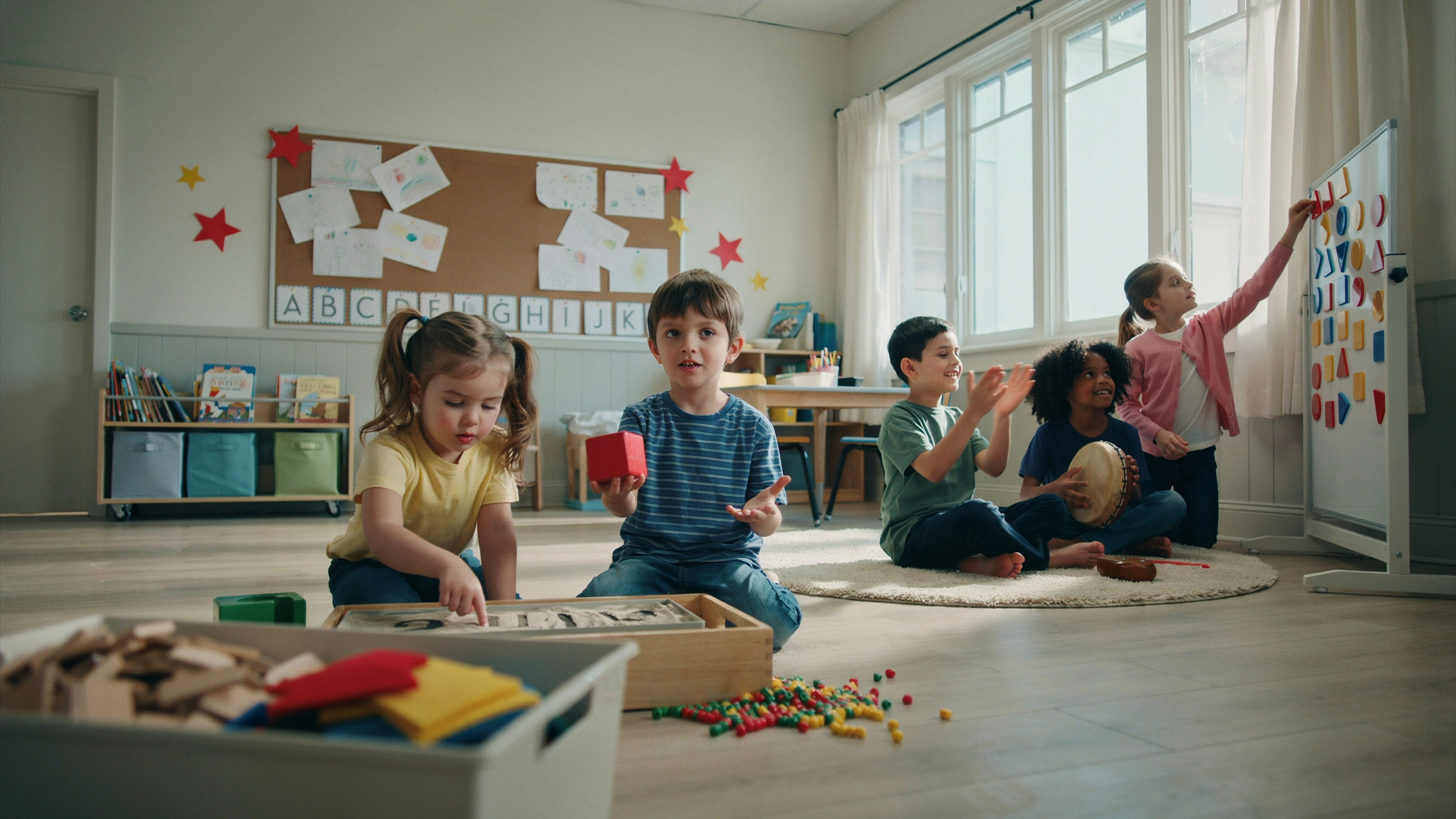
Introduction
Every student learns in a unique way. While some children learn best by reading, others understand concepts more effectively through listening, observing, or hands-on experiences. For students with learning disabilities, relying on a single teaching method may not be enough to support meaningful learning.
Multisensory teaching is an evidence-based instructional approach that engages multiple senses simultaneously to strengthen learning, improve memory, and increase student engagement. By combining visual, auditory, tactile, and kinesthetic experiences, teachers can create lessons that are more accessible and effective for all learners.
What Is Multisensory Teaching?
Multisensory teaching is an instructional approach that involves two or more senses during learning activities. Instead of simply listening to a lesson or reading a textbook, students actively interact with information using sight, hearing, touch, and movement.
For example, when learning new vocabulary, students might:
- See the word written on the board.
- Hear the teacher pronounce it.
- Say the word aloud.
- Trace the letters with their fingers.
- Write the word in sand or on paper.
- Use the word in a sentence.
Engaging multiple senses strengthens brain connections and improves long-term retention.
Why Multisensory Learning Works
Research in cognitive science suggests that learning becomes more effective when information is processed through multiple sensory pathways.
Multisensory instruction helps students:
- Remember information more easily.
- Stay actively engaged.
- Develop stronger language skills.
- Improve attention and concentration.
- Strengthen reading and writing abilities.
- Build confidence through active participation.
This approach is particularly beneficial for students with dyslexia, dysgraphia, dyscalculia, ADHD, and other learning differences.
The Four Main Learning Channels
Visual Learning
Visual learners benefit from information presented through images and written materials.
Examples include:
- Charts and graphs.
- Diagrams.
- Mind maps.
- Color-coded notes.
- Flashcards.
- Videos.
- Graphic organizers.
Visual supports help students organize and understand complex information.
Auditory Learning
Auditory learning focuses on listening and speaking.
Teachers can incorporate:
- Read-aloud activities.
- Classroom discussions.
- Songs and rhymes.
- Podcasts.
- Oral storytelling.
- Group conversations.
- Repetition of key concepts.
Hearing information reinforces understanding and language development.
Tactile Learning
Tactile learners understand concepts through touch.
Activities may include:
- Tracing letters.
- Building words with letter tiles.
- Using clay to form shapes.
- Manipulating math blocks.
- Handling science models.
- Completing puzzles.
Hands-on experiences improve memory and deepen conceptual understanding.
Kinesthetic Learning
Kinesthetic learning involves physical movement.
Examples include:
- Educational games.
- Role-playing.
- Science experiments.
- Learning stations.
- Movement-based review activities.
- Measuring objects around the classroom.
- Acting out stories.
Movement keeps students engaged while strengthening learning.
Multisensory Reading Instruction
Reading instruction becomes more effective when multiple senses are involved.
Teachers can:
- Teach letter sounds while students trace letters.
- Use magnetic letters to build words.
- Combine reading with listening to audiobooks.
- Highlight phonics patterns using different colors.
- Practice repeated reading with visual supports.
These techniques are especially effective for students with dyslexia.
Multisensory Writing Activities
Writing instruction can also incorporate several senses.
Ideas include:
- Writing in sand or shaving cream.
- Air-writing large letters.
- Using textured writing surfaces.
- Color-coding sentence parts.
- Speaking sentences before writing them.
- Using graphic organizers to plan ideas.
These activities strengthen both handwriting and written expression.
Multisensory Mathematics Instruction
Mathematics becomes more meaningful when students manipulate concrete objects.
Teachers can use:
- Base-ten blocks.
- Counting beads.
- Fraction circles.
- Number lines.
- Dice and playing cards.
- Measuring tools.
- Interactive digital manipulatives.
Connecting abstract concepts to physical experiences improves mathematical understanding.
Technology and Multisensory Learning
Educational technology provides many opportunities for multisensory instruction.
Useful tools include:
- Interactive whiteboards.
- Educational apps.
- Touchscreen tablets.
- Text-to-speech software.
- Speech recognition programs.
- Virtual manipulatives.
- Augmented reality learning experiences.
Technology makes multisensory instruction more engaging and accessible.
Benefits Beyond Academics
Multisensory teaching supports more than academic achievement.
Students often experience:
- Greater confidence.
- Increased motivation.
- Improved collaboration.
- Better communication skills.
- Higher classroom participation.
- Reduced learning anxiety.
These benefits contribute to a more positive educational experience.
Tips for Teachers
Teachers can successfully implement multisensory instruction by:
- Planning lessons that involve multiple senses.
- Encouraging active participation.
- Providing opportunities for movement.
- Using visual and tactile materials regularly.
- Allowing students to explain concepts verbally.
- Differentiating activities based on individual learning needs.
Small changes in daily instruction can make a significant difference.
Supporting Multisensory Learning at Home
Parents can reinforce multisensory learning through everyday activities.
Suggestions include:
- Reading aloud together.
- Using magnetic letters on the refrigerator.
- Cooking while practicing measurement skills.
- Playing educational board games.
- Creating vocabulary flashcards.
- Building models with blocks.
- Exploring nature during family walks.
Learning becomes more enjoyable when children actively participate.
Looking Toward the Future
As education continues to evolve, multisensory teaching is becoming an increasingly important part of inclusive classrooms. Advances in educational technology, neuroscience, and instructional design continue to provide teachers with new ways to meet diverse learning needs.
By embracing multisensory methods, schools prepare students not only for academic success but also for lifelong curiosity, creativity, and problem-solving.
Conclusion
Multisensory teaching is a powerful approach that transforms learning into an active, engaging, and meaningful experience. By involving sight, hearing, touch, and movement, educators can help students better understand concepts, retain information, and develop confidence in their abilities.
For students with learning disabilities, multisensory instruction offers an effective pathway to success. However, its benefits extend to all learners, making classrooms more inclusive, dynamic, and responsive to the diverse ways children learn. When teachers intentionally engage multiple senses, they create richer educational experiences that empower every student to thrive.