
Introduction
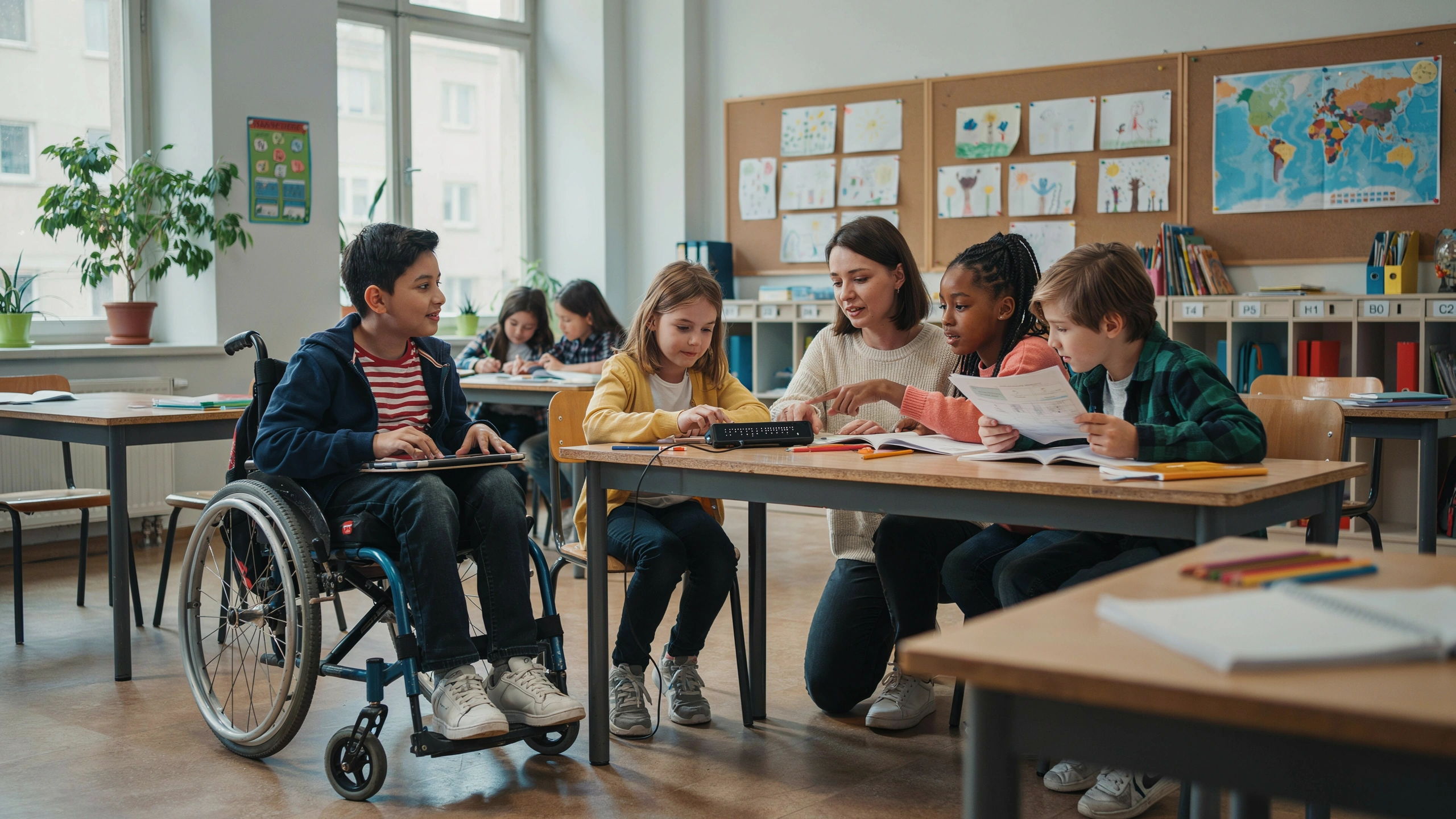
Education is a fundamental human right, and every student deserves the opportunity to learn in an environment where they feel valued, respected, and supported. In recent years, schools around the world have embraced inclusive education as a guiding principle for creating equitable learning opportunities for all students, regardless of their abilities, backgrounds, languages, cultures, or personal circumstances.
Inclusive education goes beyond simply placing students with diverse needs in the same classroom. It involves designing learning environments where every student can actively participate, succeed, and reach their full potential. As educational systems continue to evolve, inclusion has become one of the most important trends shaping the future of teaching and learning.
What Is Inclusive Education?
Inclusive education is an approach that ensures all students learn together in welcoming and supportive classrooms while receiving the accommodations and resources they need to succeed.
An inclusive classroom may include students with:
- Physical disabilities.
- Learning disabilities.
- Autism spectrum disorder.
- Attention-Deficit/Hyperactivity Disorder (ADHD).
- Sensory impairments.
- Gifted abilities.
- Different cultural or linguistic backgrounds.
- Diverse socioeconomic experiences.
Rather than expecting students to adapt to the school, inclusive education encourages schools to adapt to the needs of their students.
Why Inclusive Education Matters
Inclusive education benefits everyone—not only students with additional needs.
Inclusive classrooms help students:
- Develop empathy and compassion.
- Respect diversity.
- Improve communication skills.
- Build meaningful friendships.
- Learn from different perspectives.
- Prepare for diverse workplaces and communities.
When students learn together, they develop a stronger sense of belonging and mutual respect.
Personalized Learning for Diverse Needs
No two students learn in exactly the same way.
Inclusive classrooms recognize these differences by providing personalized learning experiences.
Teachers may use:
- Flexible learning pathways.
- Differentiated instruction.
- Individual learning plans.
- Adaptive technologies.
- Multiple assessment methods.
- Small-group instruction.
These strategies ensure that every student has an opportunity to succeed according to their strengths and learning needs.
Universal Design for Learning (UDL)
One of the most influential trends in inclusive education is Universal Design for Learning (UDL).
UDL encourages teachers to provide:
- Multiple ways of presenting information.
- Multiple ways for students to demonstrate learning.
- Multiple methods of engaging learners.
For example, students may learn through videos, written materials, hands-on activities, discussions, or digital simulations while demonstrating understanding through presentations, projects, written reports, or creative media.
This flexibility benefits all learners, not only those with disabilities.
The Role of Assistive Technology
Technology has become a powerful tool for inclusion.
Assistive technologies help students overcome learning barriers through tools such as:
- Text-to-speech software.
- Speech-to-text applications.
- Screen readers.
- Closed captions.
- Audiobooks.
- Communication devices.
- Adaptive keyboards and touchscreens.
- Artificial Intelligence learning assistants.
These technologies increase independence and improve access to educational content.
Creating an Inclusive Classroom Culture
An inclusive classroom is built on respect, collaboration, and acceptance.
Teachers foster inclusion by:
- Celebrating diversity.
- Encouraging cooperation rather than competition.
- Establishing clear expectations for respectful behavior.
- Addressing bullying immediately.
- Promoting student voice and participation.
- Building positive relationships with every learner.
A supportive classroom culture helps students feel safe, confident, and motivated to learn.
Family and Community Partnerships
Successful inclusion requires collaboration between schools, families, and communities.
Parents provide valuable insights into their children’s strengths, interests, and support needs.
Schools can strengthen partnerships by:
- Maintaining open communication.
- Involving families in educational planning.
- Providing regular progress updates.
- Offering workshops and support services.
- Collaborating with specialists and community organizations.
Strong partnerships contribute to better educational outcomes for all students.
Teacher Professional Development
Teachers play a central role in inclusive education.
Ongoing professional development helps educators:
- Understand diverse learning needs.
- Use inclusive teaching strategies.
- Implement differentiated instruction.
- Integrate assistive technologies.
- Promote positive classroom management.
- Collaborate with specialists and support staff.
Continuous learning ensures that teachers are prepared to meet the needs of increasingly diverse classrooms.
Challenges of Inclusive Education
Although inclusive education offers many benefits, schools face several important challenges.
Limited Resources
Some schools may lack sufficient funding, specialized staff, or assistive technologies.
Large Class Sizes
Managing diverse learning needs can be difficult in overcrowded classrooms.
Teacher Workload
Planning differentiated lessons requires additional time and preparation.
Access to Professional Support
Schools benefit from collaboration with psychologists, speech therapists, occupational therapists, and special education specialists.
Addressing these challenges requires long-term commitment and investment.
The Future of Inclusive Education
The future of inclusive education will be shaped by innovation, collaboration, and technology.
Emerging trends include:
- AI-powered personalized learning support.
- Greater use of assistive technologies.
- Universal Design for Learning across all grade levels.
- Improved teacher training in inclusive practices.
- Flexible digital learning environments.
- Stronger partnerships between schools, families, and communities.
- Increased focus on student well-being alongside academic achievement.
These developments will help create schools where every learner feels welcomed and empowered.
Conclusion
Inclusive education is transforming schools by ensuring that every student has the opportunity to learn, participate, and succeed. By embracing diversity, providing personalized support, and creating welcoming learning environments, educators can help all learners reach their full potential.
While challenges such as limited resources and teacher training remain, the benefits of inclusion extend far beyond academic achievement. Inclusive classrooms foster empathy, collaboration, respect, and a sense of belonging that prepares students for life in diverse and interconnected societies.
As education continues to evolve, inclusive education will remain a cornerstone of equitable and high-quality learning, ensuring that every classroom truly becomes a place for every learner.