
Introduction
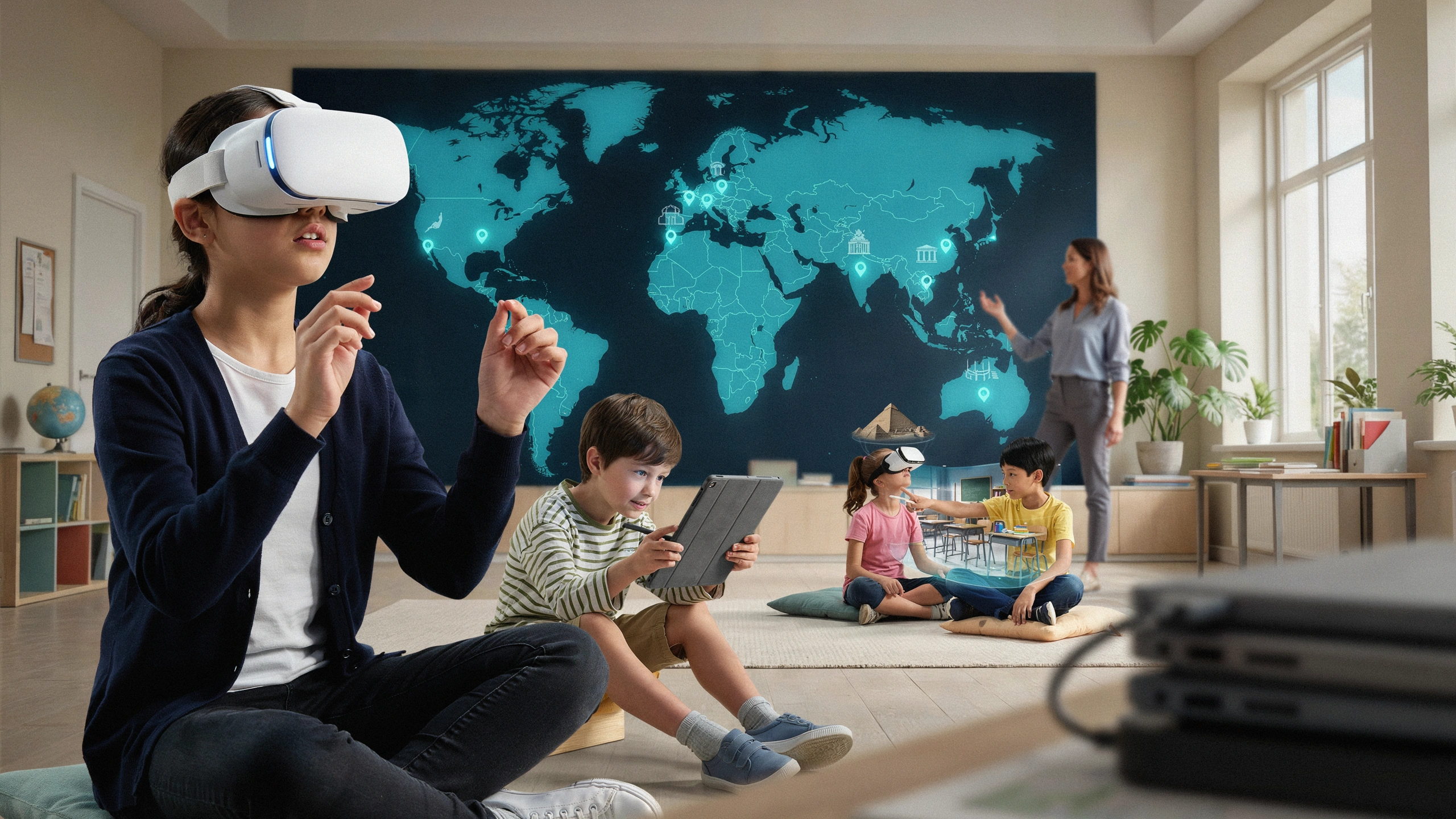
Technology has revolutionized education, transforming classrooms into gateways to the world. A student can now attend a virtual museum tour in France, collaborate on a science project with classmates in Japan, watch a live lecture from an expert in Australia, or practice a new language with native speakers—all without leaving school or home.
This unprecedented access to global knowledge has made education more inclusive, interactive, and connected than ever before. Technology no longer serves only as a tool for delivering information; it has become a bridge that connects learners across cultures, languages, and continents.
In the context of global education, technology helps every student gain access to international experiences that were once available only through expensive travel or specialized exchange programs. It encourages collaboration, cultural understanding, digital literacy, and lifelong learning while preparing students for success in an increasingly interconnected world.
What Is Global Learning?
Global learning is an educational approach that helps students understand the interconnected nature of today’s world. It encourages learners to explore different cultures, perspectives, global challenges, and international cooperation while developing the knowledge, skills, and attitudes needed to become responsible global citizens.
Technology strengthens global learning by removing geographical barriers and creating opportunities for authentic international experiences.
Why Technology Matters in Global Education
Modern digital tools allow students to:
- Communicate with peers around the world.
- Access educational resources from different countries.
- Participate in international projects.
- Learn from experts regardless of location.
- Explore cultures through multimedia experiences.
- Develop digital communication skills.
These opportunities make global education accessible to a much wider range of learners than ever before.
Expanding Access to Knowledge
The internet provides access to millions of educational resources, including:
- Digital libraries.
- Academic articles.
- Interactive textbooks.
- Educational videos.
- Scientific databases.
- Language-learning platforms.
- Virtual museums.
- Historical archives.
Students are no longer limited to the materials available in their local classrooms. They can explore diverse perspectives and learn directly from global sources.
Virtual Classrooms
Virtual classrooms allow students to participate in lessons from anywhere in the world.
Teachers can organize:
- International guest lectures.
- Cross-cultural discussions.
- Collaborative group projects.
- Virtual field trips.
- Global science investigations.
- International debate competitions.
These experiences help students engage with real-world issues while developing communication and collaboration skills.
Breaking Down Language Barriers
Technology has made multilingual learning more accessible.
Students can use digital tools to:
- Practice pronunciation.
- Translate unfamiliar vocabulary.
- Listen to native speakers.
- Participate in bilingual conversations.
- Access learning materials in multiple languages.
Although technology should not replace language learning, it can greatly support communication between students from different countries.
Interactive Learning Experiences
Modern educational technology encourages active participation rather than passive learning.
Interactive tools include:
- Educational games.
- Virtual reality simulations.
- Augmented reality experiences.
- Interactive maps.
- Online laboratories.
- Digital storytelling platforms.
- Multimedia presentations.
These resources make complex global topics more engaging and easier to understand.
Supporting Collaboration
Collaboration is one of the most important skills for the future workforce.
Technology enables students to work together through:
- Shared online documents.
- Collaborative presentations.
- Discussion forums.
- Video conferencing.
- Cloud-based project management tools.
Students learn to share ideas, divide responsibilities, provide feedback, and solve problems together despite geographical distance.
Developing Digital Citizenship
As technology becomes central to education, students must also learn how to use it responsibly.
Digital citizenship includes:
- Respectful online communication.
- Protecting personal information.
- Evaluating online sources.
- Recognizing misinformation.
- Respecting intellectual property.
- Maintaining digital well-being.
Global education encourages students to become ethical and responsible participants in online communities.
Personalizing Learning
Technology allows teachers to adapt instruction to individual learning needs.
Students can:
- Learn at their own pace.
- Access additional support.
- Explore advanced topics.
- Choose learning pathways based on their interests.
- Receive immediate feedback.
Personalized learning helps ensure that every student has opportunities to succeed regardless of background or ability.
Supporting Inclusive Education
Technology also increases educational accessibility.
Digital tools can assist students with diverse learning needs through:
- Screen readers.
- Closed captions.
- Speech-to-text software.
- Adjustable text sizes.
- Translation tools.
- Audio books.
- Interactive visual supports.
Inclusive technology helps remove barriers to learning while promoting equal educational opportunities.
The Role of Artificial Intelligence
Artificial intelligence is beginning to transform global education.
AI-powered tools can:
- Provide personalized tutoring.
- Recommend learning resources.
- Offer instant language practice.
- Generate interactive quizzes.
- Support writing improvement.
- Analyze learning progress.
When used responsibly, AI can complement teachers by providing individualized learning support while allowing educators to focus on meaningful human interaction.
The Role of Teachers
Technology does not replace teachers—it enhances their ability to create engaging learning experiences.
Teachers help students:
- Evaluate reliable information.
- Think critically.
- Communicate respectfully.
- Collaborate effectively.
- Apply technology ethically.
- Connect digital learning to real-world challenges.
The teacher remains the guide who helps students transform information into understanding.
The Role of Parents
Parents play an important role in supporting responsible technology use.
Families can:
- Encourage balanced screen time.
- Discuss online safety.
- Explore educational websites together.
- Monitor digital activities.
- Promote curiosity and responsible online behavior.
Partnerships between schools and families strengthen children’s digital learning experiences.
Challenges of Educational Technology
Although technology offers many advantages, schools may face challenges such as:
- Unequal internet access.
- Limited digital devices.
- Teacher training needs.
- Cybersecurity concerns.
- Digital distractions.
- Information overload.
Addressing these challenges requires thoughtful planning, investment, and ongoing professional development.
Preparing Students for the Future
Technology-rich global learning prepares students to:
- Communicate internationally.
- Collaborate across cultures.
- Adapt to technological change.
- Continue learning throughout life.
- Solve complex problems.
- Participate in the digital economy.
- Become informed global citizens.
These competencies are increasingly important in higher education and future careers.
Conclusion
Technology has made global learning more accessible than ever before, opening doors to educational experiences that transcend geographical boundaries. By connecting students with international classrooms, diverse cultures, expert knowledge, and collaborative projects, digital tools enrich learning while preparing young people for life in a globally connected society.
However, technology is most powerful when combined with thoughtful teaching, meaningful relationships, and purposeful learning. Devices alone cannot create global citizens, but educators and families can use technology to inspire curiosity, empathy, collaboration, and responsible action.
As the digital world continues to evolve, schools have an extraordinary opportunity to ensure that every student—regardless of location or background—can access high-quality global learning experiences. By embracing technology wisely, education can help build a future where knowledge is shared, cultures are respected, and learners everywhere are connected through a common desire to understand and improve the world.