
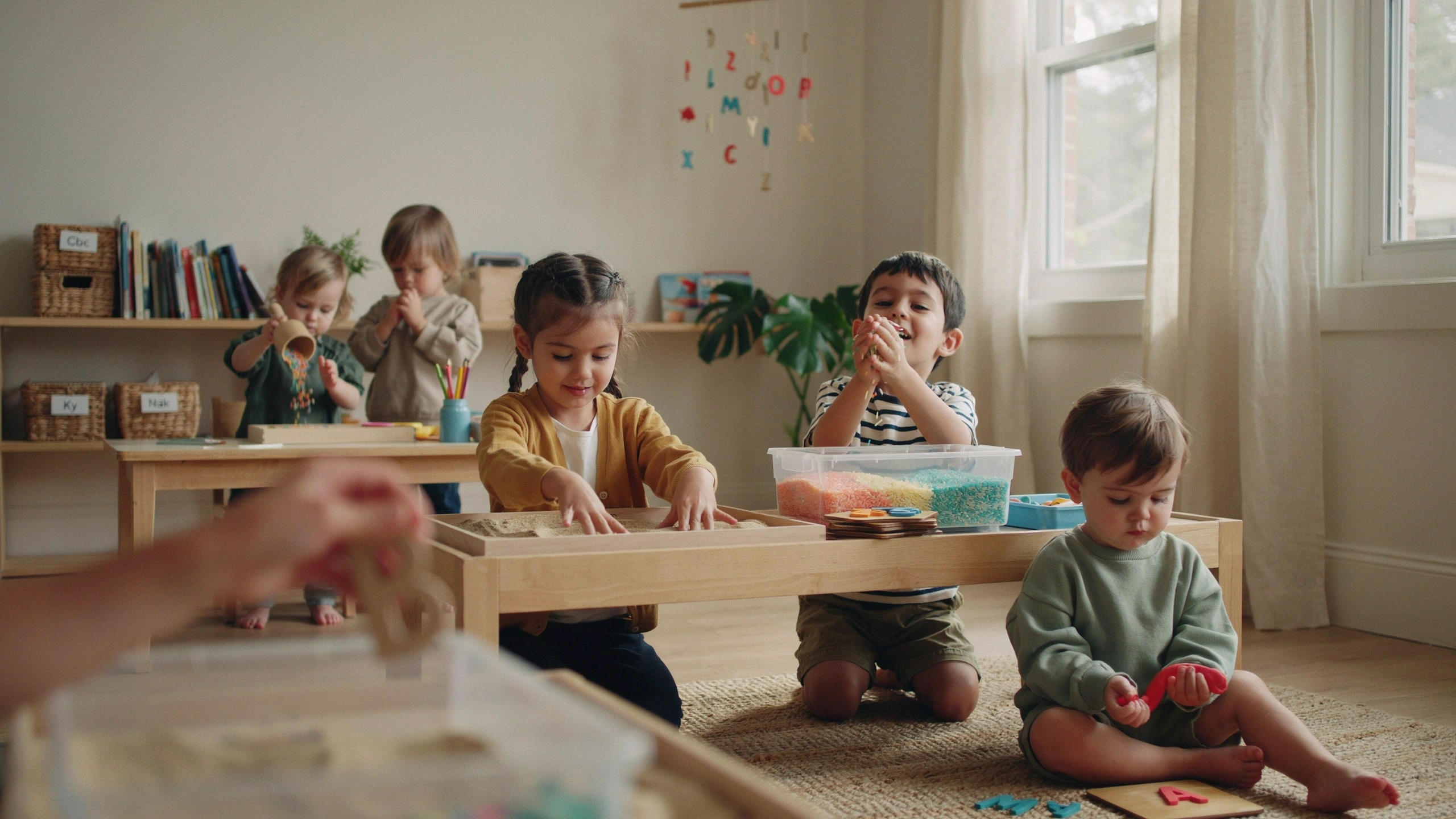
Young children learn best when they can see, touch, hear, and move while exploring new concepts. Sensory alphabet activities combine hands-on experiences with early literacy, making letter recognition more engaging and memorable. Instead of simply looking at letters on a page, children interact with them using different textures, sounds, and movements, helping to build strong connections in the brain.
Whether you’re a parent, preschool teacher, or homeschool educator, sensory alphabet activities offer fun and effective ways to introduce the ABCs while supporting overall child development.
Why Sensory Learning Is Important
Sensory play engages multiple senses at the same time, allowing children to process and remember information more effectively. It also encourages curiosity, creativity, and independent exploration.
Sensory alphabet activities help children:
- Recognize uppercase and lowercase letters.
- Learn letter sounds through meaningful experiences.
- Strengthen fine motor skills.
- Improve hand-eye coordination.
- Develop concentration and memory.
- Build confidence through hands-on learning.
- Prepare for reading and writing.
These activities are especially beneficial for preschoolers and kindergarten learners who thrive through active play.
1. Alphabet Sensory Bin
Fill a large container with sensory materials such as:
- Colored rice
- Dry beans
- Sand
- Shredded paper
- Pom-poms
- Water beads (with adult supervision)
Hide plastic or foam alphabet letters inside the bin and encourage children to search for them.
Each time a letter is found, ask children to:
- Name the letter.
- Say its sound.
- Think of a word that begins with it.
This activity turns letter recognition into an exciting treasure hunt.
2. Sand Tray Letter Writing
Pour a thin layer of sand into a shallow tray.
Show children a letter card and encourage them to trace the letter in the sand using one finger.
If mistakes happen, simply shake the tray gently and try again.
Tracing letters in sand helps children:
- Learn correct letter formation.
- Strengthen finger control.
- Improve muscle memory.
- Develop pre-writing skills.
3. Playdough Alphabet Fun
Provide soft playdough and alphabet cards.
Children roll the dough into long ropes and shape each letter.
Encourage them to decorate the letters using:
- Beads
- Buttons
- Sequins
- Pasta
- Small stones
This activity strengthens hand muscles needed for writing while making alphabet practice enjoyable.
4. Shaving Cream Letter Practice
Spread a thin layer of shaving cream on a tray or table surface.
Children use their fingers to write letters while enjoying the soft texture.
As they trace each letter, encourage them to say its name and sound aloud.
Always supervise this activity and clean surfaces thoroughly afterward.
5. Alphabet Water Painting
On a warm day, give children paintbrushes and small containers of water.
Ask them to “paint” large letters on:
- Sidewalks
- Fences
- Outdoor walls
- Chalkboards
The disappearing letters add excitement and encourage repeated practice.
6. Textured Letter Cards
Create alphabet cards using different textured materials such as:
- Sandpaper
- Felt
- Fabric
- Bubble wrap
- Foam
- Corrugated cardboard
Invite children to trace each letter slowly with their fingertips while saying its name.
Touching textured letters helps reinforce memory through sensory input.
7. Alphabet Ice Rescue
Freeze plastic alphabet letters inside containers of water.
Give children warm water, droppers, spray bottles, or small spoons to melt the ice and rescue each letter.
Once a letter is free, ask children to identify it and think of a word that starts with it.
This activity combines science, sensory exploration, and literacy.
8. Cotton Ball Alphabet Match
Write large letters on paper.
Children use glue to fill each letter outline with cotton balls.
After finishing, they gently trace the fluffy letters with their fingers while repeating the letter names and sounds.
The soft texture creates a unique sensory experience.
9. Nature Alphabet Tracing
Go outside and collect natural materials such as:
- Leaves
- Twigs
- Pebbles
- Flower petals
- Pinecones
Arrange these materials to form alphabet letters.
Children can rebuild the letters several times while discussing words that begin with each one.
Nature-based learning encourages creativity and observation.
10. Mystery Bag Alphabet Game
Place foam or magnetic letters inside a cloth bag.
Without looking, children reach inside, feel a letter, and guess which one it is based on its shape.
After making a guess, they remove the letter to see if they were correct.
This game develops:
- Tactile discrimination
- Spatial awareness
- Letter recognition
- Problem-solving skills
Children often enjoy the surprise element of this activity.
Tips for Successful Sensory Alphabet Activities
Choose materials that are safe and age-appropriate.
Supervise activities involving small objects, water, or messy materials.
Encourage children to use descriptive language by asking questions like:
- How does this letter feel?
- Is it rough or smooth?
- Which letter was easiest to find?
- What word begins with this letter?
Repeat favorite activities regularly to strengthen letter recognition through repetition.
Common Mistakes to Avoid
Avoid introducing too many new letters at once.
Focus on a small group of letters before adding more.
Do not rush children through sensory exploration.
Allow plenty of time for touching, observing, and experimenting.
Avoid correcting every mistake immediately.
Instead, gently guide children and celebrate their efforts as they learn.
Conclusion
Sensory alphabet activities transform letter learning into an exciting adventure that engages the whole child. Whether children are tracing letters in sand, building them with playdough, rescuing frozen letters from ice, or exploring textured alphabet cards, every activity strengthens early literacy while encouraging curiosity and creativity.
By combining movement, touch, sound, and exploration, parents and educators create meaningful learning experiences that help children develop confidence and a lifelong love of reading. With just a few simple materials, everyday play can become a powerful opportunity to build essential alphabet skills.