
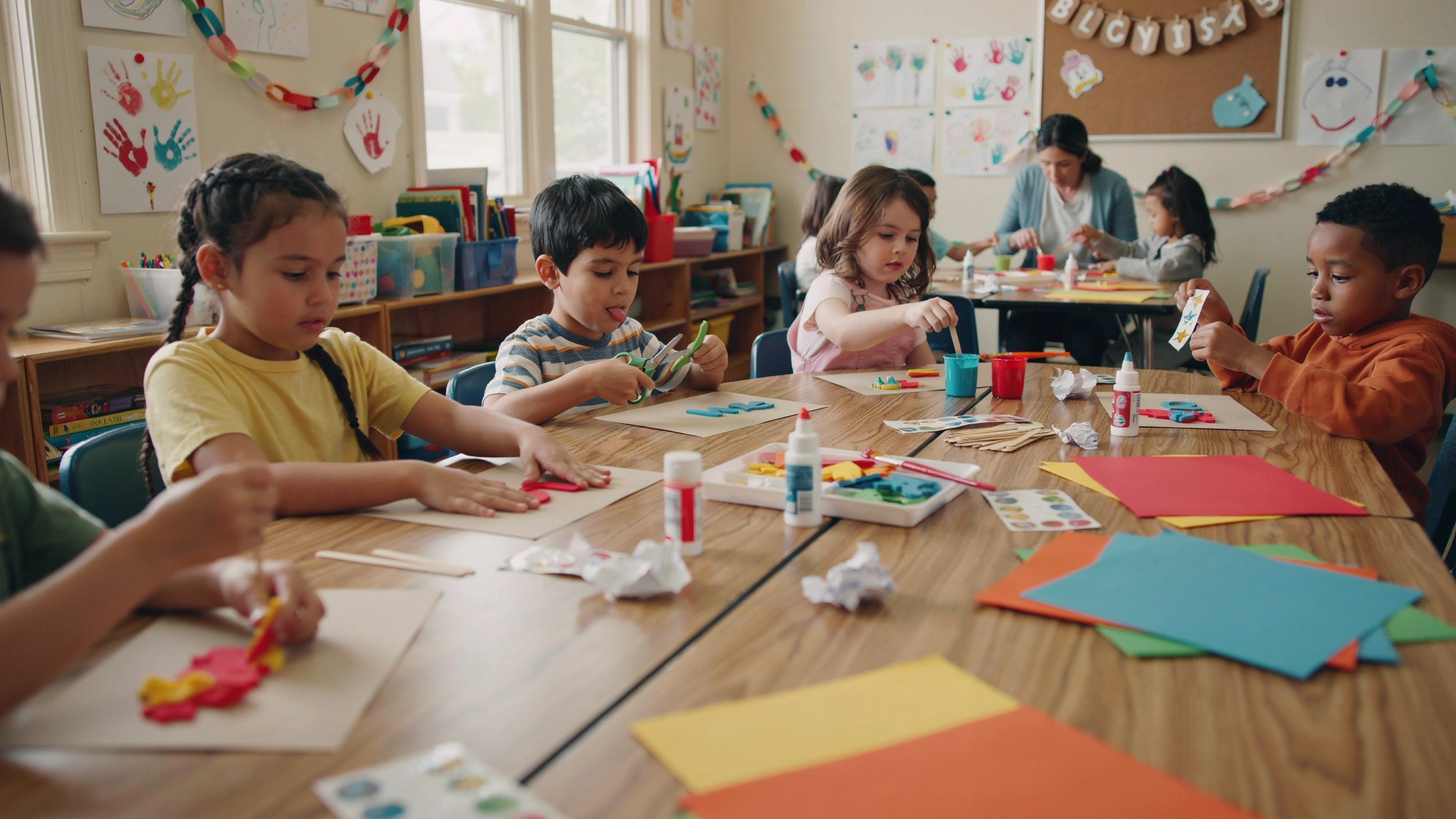
Learning the alphabet becomes much more exciting when children can create, build, and explore with their hands. Hands-on alphabet crafts combine creativity with early literacy, allowing young learners to recognize letters while developing fine motor skills, problem-solving abilities, and self-confidence.
Whether at home, in preschool, or in the classroom, alphabet crafts encourage children to learn through play. Every cutting, gluing, painting, and decorating activity reinforces letter recognition in a fun and memorable way.
Why Alphabet Crafts Are Important
Young children learn best when they actively participate in the learning process. Craft activities engage multiple senses, helping children remember letter shapes and sounds more effectively than passive learning alone.
Alphabet crafts help children:
- Recognize uppercase and lowercase letters.
- Improve fine motor skills.
- Strengthen hand-eye coordination.
- Develop creativity and imagination.
- Build vocabulary.
- Practice following directions.
- Increase confidence through completed projects.
Crafting also gives children a sense of accomplishment as they proudly display their creations.
1. Alphabet Animal Crafts
Choose one letter and turn it into an animal that begins with that letter.
Examples include:
- A — Alligator
- B — Butterfly
- C — Cat
- D — Dinosaur
- E — Elephant
- F — Frog
Children decorate the letter using colored paper, googly eyes, markers, feathers, or paint. As they work, discuss the animal’s name, its beginning sound, and interesting facts about it.
This activity connects letters with vocabulary and imagination.
2. Paper Plate Alphabet Creations
Paper plates make excellent craft materials for alphabet learning.
Write a large letter in the center of the plate and encourage children to decorate it using:
- Stickers
- Buttons
- Yarn
- Tissue paper
- Glitter
- Foam shapes
Each finished plate can be displayed on a classroom wall or at home to create a colorful alphabet gallery.
3. Playdough Letter Art
Roll playdough into long strips and shape each letter.
Children can decorate their letters with:
- Beads
- Sequins
- Small buttons
- Pasta pieces
- Pom-poms
This activity strengthens finger muscles while helping children remember letter formation.
4. Nature Letter Collages
Take children outside to collect natural materials such as:
- Leaves
- Twigs
- Flowers
- Grass
- Small stones
- Seeds
Draw large letters on cardboard and invite children to glue their nature treasures inside the outlines.
Nature crafts encourage creativity while helping children appreciate the environment.
5. Alphabet Cotton Ball Painting
Write large bubble letters on paper.
Instead of using paintbrushes, children dip cotton balls into washable paint and dab color inside each letter.
This simple activity develops:
- Hand control
- Precision
- Creativity
- Letter recognition
The textured painting process makes learning more engaging.
6. Build Letters with Craft Sticks
Provide popsicle sticks, glue, and paper.
Children build letters using straight sticks for letters like:
- A
- E
- F
- H
- K
- M
- N
- T
For curved letters, use pipe cleaners or bendable craft wire.
Building letters helps children understand their structure and shape.
7. Alphabet Button Art
Draw large letters on cardstock.
Children glue colorful buttons along each letter outline.
This activity improves:
- Finger coordination
- Visual attention
- Fine motor development
- Patience
Older children can sort buttons by color or size before decorating.
8. Letter of the Week Crown
Create simple paper crowns featuring the “Letter of the Week.”
Children decorate the crown with pictures and drawings of objects beginning with that letter.
For example, if the featured letter is “S,” children might draw:
- Sun
- Snake
- Star
- Sandwich
- Sock
Wearing the crown throughout the day reinforces learning in a fun way.
9. Recycled Alphabet Art
Collect recyclable materials such as:
- Bottle caps
- Cardboard tubes
- Egg cartons
- Cereal boxes
- Paper scraps
- Plastic lids
Challenge children to build alphabet letters using these materials.
This activity teaches creativity while introducing simple recycling concepts.
10. Giant Alphabet Mural
Tape large sheets of paper to a wall or floor.
Assign each child one or two letters to decorate using different art supplies.
When finished, combine every letter into one giant classroom alphabet mural.
The mural becomes both a learning tool and a celebration of teamwork.
Tips for Successful Alphabet Craft Activities
Prepare materials before beginning the activity to keep children focused.
Choose age-appropriate supplies that are safe and easy to handle.
Encourage creativity instead of expecting identical results.
Talk about each letter repeatedly while children create.
Ask questions such as:
- What letter are you making?
- What sound does it make?
- Can you name three words that begin with this letter?
Displaying finished crafts helps children feel proud of their work and reinforces learning every day.
Common Mistakes to Avoid
Avoid focusing only on making the craft look perfect.
The learning process is more important than the final product.
Do not rush children through activities.
Allow plenty of time for exploration and creativity.
Avoid introducing too many letters at once.
Concentrating on one or two letters helps children remember them more effectively.
Conclusion
Hands-on alphabet crafts transform early literacy into an enjoyable creative experience. Whether children are building letters with craft sticks, painting bubble letters, creating animal alphabets, or designing colorful collages from natural materials, every project strengthens letter recognition while encouraging imagination and fine motor development.
By combining art and learning, parents and educators create meaningful experiences that help children remember the alphabet with confidence and joy. These simple craft activities not only prepare children for reading and writing but also inspire a lifelong love of creativity and learning.