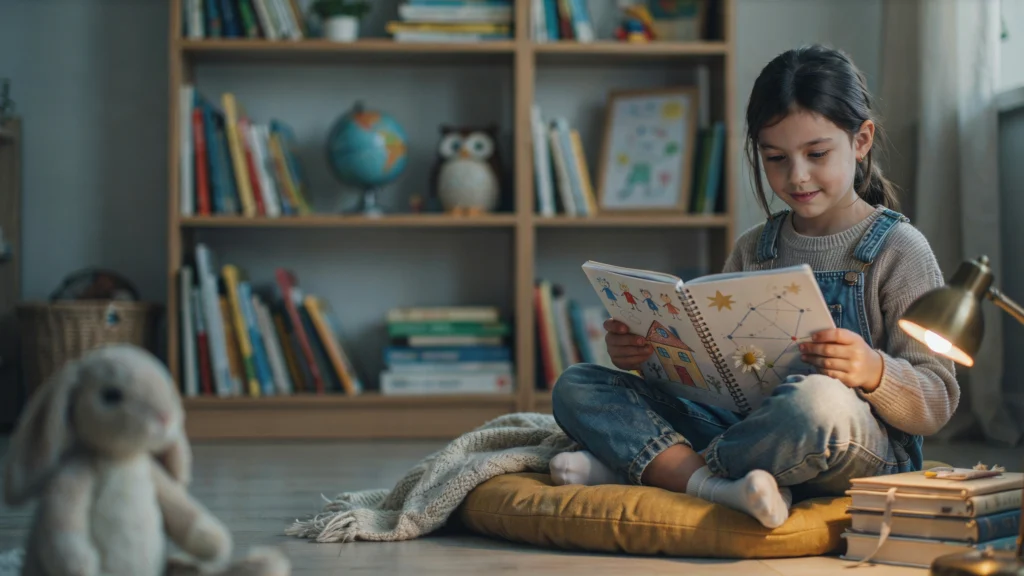
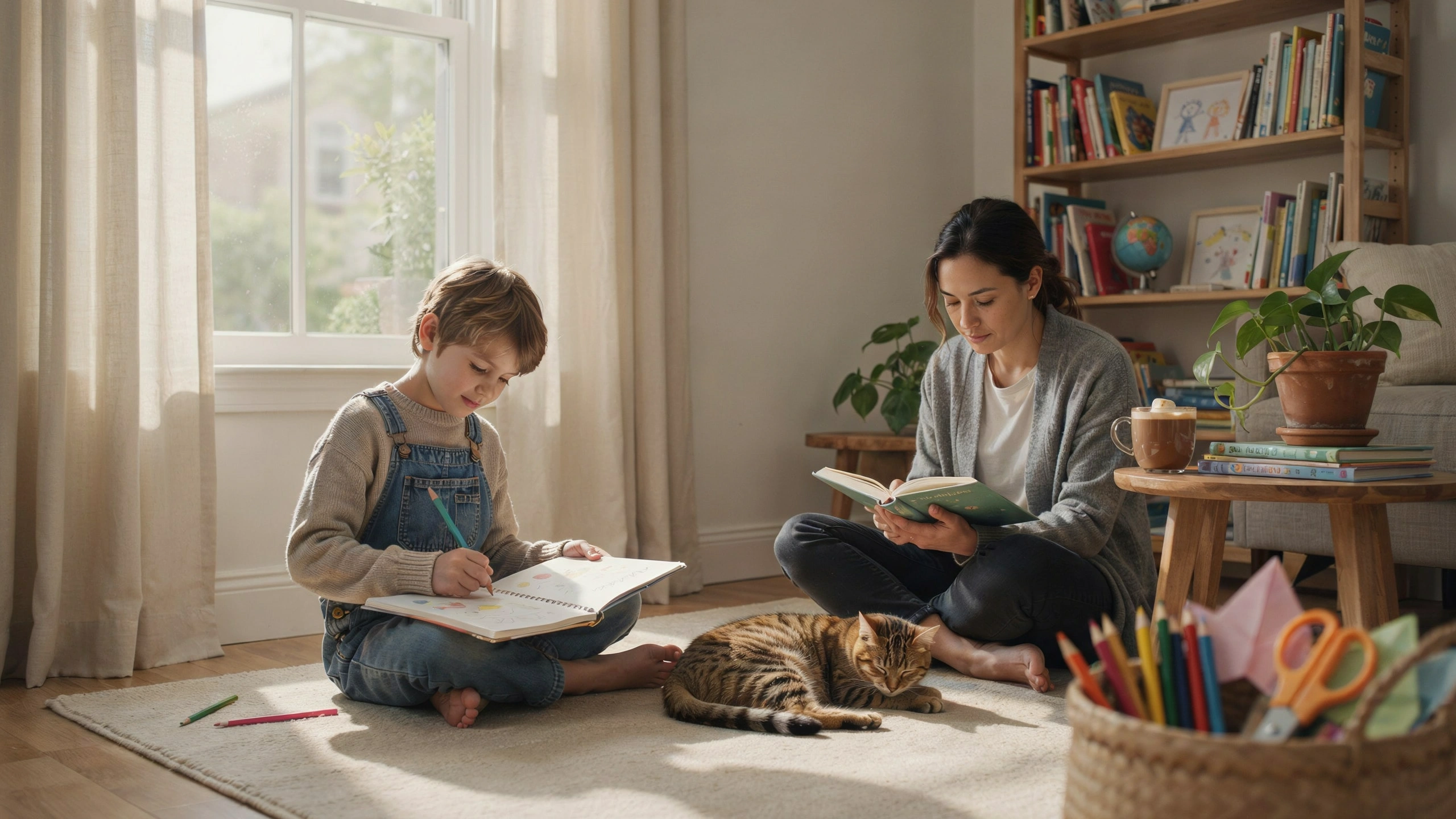
In a world filled with constant activity and digital distractions, taking a few minutes each day to write can have a lasting impact on a child’s development. Daily journaling gives children a safe space to express their thoughts, record their experiences, and reflect on their emotions. It also strengthens important academic skills such as writing, vocabulary, and critical thinking.
A journal doesn’t need to be perfect or follow strict rules. It is simply a personal place where children can explore ideas, celebrate achievements, ask questions, and learn more about themselves. Over time, this simple habit can support both emotional well-being and lifelong learning.
Why Journaling Matters
Writing regularly encourages children to slow down and think about their experiences. It helps them organize their thoughts while developing self-awareness and confidence.
Daily journaling can help children:
- Improve writing and communication skills.
- Expand vocabulary.
- Strengthen memory.
- Develop critical thinking.
- Express emotions in healthy ways.
- Build confidence and creativity.
It also encourages children to become thoughtful observers of the world around them.
Make Journaling Fun
A journal should feel enjoyable, not like another homework assignment.
Encourage children to:
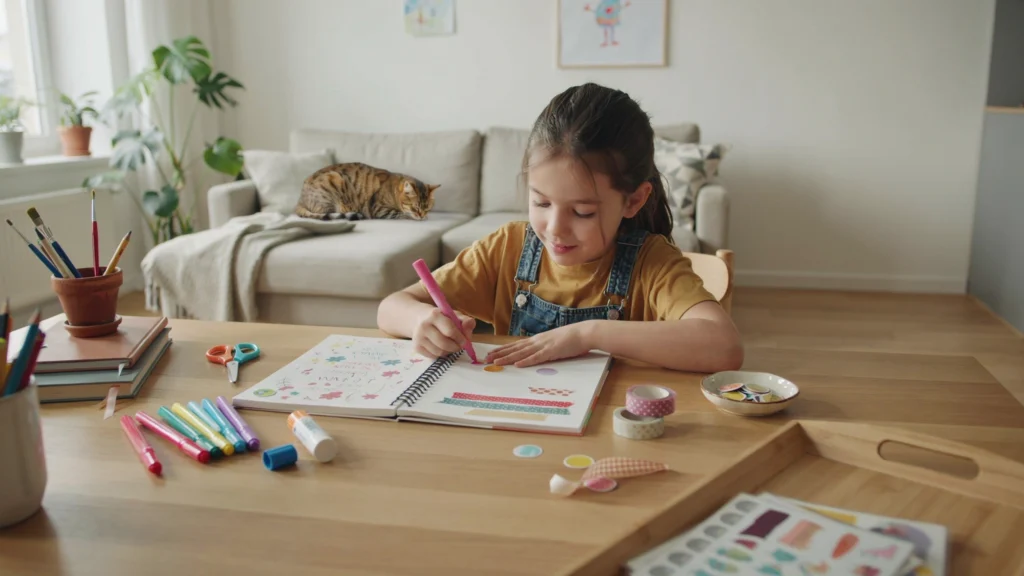
- Decorate the cover.
- Use colorful pens or pencils.
- Add drawings and stickers.
- Include photographs or ticket stubs.
- Write short stories or poems.
Giving children creative freedom makes journaling something they look forward to each day.
Start with Simple Prompts
Sometimes children aren’t sure what to write about. Simple prompts can help them get started.
Try questions such as:
- What made you smile today?
- What is something new you learned?
- What challenge did you overcome?
- What are you thankful for?
- If you could invent anything, what would it be?
- What is your biggest dream?
These prompts encourage reflection while inspiring creativity.
Encourage Emotional Expression
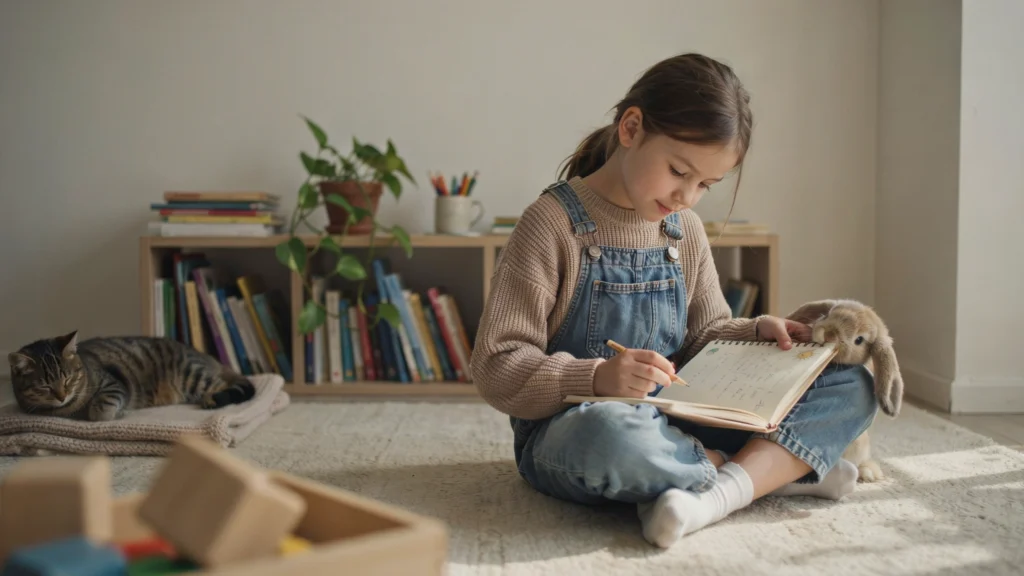
Children often find it easier to write about their feelings than to talk about them.
Invite them to describe:
- A happy moment.
- Something that made them nervous.
- A time they felt proud.
- A problem they solved.
- A goal they want to achieve.
Writing helps children recognize and understand their emotions in a healthy way.
Build Writing Skills Naturally
Daily journaling strengthens language development without pressure.
As children write regularly, they naturally improve:
- Sentence structure.
- Spelling.
- Grammar.
- Vocabulary.
- Storytelling.
- Organization of ideas.
Because the journal is personal, children often feel more comfortable experimenting with language.
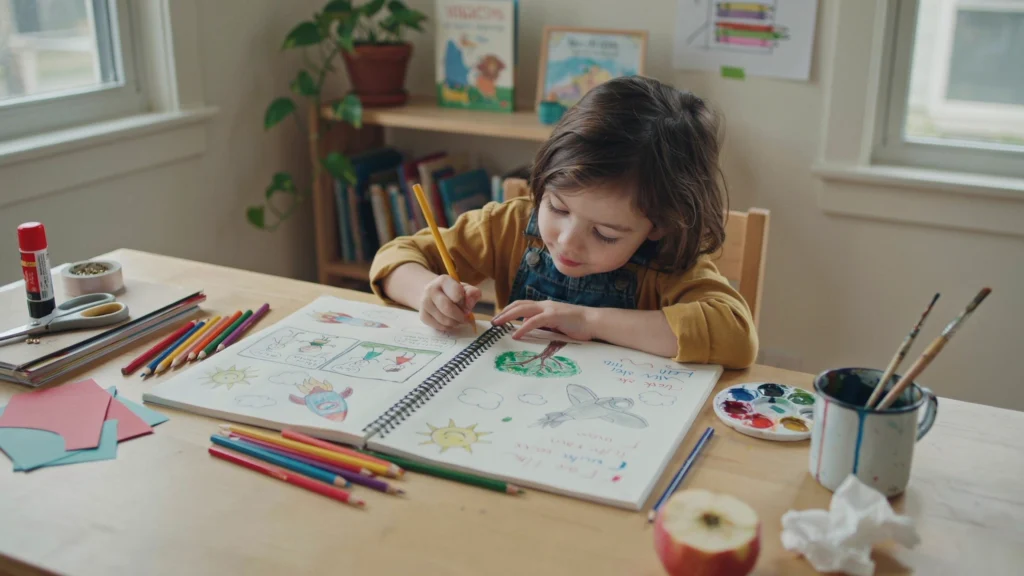
Include Drawings and Sketches
Not every journal entry needs to be written.
Younger children may enjoy:
- Drawing pictures of their day.
- Sketching nature they observed.
- Creating comic strips.
- Designing imaginary inventions.
- Making colorful mind maps.
Visual expression is another valuable way for children to communicate their thoughts.
Record Personal Achievements
Encourage children to celebrate even small successes.
They might write about:
- Finishing a difficult book.
- Learning a new word.
- Helping a friend.
- Riding a bicycle.
- Solving a puzzle.
Looking back at these achievements reminds children how much they have grown over time.
Reflect on Learning
A journal can become a record of a child’s learning journey.
Ask questions like:
- What surprised you today?
- What question are you still wondering about?
- What would you like to learn next?
- How did you solve a problem today?
Reflection strengthens both curiosity and independent thinking.
Respect Privacy
A journal should feel like a safe place for honest expression.
Parents should respect their child’s privacy whenever possible and avoid reading entries without permission unless there is a genuine concern for the child’s safety or well-being.
Knowing that their thoughts are respected encourages children to write openly and honestly.
A Habit That Grows with Your Child
Daily journaling is a simple habit with lifelong benefits. It helps children become thoughtful writers, reflective learners, and emotionally aware individuals. Over time, a journal becomes more than a notebook—it becomes a personal record of growth, creativity, and discovery.
By encouraging children to write a little each day, parents give them a valuable tool for understanding themselves and the world around them. Every page filled with ideas, dreams, questions, and memories becomes another step toward stronger communication, greater confidence, and a lifelong love of learning.
Sometimes, the most meaningful conversations a child has are the ones they write for themselves.