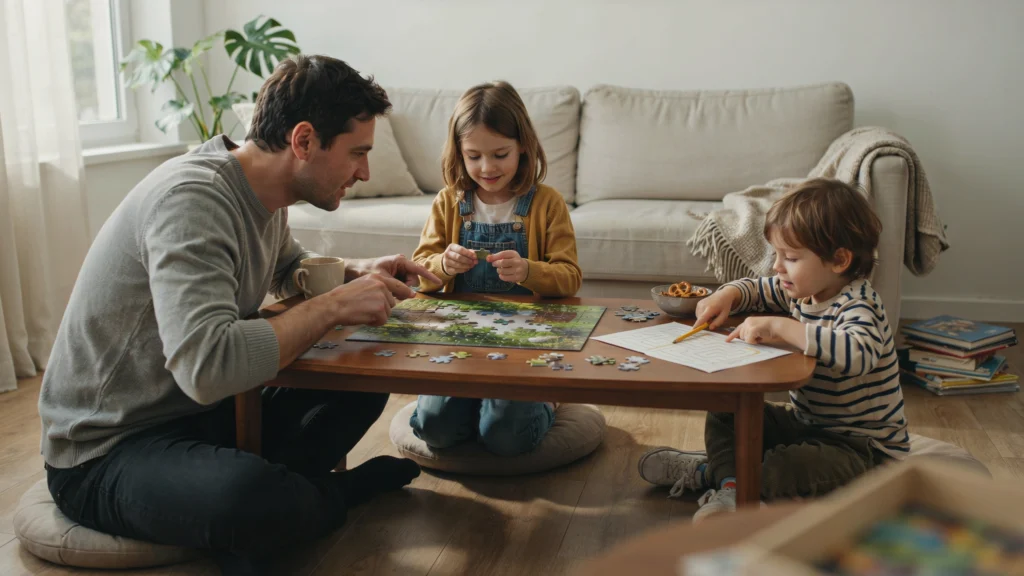
Children love solving puzzles, completing mazes, finding hidden objects, and answering riddles. While these activities are entertaining, they also provide valuable opportunities to develop essential cognitive skills. Puzzle games and brain teasers encourage children to think critically, recognize patterns, improve memory, and solve problems creatively.
Whether using traditional jigsaw puzzles, logic games, word puzzles, or hands-on challenges, children strengthen their minds while having fun. Best of all, these activities can be enjoyed at home, in the classroom, or during family game nights.
Why Puzzles Are Important
Puzzle games challenge children to think rather than simply memorize information. They encourage active learning by requiring observation, reasoning, and persistence.
Regular puzzle activities help children:
- Improve memory.
- Strengthen concentration.
- Develop logical thinking.
- Increase problem-solving skills.
- Build patience and perseverance.
- Enhance creativity.
These abilities support learning across many school subjects and everyday situations.
Strengthening Critical Thinking
Every puzzle asks children to analyze information before making decisions.
As they solve challenges, they learn to:
- Compare different possibilities.
- Eliminate incorrect answers.
- Recognize patterns.
- Make logical connections.
- Test different strategies.
Critical thinking developed through puzzles helps children become more confident learners.
Building Memory Skills
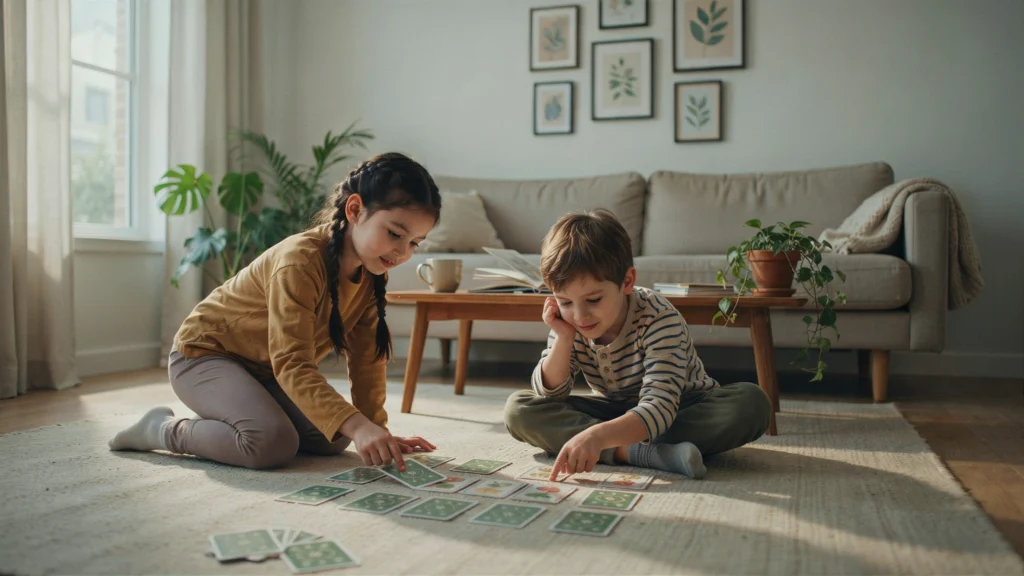
Many puzzles require children to remember shapes, numbers, words, or previous attempts.
Activities such as:
- Memory matching games.
- Sudoku.
- Sequence puzzles.
- Picture recall challenges.
- Spot-the-difference games.
exercise both short-term and working memory, helping children retain information more effectively.
Encouraging Patience and Persistence
Not every puzzle is solved on the first attempt.
Children quickly learn that success often requires:
- Trying different approaches.
- Learning from mistakes.
- Staying focused.
- Remaining patient.
- Refusing to give up.
These experiences teach resilience that extends beyond puzzle-solving into everyday life.
Developing Spatial Awareness
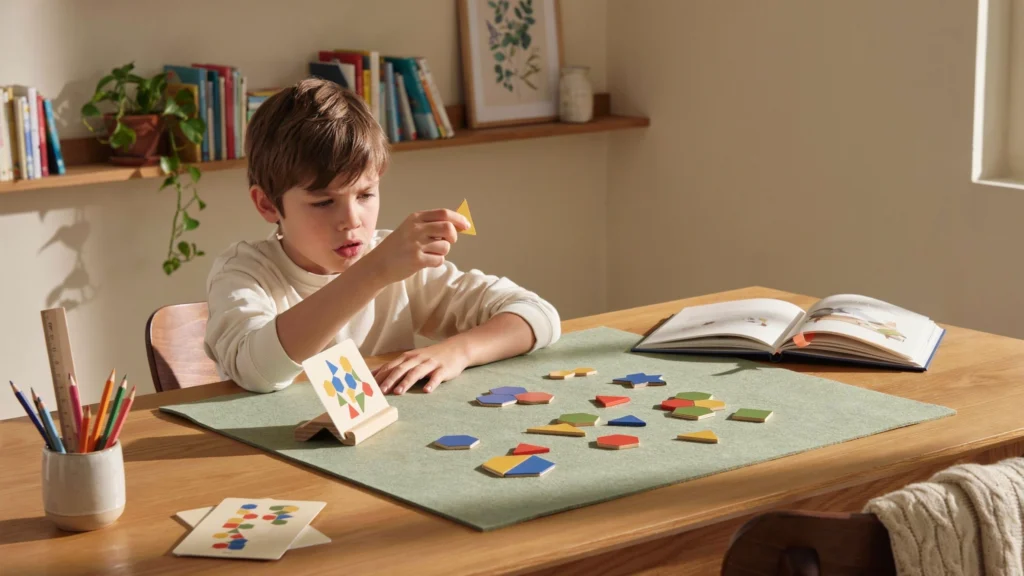
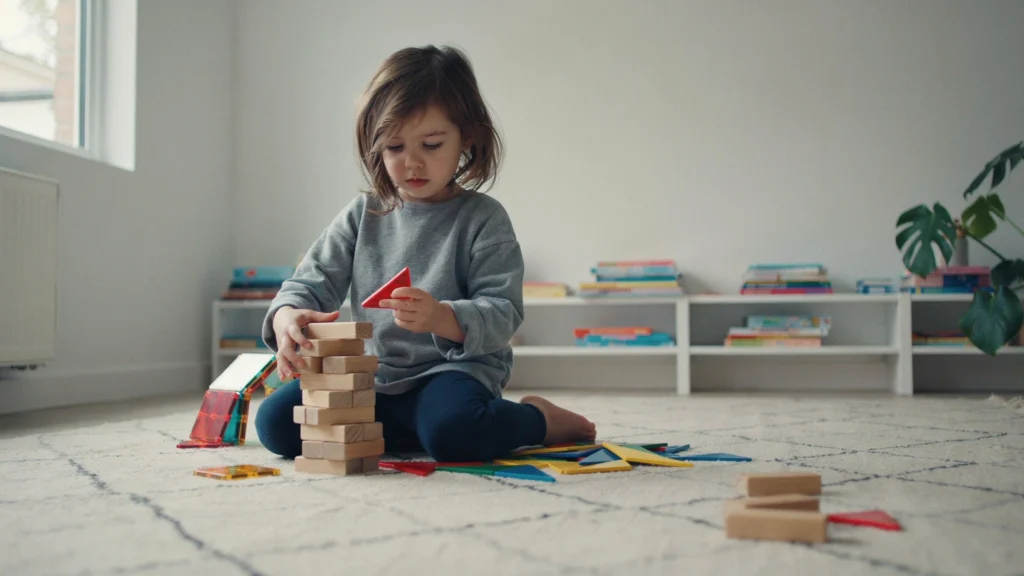
Jigsaw puzzles, building blocks, tangrams, and 3D construction toys help children understand how objects fit together.
These activities improve:
- Visual perception.
- Hand-eye coordination.
- Spatial reasoning.
- Shape recognition.
- Fine motor skills.
Spatial awareness also supports future learning in mathematics, engineering, architecture, and science.
Making Learning Fun
Educational puzzles can reinforce classroom learning in enjoyable ways.
Children can practice:
- Letter recognition.
- Vocabulary.
- Multiplication facts.
- Geography.
- Science concepts.
- Historical events.
Because puzzles feel like games, children often remain motivated to keep learning.
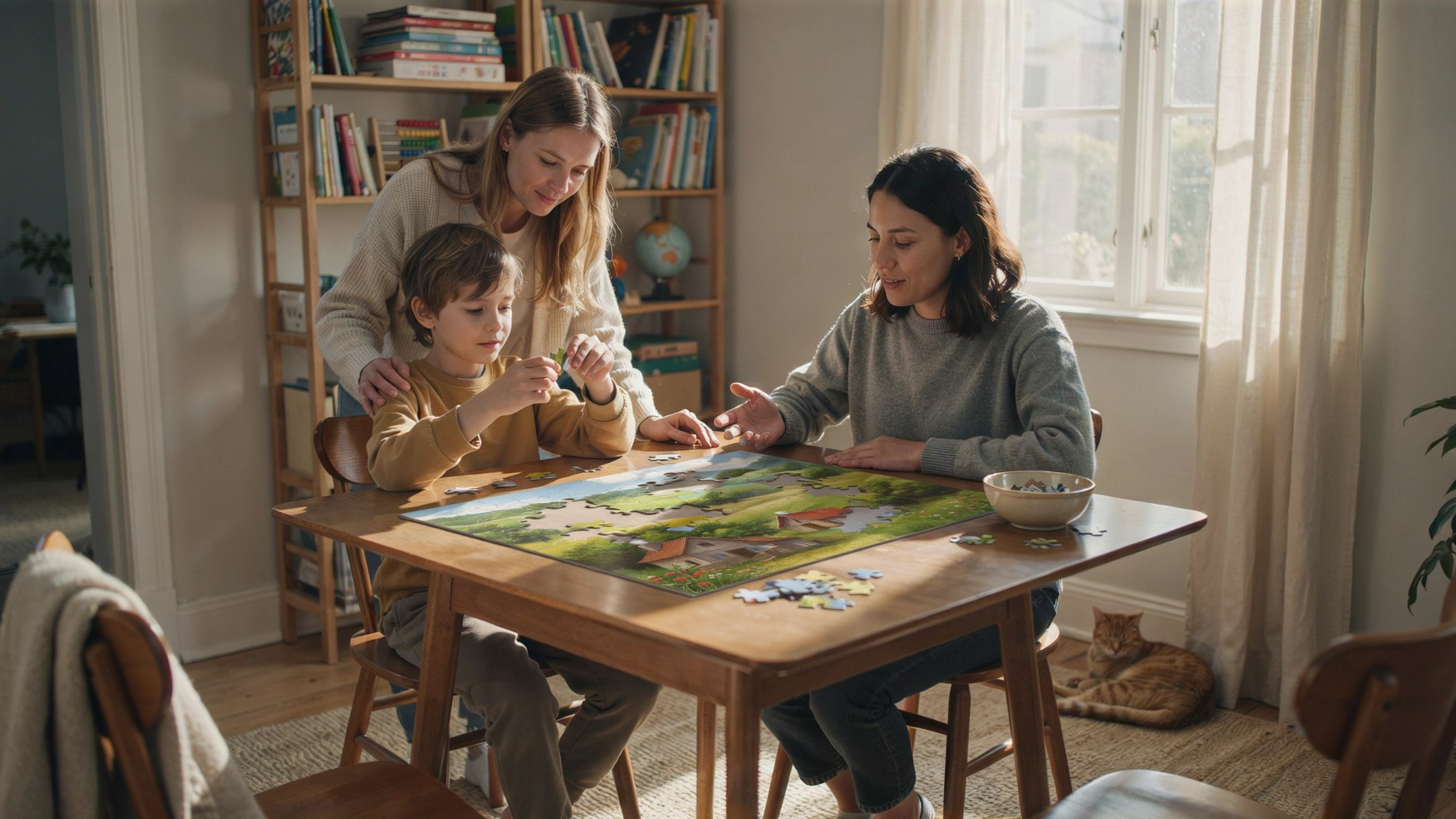
Solve Puzzles Together
Family puzzle time offers opportunities for teamwork and communication.
Parents can encourage children by asking:
- What do you notice?
- Which piece might fit here?
- Why do you think that answer is correct?
- Is there another way to solve it?
Working together teaches cooperation while allowing children to explain their thinking.
Choose Age-Appropriate Challenges
Children enjoy puzzles that are challenging but not overwhelming.
Younger children may enjoy:
- Large-piece jigsaw puzzles.
- Shape sorters.
- Matching games.
- Simple mazes.
Older children might prefer:
- Logic puzzles.
- Crossword puzzles.
- Sudoku.
- Escape room challenges.
- Strategy board games.
Selecting the right level keeps children engaged and motivated.
Celebrate the Thinking Process
Instead of focusing only on finishing the puzzle, praise the strategies children use.
For example:
- “You looked carefully before choosing that piece.”
- “You tried several different ideas.”
- “You stayed patient even when it was difficult.”
- “You didn’t give up.”
Recognizing effort encourages children to enjoy the learning process.
Growing Strong Minds Through Play
Puzzle games and brain teasers offer far more than entertainment. They strengthen memory, concentration, logical thinking, creativity, and perseverance while helping children develop confidence in their ability to solve problems.
By making puzzles a regular part of family life, parents create enjoyable opportunities for learning that never feel like work. Every completed puzzle reminds children that persistence and thoughtful thinking lead to success.
The greatest reward isn’t simply finishing the puzzle—it’s discovering how much stronger and more capable the mind becomes with every challenge solved.