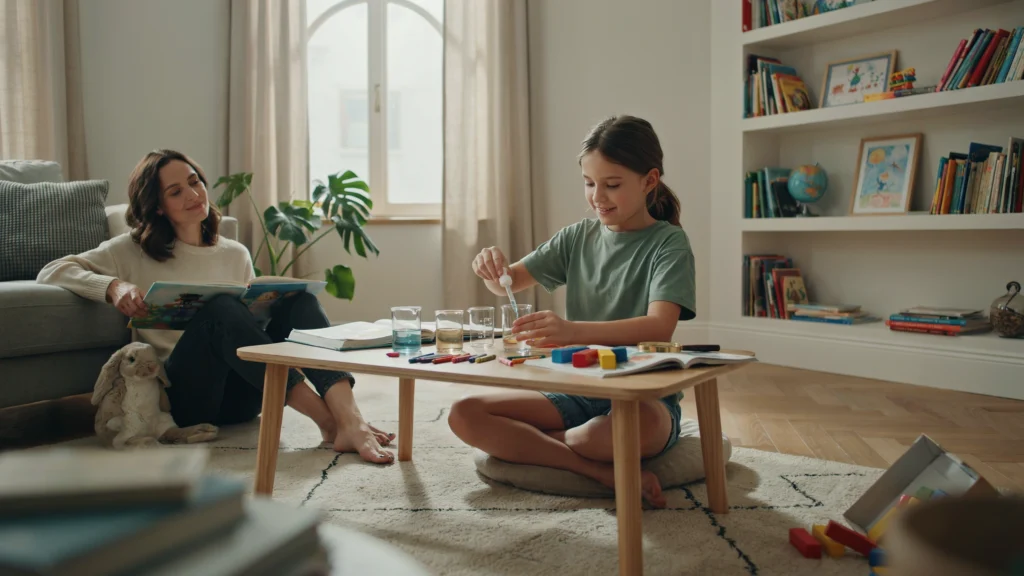
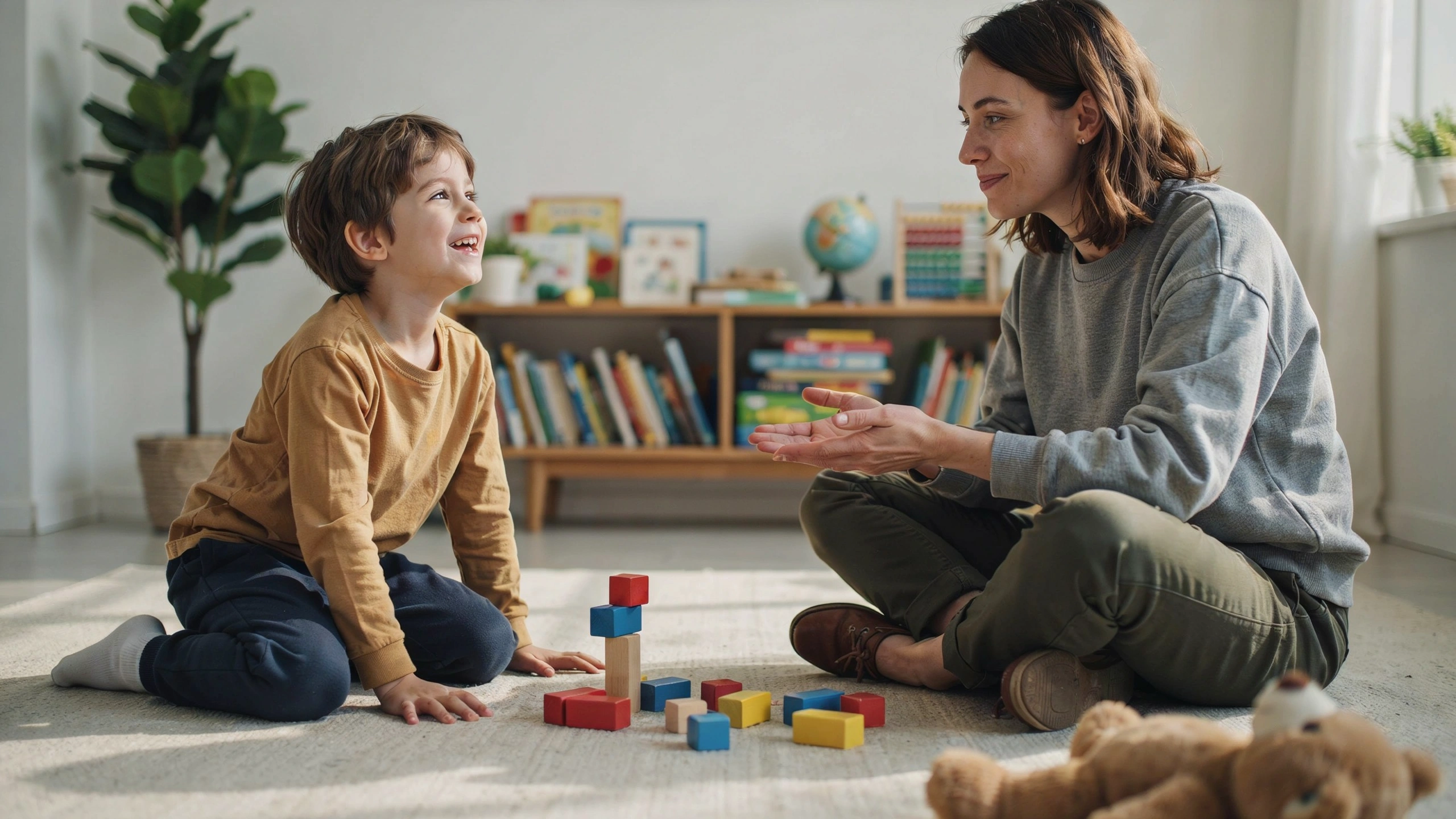
Every child makes mistakes. They may misspell a word, lose a game, forget their homework, or struggle to solve a difficult puzzle. While these moments can be frustrating, they also provide valuable opportunities for growth. The way children respond to mistakes often shapes their confidence, resilience, and willingness to try new things.
When parents create an environment where mistakes are viewed as part of the learning process, children become more confident, curious, and willing to face challenges. Instead of fearing failure, they begin to see every setback as a chance to improve.
Why Mistakes Are Important
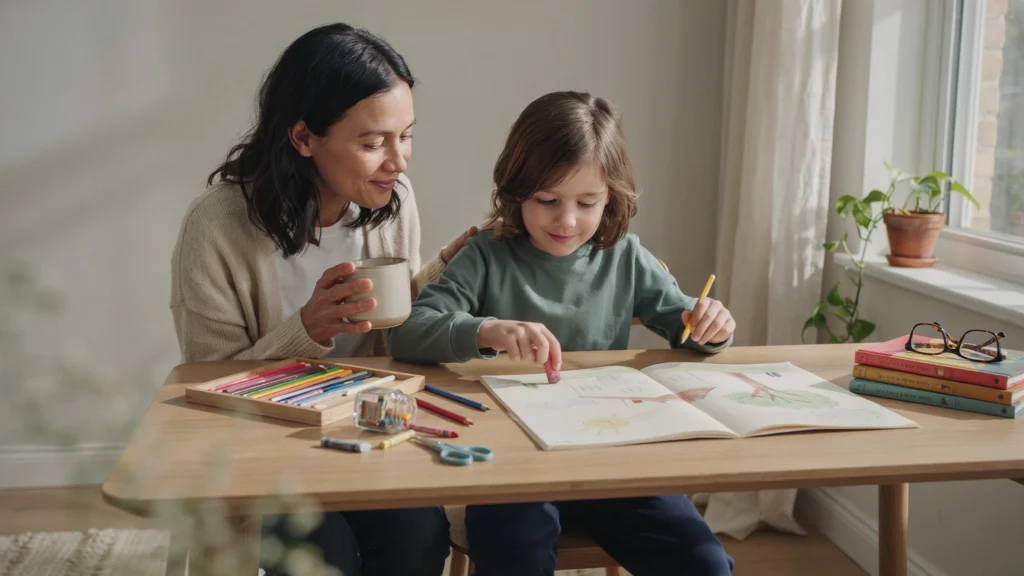
Mistakes are a natural part of learning. Every new skill requires practice, patience, and repeated attempts.
Children who learn to accept mistakes are more likely to:
- Develop resilience.
- Build self-confidence.
- Strengthen problem-solving skills.
- Become more independent.
- Take healthy risks in learning.
- Remain motivated after setbacks.
Understanding that mistakes are temporary helps children develop a positive attitude toward challenges.
Change the Way You Talk About Mistakes
The language parents use has a powerful impact on how children view failure.
Instead of saying:
- “That’s wrong.”
- “You should have known that.”
Try saying:
- “Let’s see what we can learn from this.”
- “Mistakes help us grow.”
- “You’re improving every time you try.”
- “What could you do differently next time?”
These encouraging responses teach children that learning is more important than perfection.
Share Your Own Mistakes
Children often believe that adults never make mistakes.
Show them that everyone continues learning by sharing your own experiences.
For example:
- “I forgot my keys today.”
- “I burned dinner, but now I know what to do differently.”
- “I made a mistake at work and learned something valuable.”
Seeing adults handle mistakes calmly teaches children to do the same.
Encourage Reflection Instead of Blame
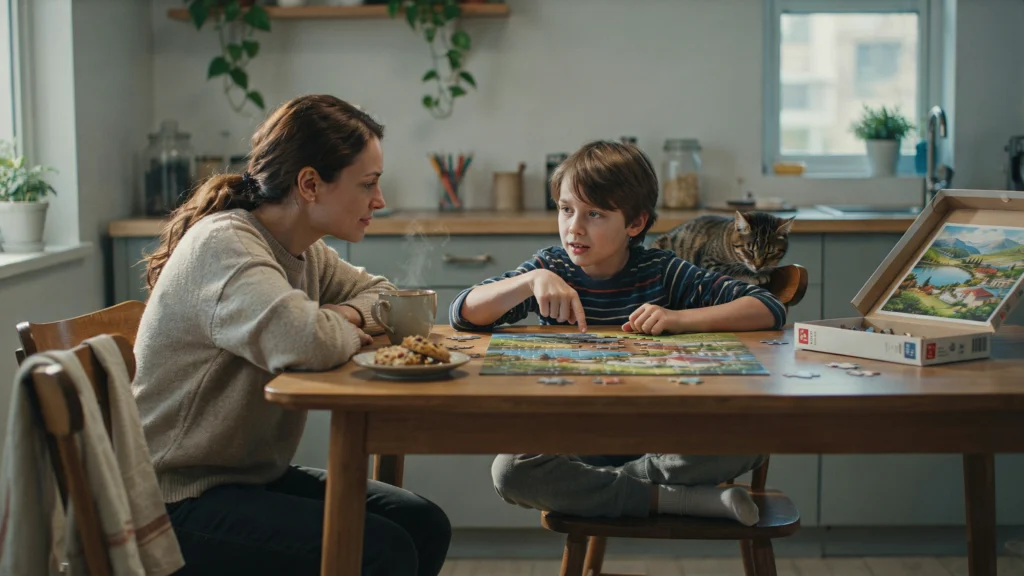
When something goes wrong, help children think about the experience rather than focusing on the error.
Ask questions such as:
- What happened?
- What did you learn?
- What worked well?
- What would you change next time?
- What could you try differently?
Reflection transforms mistakes into valuable learning experiences.
Praise Effort and Persistence
Children benefit most when adults recognize determination rather than perfect performance.
Instead of saying:
- “You’re so smart.”
Try saying:
- “You worked really hard.”
- “I noticed you didn’t give up.”
- “You kept trying different solutions.”
- “Your patience helped you improve.”
This encourages children to value effort over immediate success.
Avoid Comparing Children
Every child learns at their own pace.
Comparisons with siblings, classmates, or friends can reduce confidence and increase fear of failure.
Instead, celebrate each child’s personal progress by recognizing improvements, no matter how small.
Learning becomes more enjoyable when children compete only with their previous efforts.
Turn Challenges into Opportunities
When children face difficult situations, encourage them to see challenges as opportunities to grow.
For example:
- A difficult puzzle strengthens problem-solving.
- A challenging book improves reading skills.
- Losing a game teaches perseverance.
- Forgetting homework encourages better organization.
Every obstacle offers a valuable lesson.
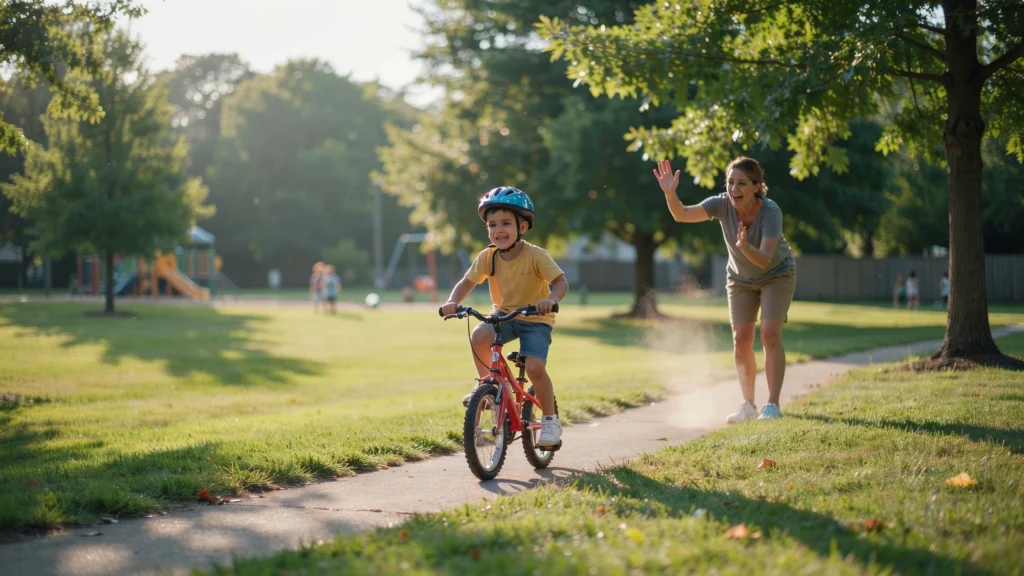
Create a Safe Learning Environment
Children are more willing to try new things when they know mistakes are accepted.
Parents can create this environment by:
- Remaining patient.
- Listening without criticism.
- Encouraging questions.
- Celebrating progress.
- Allowing children to solve problems independently.
- Offering support rather than judgment.
A safe environment builds confidence and curiosity.
Teach the Value of Trying Again
Many successful people achieved their goals only after repeated failures.
Help children understand that improvement comes through practice.
Simple reminders such as:
- “Every expert was once a beginner.”
- “Practice helps us improve.”
- “Success often comes after many attempts.”
can inspire children to keep moving forward.
Building Resilience for Life
Children who learn to embrace mistakes develop one of life’s most valuable qualities: resilience. They understand that setbacks are temporary, effort leads to improvement, and every challenge offers a chance to learn something new.
By responding to mistakes with patience, encouragement, and understanding, parents help children replace fear with confidence. Instead of avoiding difficult tasks, they become eager to explore, experiment, and grow.
The goal is not to raise children who never make mistakes—it is to raise children who are brave enough to learn from them. Those lessons will guide them through school, relationships, careers, and every new adventure they encounter throughout life.