
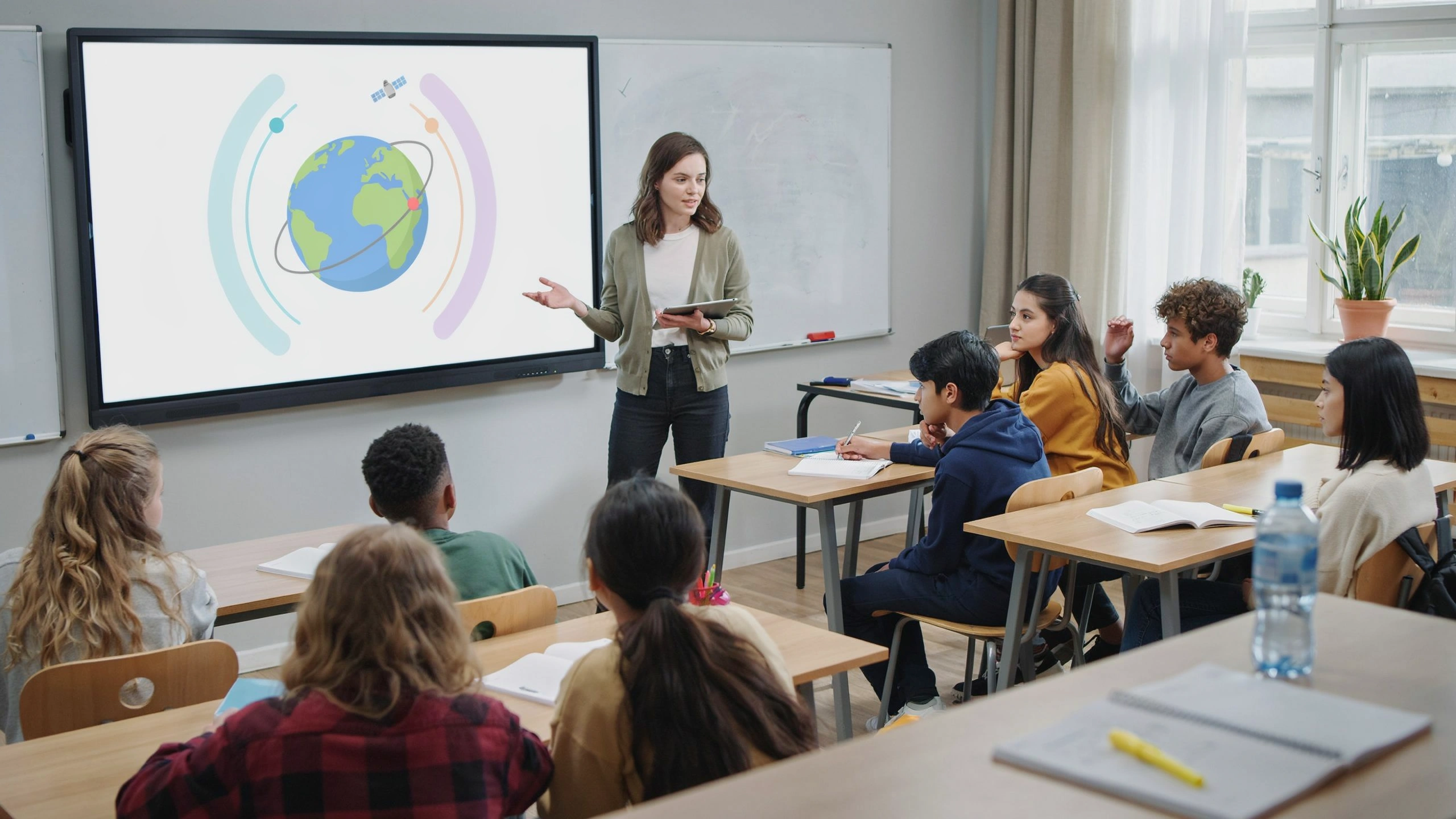
The rapid advancement of digital technology has transformed education in countless ways, and one of the most influential innovations is video-based learning. Educational videos have become an essential teaching resource in schools, universities, and online learning platforms. They allow educators to present information in dynamic, visual, and engaging ways while giving students the flexibility to learn at their own pace.
From short instructional clips to interactive lessons and recorded lectures, video-based learning has proven to be an effective method for increasing student engagement, improving knowledge retention, and supporting diverse learning styles. As classrooms continue to embrace digital transformation, videos are becoming a central component of modern education.
What Is Video-Based Learning?
Video-based learning is an instructional approach that uses video content to teach concepts, explain processes, demonstrate skills, and support classroom instruction. Videos may be created by teachers, educational organizations, universities, or professional content creators.
Educational videos come in many formats, including:
- Recorded classroom lectures
- Animated explainer videos
- Science demonstrations
- Documentary films
- Interactive video lessons
- Tutorial videos
- Screencasts
- Student-created video projects
These resources can be used in traditional classrooms, blended learning environments, and fully online courses.
Why Video-Based Learning Is Effective
Videos combine images, sound, movement, and narration to create a rich learning experience. This multimedia approach helps students process information more effectively than text alone.
Video-based learning allows students to:
- Observe real-life demonstrations.
- Visualize abstract concepts.
- Learn through storytelling.
- Review lessons multiple times.
- Study independently.
Research suggests that students often remember information better when it is presented through both visual and auditory channels.
Increasing Student Engagement
One of the greatest challenges educators face is maintaining students’ attention throughout a lesson.
Educational videos naturally capture interest because they combine visuals, animations, narration, and real-world examples. Instead of passively reading long passages, students become active observers who can see concepts in action.
Engaging videos encourage learners to:
- Ask questions.
- Participate in discussions.
- Connect ideas.
- Remain focused for longer periods.
- Develop curiosity about the subject.
Higher engagement often leads to improved academic performance.
Supporting Different Learning Styles
Every student learns differently.
Video-based instruction supports multiple learning preferences by combining:
- Visual learning through graphics and animations.
- Auditory learning through explanations and narration.
- Contextual learning through real-life examples.
- Demonstration-based learning through practical activities.
This flexibility helps reach students who may struggle with traditional teaching methods.
Making Complex Concepts Easier to Understand
Many academic topics involve processes that are difficult to explain using text alone.
Videos can simplify subjects such as:
- Scientific experiments
- Mathematical procedures
- Historical events
- Engineering concepts
- Medical procedures
- Computer programming
- Geographic phenomena
Animations and step-by-step demonstrations help students build deeper understanding while reducing confusion.
Encouraging Self-Paced Learning
One major advantage of video learning is flexibility.
Students can:
- Pause lessons.
- Replay difficult sections.
- Adjust playback speed.
- Review content before exams.
- Study independently outside classroom hours.
This personalized pace supports learners with different abilities while reducing pressure during instruction.
Supporting the Flipped Classroom
Video-based learning plays an important role in the flipped classroom model.
Instead of introducing new content during class, teachers assign instructional videos as homework. Classroom time is then devoted to:
- Group discussions
- Problem-solving
- Practical activities
- Individual support
- Collaborative projects
This approach increases student participation while allowing teachers to provide more personalized guidance.
Improving Accessibility
Educational videos make learning more accessible for diverse groups of students.
Many platforms provide:
- Closed captions
- Multilingual subtitles
- Playback controls
- Mobile access
- Download options
- Screen reader compatibility
These features support students with hearing impairments, language differences, or varied learning needs.
Accessibility helps create more inclusive classrooms.
Enhancing Online and Distance Learning
During remote learning, educational videos became essential resources for maintaining instructional continuity.
Teachers can record lessons that students access anytime, ensuring flexibility for learners in different locations or time zones.
Videos also support blended learning by combining classroom instruction with online educational resources.
This flexibility makes education more resilient during unexpected disruptions.
Encouraging Student Creativity
Students do not only watch educational videos—they can also create them.
Video production projects encourage learners to:
- Research topics.
- Organize information.
- Practice communication skills.
- Develop digital literacy.
- Collaborate with classmates.
- Present knowledge creatively.
Creating videos transforms students from passive consumers into active content creators.
Challenges of Video-Based Learning
Although educational videos offer many benefits, educators should also consider potential challenges.
Passive Viewing
Watching videos without interaction may reduce active learning.
Teachers can increase engagement by including:
- Discussion questions
- Quizzes
- Reflection activities
- Group conversations
Screen Time
Excessive video use may contribute to eye strain and reduced physical activity.
Schools should balance digital learning with offline experiences.
Internet Access
Streaming high-quality videos requires reliable internet access, which may not be available to every learner.
Providing downloadable content can improve accessibility.
Content Quality
Not every educational video is accurate or pedagogically effective.
Teachers should carefully evaluate resources before incorporating them into lessons.
Best Practices for Using Educational Videos
Effective video-based learning includes:
- Keeping videos concise and focused.
- Aligning content with learning objectives.
- Encouraging active participation.
- Combining videos with classroom discussions.
- Including interactive assessments.
- Providing opportunities for reflection.
- Allowing students to revisit content as needed.
Videos should enhance—not replace—quality teaching.
The Future of Video-Based Learning
Emerging technologies will continue to improve educational videos.
Future innovations may include:
- Artificial Intelligence-generated personalized videos.
- Interactive video lessons with embedded quizzes.
- Virtual Reality video experiences.
- Augmented Reality demonstrations.
- Adaptive video recommendations.
- Automatic language translation.
- Real-time learning analytics.
These developments will create even more engaging and personalized learning experiences.
Conclusion
Video-based learning has become one of the most effective educational technologies for increasing student engagement, improving understanding, and supporting flexible learning. By combining visual demonstrations, expert explanations, and interactive content, educational videos help students grasp complex concepts while learning at their own pace.
Although videos should complement rather than replace traditional instruction, they provide tremendous value when thoughtfully integrated into the curriculum. As digital education continues to evolve, video-based learning will remain a powerful tool for creating engaging, inclusive, and student-centered classrooms that prepare learners for success in the digital age.