
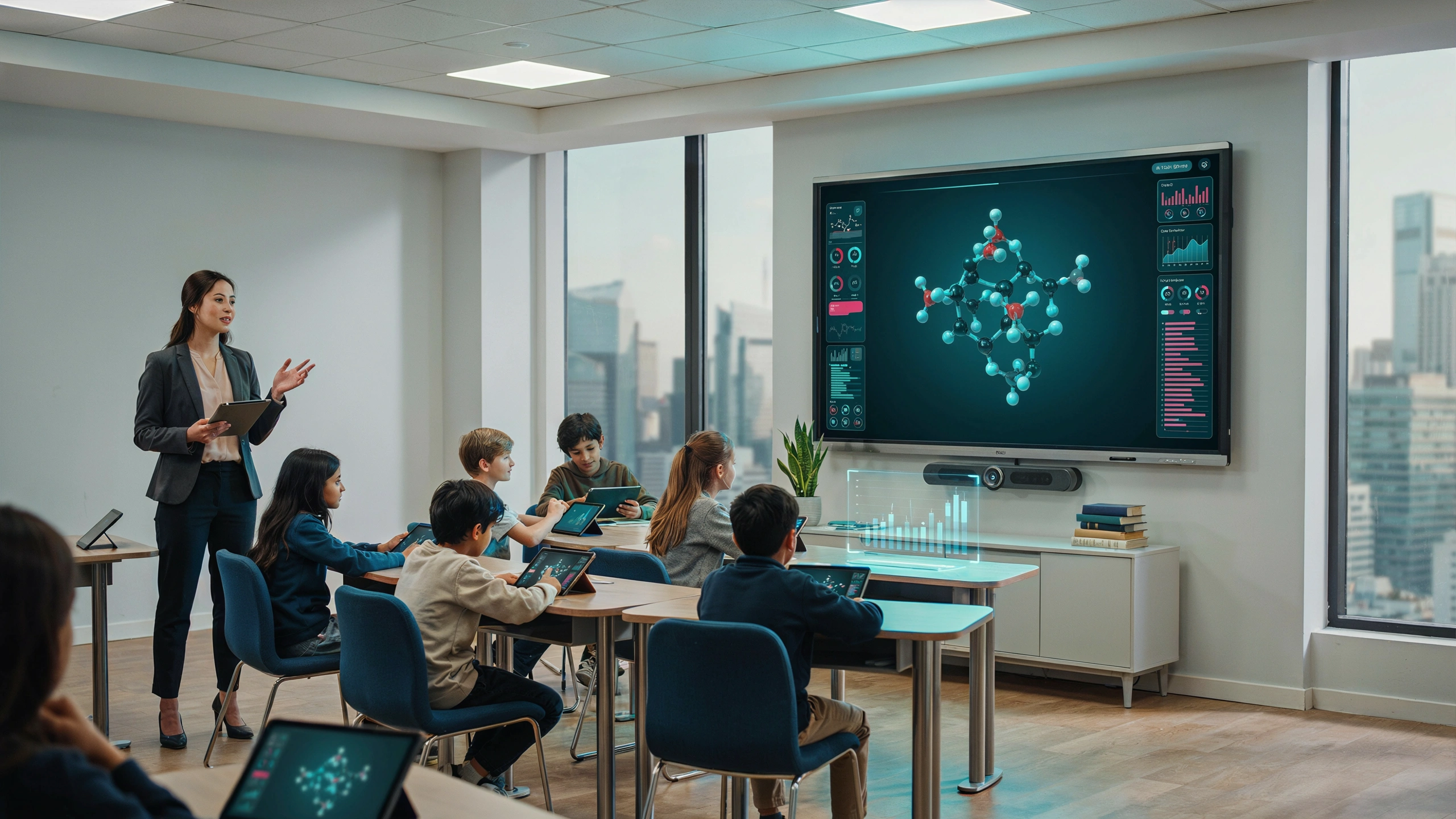
The classroom has undergone a remarkable transformation over the past two decades. Traditional blackboards, printed textbooks, and overhead projectors are gradually being replaced by interactive displays, cloud-based learning platforms, high-speed internet, artificial intelligence, and connected devices. These innovations have given rise to smart classrooms, technology-enhanced learning environments designed to improve teaching, increase student engagement, and prepare learners for the digital future.
Smart classrooms combine modern educational technology with effective teaching strategies to create interactive, collaborative, and personalized learning experiences. Rather than replacing teachers, smart technologies empower educators with tools that make lessons more dynamic, data-driven, and student-centered.
As schools continue to embrace digital transformation, smart classrooms are becoming a key element of 21st-century education.
What Is a Smart Classroom?
A smart classroom is a learning environment equipped with digital technologies that enhance teaching and learning. These classrooms integrate hardware, software, and internet-based resources to create interactive educational experiences.
Common features of a smart classroom include:
- Interactive whiteboards
- Digital projectors
- High-speed Wi-Fi
- Student laptops or tablets
- Learning Management Systems (LMS)
- Cloud-based collaboration tools
- Educational applications
- Artificial Intelligence learning assistants
- Video conferencing systems
- Digital assessment platforms
These technologies work together to create flexible and engaging learning environments.
Enhancing Student Engagement
One of the greatest advantages of smart classrooms is their ability to increase student engagement.
Traditional lectures often encourage passive learning, while smart classrooms promote active participation through multimedia presentations, interactive quizzes, educational games, and collaborative projects.
Students become more involved by:
- Answering live polls.
- Participating in digital discussions.
- Solving interactive challenges.
- Collaborating on shared documents.
- Exploring virtual simulations.
Interactive lessons capture attention and make learning more enjoyable.
Personalized Learning Experiences
Every student learns differently.
Smart classrooms support personalized instruction by using educational technology to adapt lessons according to individual learning needs.
Teachers can:
- Assign different activities to different students.
- Monitor learning progress in real time.
- Identify struggling learners quickly.
- Recommend personalized resources.
- Adjust lesson difficulty.
Artificial Intelligence and learning analytics provide valuable insights that help educators support every student more effectively.
Improving Teacher Effectiveness
Technology allows teachers to spend less time on administrative tasks and more time supporting students.
Smart classroom tools help teachers:
- Organize lesson materials.
- Automate attendance.
- Grade assignments efficiently.
- Monitor classroom participation.
- Track academic performance.
- Share digital resources instantly.
This improved efficiency enables educators to focus on meaningful instruction and student interaction.
Supporting Collaborative Learning
Modern workplaces emphasize teamwork, communication, and collaboration.
Smart classrooms encourage these skills through digital collaboration tools that allow students to:
- Work on group projects.
- Share documents.
- Exchange ideas.
- Solve problems together.
- Present collaborative research.
Students learn to communicate effectively while developing leadership and interpersonal skills.
Integrating Multimedia Resources
Smart classrooms make it easy to incorporate a wide variety of educational resources into daily lessons.
Teachers can use:
- Educational videos
- Interactive simulations
- Virtual laboratory experiments
- Digital textbooks
- Podcasts
- Online articles
- Educational games
- Live demonstrations
Using multiple forms of media helps students understand concepts through different learning approaches.
Supporting Inclusive Education
Technology makes classrooms more accessible for students with diverse learning needs.
Smart classroom technologies may include:
- Speech-to-text software
- Text-to-speech readers
- Closed captions
- Language translation tools
- Adjustable font sizes
- Screen readers
- Adaptive learning platforms
These accessibility features help ensure that every student has equal opportunities to participate and succeed.
Real-Time Assessment and Feedback
Smart classrooms allow teachers to assess learning continuously rather than relying solely on traditional examinations.
Digital assessment tools provide:
- Instant quiz results
- Immediate feedback
- Performance analytics
- Progress reports
- Personalized recommendations
Students receive timely guidance that helps them improve before misconceptions become long-term learning difficulties.
Encouraging Independent Learning
Smart classrooms extend learning beyond school walls.
Students can access:
- Recorded lessons
- Online assignments
- Digital libraries
- Educational videos
- Interactive exercises
- Cloud-based notes
This flexibility encourages self-directed learning and allows students to review materials whenever needed.
Independent learning helps students develop responsibility and confidence.
Preparing Students for Future Careers
Digital literacy has become essential in nearly every profession.
Smart classrooms help students develop valuable skills such as:
- Technology proficiency
- Information literacy
- Digital communication
- Online collaboration
- Critical thinking
- Problem-solving
- Creativity
These competencies prepare learners for higher education and an increasingly technology-driven workforce.
Strengthening Parent-Teacher Communication
Many smart classroom systems include communication platforms that connect teachers, students, and parents.
Parents can:
- Monitor academic progress.
- Receive assignment updates.
- View attendance records.
- Communicate with teachers.
- Support learning at home.
Improved communication strengthens the partnership between families and schools.
Challenges of Smart Classrooms
Despite their many advantages, smart classrooms also present several challenges.
Technology Costs
Installing digital equipment requires significant financial investment.
Schools must budget for hardware, software, maintenance, and technical support.
Teacher Training
Educators need ongoing professional development to use technology effectively and confidently.
Technology alone cannot improve learning without skilled teachers.
Digital Equity
Not every school has equal access to devices or reliable internet connections.
Reducing the digital divide remains an important educational priority.
Cybersecurity
As classrooms become increasingly connected, schools must protect student data through strong cybersecurity practices and privacy policies.
Best Practices for Smart Classroom Implementation
Schools can maximize the benefits of smart classrooms by:
- Aligning technology with educational objectives.
- Providing regular teacher training.
- Encouraging active student participation.
- Maintaining reliable technical support.
- Monitoring learning outcomes.
- Protecting student privacy.
- Combining digital tools with effective teaching methods.
Successful implementation depends on thoughtful planning rather than simply purchasing technology.
The Future of Smart Classrooms
The next generation of smart classrooms will incorporate even more advanced technologies.
Future innovations may include:
- AI-powered teaching assistants
- Virtual Reality learning environments
- Augmented Reality classroom experiences
- Internet of Things (IoT) devices
- Intelligent learning analytics
- Voice-controlled educational systems
- Fully personalized digital learning environments
These technologies will continue to redefine how students learn and how teachers deliver instruction.
Conclusion
Smart classrooms represent the future of education by combining innovative technology with student-centered teaching practices. Through interactive learning, personalized instruction, real-time assessment, collaborative tools, and improved accessibility, smart classrooms create engaging educational experiences that prepare students for success in the digital age.
While schools must address challenges such as cost, teacher training, cybersecurity, and equitable access, the benefits of smart classrooms are undeniable. As technology continues to evolve, these intelligent learning environments will play an increasingly important role in shaping education, empowering teachers, and helping students develop the knowledge and skills needed to thrive in the 21st century.