
Introduction
Respect and acceptance are fundamental values that help create safe, supportive, and inclusive learning environments. In today’s diverse classrooms, students interact with peers who may have different cultures, languages, abilities, beliefs, and life experiences. Learning to appreciate these differences is just as important as mastering academic subjects.
Inclusive classroom activities provide meaningful opportunities for students to develop empathy, challenge stereotypes, and build positive relationships. Rather than teaching respect as an abstract concept, these activities allow students to practice kindness, cooperation, and understanding in their daily interactions. When respect and acceptance become part of the classroom culture, every student feels valued and empowered to learn.
Why Respect and Acceptance Matter
Respect means recognizing the value and dignity of every individual, while acceptance involves welcoming people for who they are without requiring them to change to fit in.
Teaching these values helps students:
- Build positive friendships.
- Develop empathy.
- Reduce prejudice and discrimination.
- Improve communication skills.
- Strengthen teamwork.
- Create a sense of belonging.
- Prepare for life in diverse communities.
Respectful classrooms are more peaceful, productive, and inclusive.
1. Establish Shared Classroom Values
Teachers can begin the school year by working with students to create a set of shared classroom values.
These may include:
- Treat everyone with kindness.
- Listen without interrupting.
- Respect different opinions.
- Include everyone in activities.
- Help others when needed.
- Celebrate diversity.
Displaying these values in the classroom reminds students of their shared responsibility for maintaining an inclusive environment.
2. Use Cooperative Learning Activities
Group work encourages students to collaborate with classmates from different backgrounds and abilities.
Examples include:
- Team research projects.
- Science investigations.
- Problem-solving challenges.
- Partner reading.
- Collaborative art projects.
These activities teach students that everyone has unique strengths to contribute.
3. Read and Discuss Diverse Literature
Books are powerful tools for developing empathy and understanding.
Teachers can select stories that feature:
- Different cultures.
- Students with disabilities.
- Diverse family structures.
- Refugee experiences.
- Historical figures who promoted equality.
- Characters overcoming challenges.
After reading, students can discuss the characters’ experiences and reflect on lessons about kindness and inclusion.
4. Celebrate Cultural Diversity
Learning about different cultures helps students appreciate the richness of diversity.
Classroom activities may include:
- Cultural celebration days.
- International food presentations.
- Traditional music and dance.
- Storytelling from different countries.
- Multilingual greetings.
- Student presentations about family traditions.
These experiences encourage curiosity and mutual respect.
5. Practice Perspective-Taking
Perspective-taking activities help students understand how others may think and feel.
Teachers can encourage students to:
- Discuss real-life scenarios.
- Participate in role-playing activities.
- Write from another person’s point of view.
- Reflect on how actions affect others.
These exercises strengthen empathy and emotional intelligence.
6. Encourage Acts of Kindness
Small acts of kindness help create a positive classroom atmosphere.
Teachers can organize activities such as:
- Kindness challenges.
- Compliment circles.
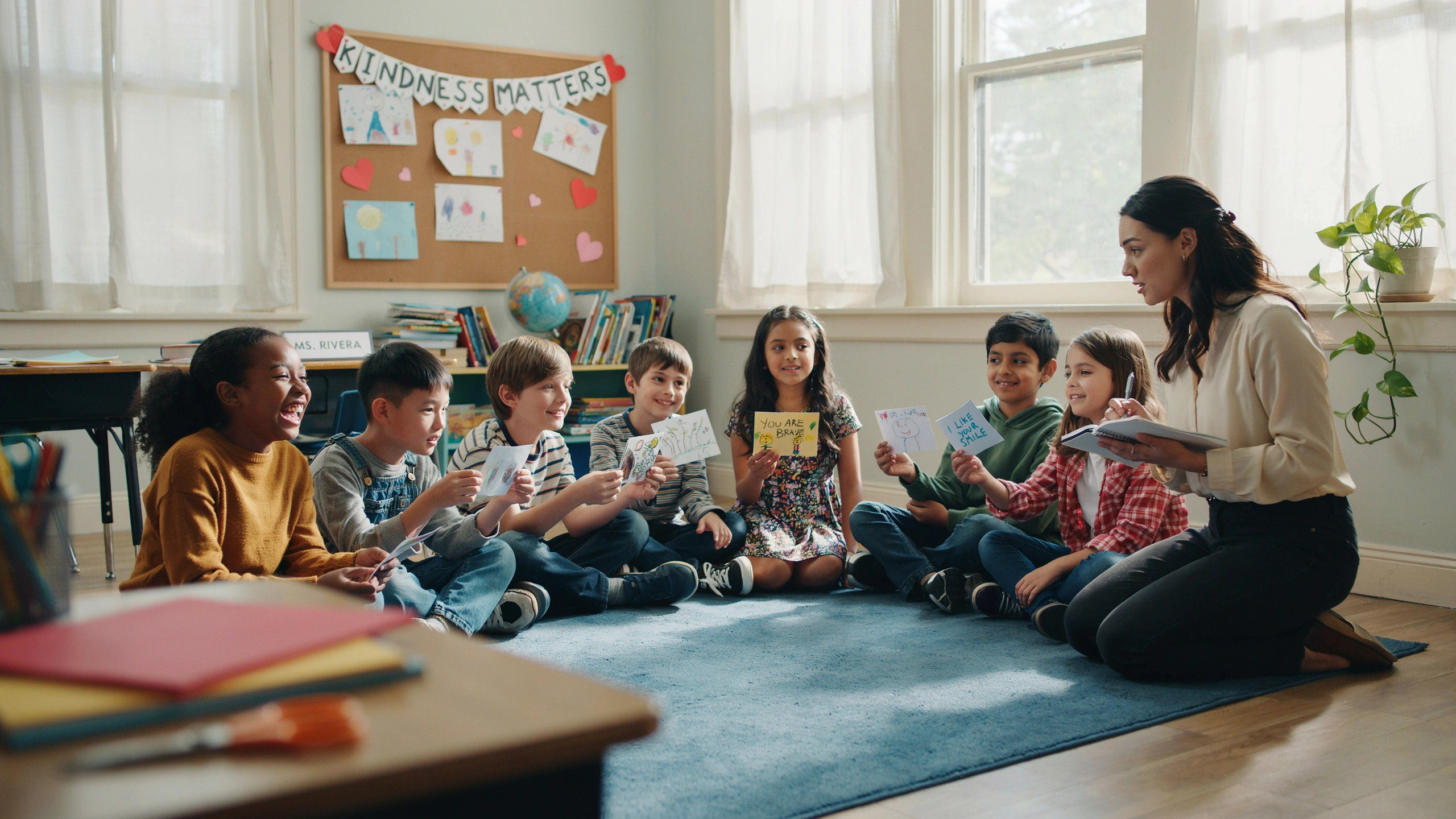
- Peer appreciation notes.
- Classroom gratitude journals.
- Helping partnerships.
Recognizing kind behavior reinforces positive social interactions.
7. Address Stereotypes and Bias
Students may develop stereotypes from media, society, or misunderstandings.
Teachers should create opportunities to discuss:
- Fairness.
- Equality.
- Respect.
- Inclusion.
- The importance of avoiding assumptions.
- Appreciating individual differences.
Open conversations help students think critically about bias and discrimination.
8. Include Every Student in Classroom Activities
Teachers should ensure that all students can participate meaningfully.
Strategies include:
- Adapting activities when necessary.
- Providing assistive technology.
- Offering flexible participation options.
- Encouraging peer support.
- Using cooperative learning structures.
Inclusion demonstrates that every student belongs.
9. Model Respectful Behavior
Students learn by observing adults.
Teachers should consistently model:
- Polite communication.
- Active listening.
- Fair decision-making.
- Patience.
- Respect for differing opinions.
- Positive conflict resolution.
Modeling respectful behavior reinforces the values teachers expect students to demonstrate.
10. Reflect on Learning
Reflection helps students internalize lessons about respect and acceptance.
Teachers can ask questions such as:
- What did I learn about someone else today?
- How did I show respect during our activities?
- How did someone make me feel included?
- What can I do to create a more welcoming classroom?
Reflection encourages continuous personal growth.
Overcoming Challenges
Teaching respect and acceptance may involve challenges, including:
- Misunderstandings between students.
- Cultural differences.
- Existing stereotypes.
- Peer pressure.
- Limited opportunities for open discussion.
Teachers can address these challenges through patience, clear expectations, and ongoing conversations about inclusion.
Benefits Beyond the Classroom
Students who develop respect and acceptance gain lifelong skills, including:
- Empathy.
- Communication.
- Leadership.
- Collaboration.
- Conflict resolution.
- Emotional intelligence.
- Global awareness.
- Social responsibility.
These skills prepare students to succeed in diverse schools, workplaces, and communities.
Conclusion
Teaching respect and acceptance is essential for creating truly inclusive classrooms. Through cooperative learning, diverse literature, cultural celebrations, kindness activities, and meaningful discussions, teachers can help students recognize the value of every individual.
Inclusion is built through daily actions that encourage understanding, compassion, and mutual respect. When students learn to appreciate differences rather than fear them, classrooms become communities where everyone feels welcomed, supported, and valued. By nurturing respect and acceptance, educators prepare young people not only for academic success but also for responsible and compassionate citizenship in an increasingly diverse world.