
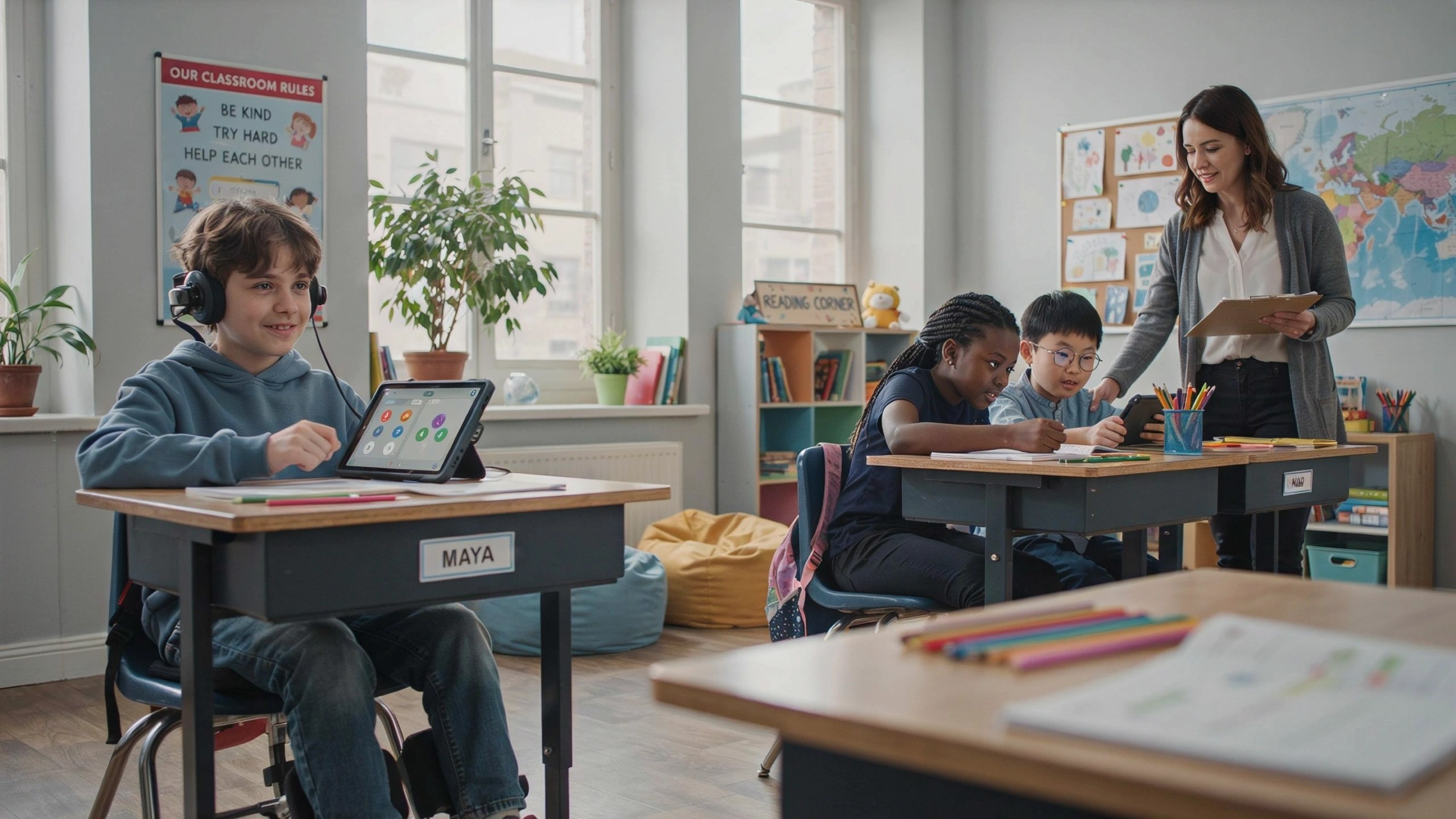
Introduction
One of the primary goals of inclusive education is to help every student develop the skills, confidence, and independence needed to succeed both in school and beyond. For students with disabilities, independence does not mean completing every task without support. Instead, it means learning how to use available resources, make informed decisions, solve problems, and advocate for their own needs.
Empowering students to become independent learners is a gradual process that requires encouragement, appropriate support, and high expectations. When educators focus on building independence rather than dependence, students gain the confidence to take responsibility for their learning, overcome challenges, and prepare for lifelong success.
What Is Independent Learning?
Independent learning is the ability of students to take an active role in their education by managing their learning processes, setting goals, monitoring progress, and seeking help when necessary.
Independent learners are able to:
- Set realistic learning goals.
- Organize their work.
- Make informed decisions.
- Solve problems independently.
- Reflect on their progress.
- Use available resources effectively.
- Advocate for their own learning needs.
These skills help students become more confident and self-reliant throughout their lives.
Why Independence Matters
Encouraging independence provides benefits that extend far beyond academic achievement.
Independent learners often demonstrate:
- Greater self-confidence.
- Higher motivation.
- Improved problem-solving skills.
- Better decision-making abilities.
- Increased resilience.
- Stronger self-esteem.
- Greater readiness for higher education and employment.
Developing independence helps students prepare for adulthood and active participation in society.
1. Maintain High Expectations
Students with disabilities should be encouraged to achieve their full potential.
Teachers can promote independence by:
- Setting challenging but achievable goals.
- Focusing on students’ strengths.
- Encouraging effort and persistence.
- Celebrating progress rather than perfection.
- Avoiding unnecessary dependence on adult assistance.
High expectations communicate confidence in students’ abilities.
2. Teach Self-Advocacy Skills
Self-advocacy enables students to communicate their needs and make informed decisions about their learning.
Teachers can encourage students to:
- Ask questions when they need clarification.
- Request appropriate accommodations.
- Explain their learning preferences.
- Participate in educational planning.
- Reflect on their strengths and challenges.
These skills promote confidence and responsibility.
3. Encourage Goal Setting
Setting personal goals helps students take ownership of their learning.
Teachers can guide students to create goals that are:
- Specific.
- Measurable.
- Achievable.
- Relevant.
- Time-bound.
Regularly reviewing goals helps students recognize their progress and adjust strategies when needed.
4. Teach Organizational Skills
Good organization supports independent learning.
Teachers can introduce tools such as:
- Daily planners.
- Checklists.
- Visual schedules.
- Digital calendars.
- Color-coded folders.
- Task management apps.
These strategies help students manage assignments and responsibilities effectively.
5. Use Assistive Technology
Assistive technology can increase independence by reducing barriers to learning.
Useful tools include:
- Text-to-speech software.
- Speech-to-text applications.
- Digital note-taking tools.
- Audiobooks.
- Screen readers.
- Organizational apps.
When students learn to use these tools confidently, they become less dependent on constant adult support.
6. Encourage Problem-Solving
Rather than immediately providing answers, teachers should encourage students to think through challenges.
Questions such as the following promote independent thinking:
- What have you already tried?
- What resources could help you?
- Is there another way to solve this problem?
- Who could support you if needed?
Guided problem-solving develops critical thinking and resilience.
7. Provide Opportunities for Choice
Choice encourages responsibility and motivation.
Students can choose:
- Project topics.
- Reading materials.
- Learning activities.
- Assessment formats.
- Group roles.
Making decisions helps students develop confidence and ownership of their education.
8. Foster Self-Reflection
Reflection helps students become more aware of their learning habits.
Teachers can ask students to consider:
- What did I learn today?
- What strategy worked best?
- What challenged me?
- How can I improve next time?
Reflection encourages continuous personal growth and independent thinking.
9. Build Strong Partnerships with Families
Families play a vital role in encouraging independence.
Teachers and families can work together by:
- Promoting consistent routines.
- Encouraging students to complete tasks independently.
- Celebrating achievements.
- Gradually reducing unnecessary assistance.
- Sharing strategies that support independence at home and school.
Consistent expectations strengthen students’ confidence.
10. Celebrate Progress
Building independence is a gradual journey.
Teachers should recognize achievements such as:
- Completing tasks independently.
- Asking appropriate questions.
- Using assistive technology successfully.
- Managing time effectively.
- Solving problems without immediate assistance.
Celebrating progress motivates students to continue developing independent learning skills.
Challenges in Promoting Independence
Teachers may encounter challenges including:
- Students’ fear of making mistakes.
- Overreliance on adult support.
- Limited access to assistive technology.
- Time constraints.
- Differences in individual learning needs.
Patience, encouragement, and consistent practice help students overcome these challenges.
Benefits Beyond the Classroom
Independent learning prepares students for lifelong success by developing:
- Responsibility.
- Confidence.
- Critical thinking.
- Decision-making skills.
- Adaptability.
- Self-advocacy.
- Resilience.
- Lifelong learning habits.
These qualities support success in higher education, employment, and everyday life.
Conclusion
Empowering students with disabilities to become independent learners is one of the most valuable goals of inclusive education. By maintaining high expectations, teaching self-advocacy, encouraging goal setting, developing organizational skills, and promoting problem-solving, educators help students build the confidence and abilities they need to succeed.
Independence is not about removing support—it is about providing the right support at the right time while gradually encouraging students to take greater responsibility for their learning. When students are empowered to make choices, overcome challenges, and believe in their own abilities, they become active participants in their education and confident learners who are prepared for the opportunities and responsibilities of the future.