
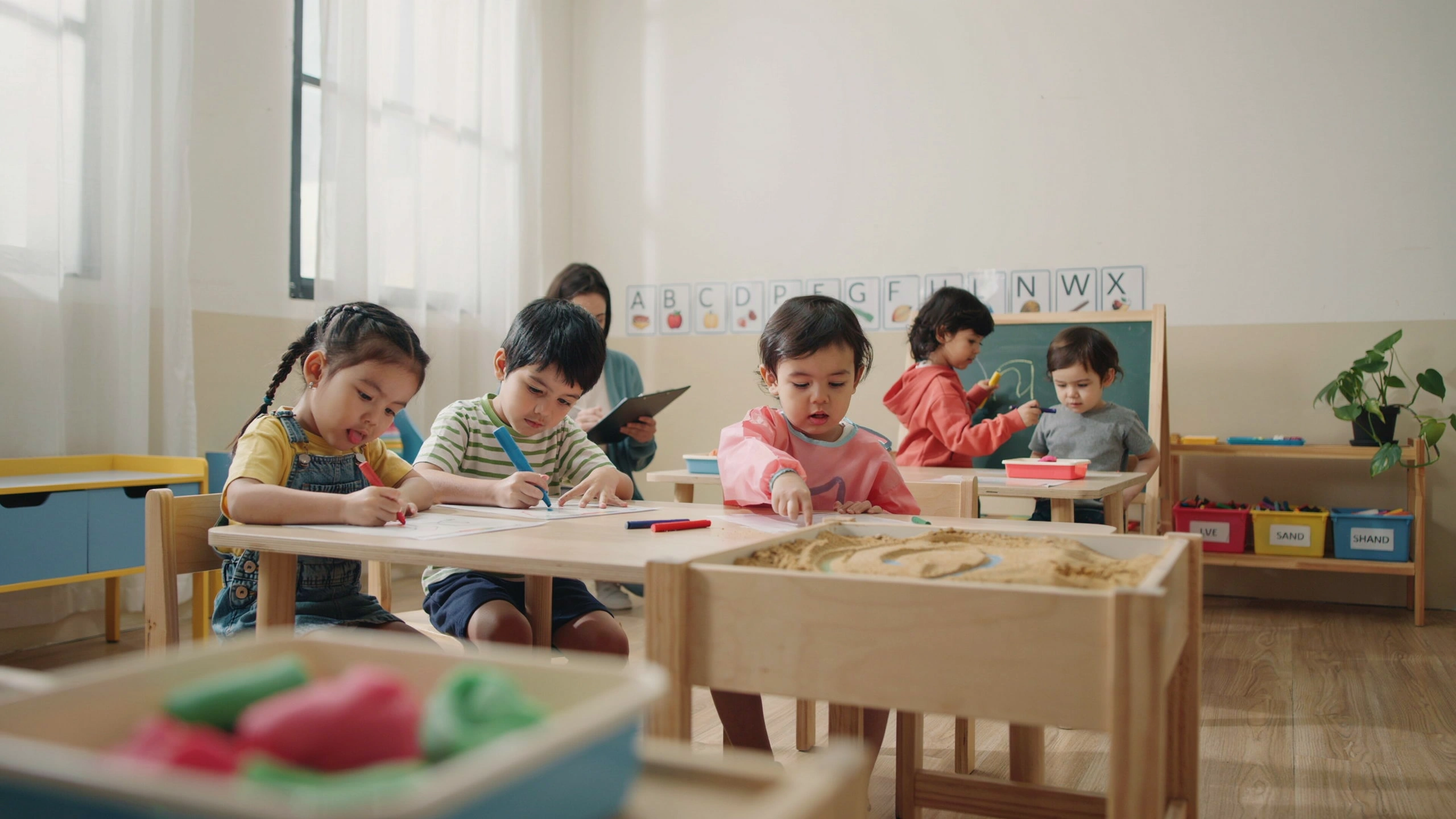
Learning to write begins long before children can form complete words. One of the most effective ways to prepare young learners for handwriting is through letter tracing games. These playful activities help children become familiar with letter shapes while strengthening the small muscles in their hands and fingers. As children trace, draw, and create letters, they develop the coordination and control needed for confident writing.
Whether you’re a parent, teacher, or homeschool educator, letter tracing games offer a fun and engaging way to combine literacy with fine motor development.
Why Letter Tracing Is Important
Letter tracing is more than simply copying shapes. It teaches children how letters are formed while improving the physical skills required for writing.
Regular tracing activities help children:
- Recognize uppercase and lowercase letters.
- Learn correct letter formation.
- Develop pencil control.
- Strengthen finger and hand muscles.
- Improve hand-eye coordination.
- Increase concentration and patience.
- Build confidence before independent writing.
When tracing is presented as a game rather than a task, children are more likely to stay motivated and enjoy practicing.
1. Rainbow Letter Tracing
Write large letters on paper using a black marker.
Children trace each letter several times using different colored crayons or markers. Each layer creates a bright rainbow effect.
This activity helps children:
- Memorize letter shapes.
- Improve pencil grip.
- Practice smooth hand movements.
- Stay engaged through colorful creativity.
The finished artwork can be displayed to celebrate their progress.
2. Sandpaper Letter Tracing
Create letters from sandpaper and glue them onto sturdy cards.
Invite children to trace each textured letter slowly with one or two fingers while saying the letter name and sound.
The rough texture provides sensory feedback that helps reinforce memory and proper letter formation.
3. Salt Tray Letter Writing
Pour a thin layer of salt into a shallow tray.
Children use their fingers to trace letters directly in the salt. If they make a mistake, simply shake the tray gently and try again.
This activity encourages:
- Gentle finger control.
- Repeated practice.
- Sensory exploration.
- Early handwriting confidence.
It is easy to prepare and requires very few materials.
4. Playdough Letter Tracing
Roll playdough into long ropes and shape them into letters.
Children compare their creations with alphabet cards and make adjustments as needed.
Building letters by hand strengthens finger muscles while helping children understand each letter’s structure.
5. Finger Paint Letter Fun
Spread washable finger paint onto large sheets of paper.
Show children how to trace letters using one finger.
As they create each letter, encourage them to:
- Say the letter name.
- Repeat the letter sound.
- Think of a word beginning with that letter.
This messy activity combines sensory learning with early literacy.
6. Cotton Swab Painting
Instead of using paintbrushes, children dip cotton swabs into paint and carefully trace large letter outlines.
This simple variation develops:
- Precision.
- Hand stability.
- Pencil-like control.
- Visual attention.
Children often enjoy using unusual art tools.
7. Dry Erase Letter Practice
Place reusable alphabet worksheets inside clear plastic sleeves or laminate them.
Children use dry erase markers to trace letters repeatedly before wiping the page clean.
This reusable activity encourages frequent practice without wasting paper.
8. Sidewalk Chalk Letter Race
Take learning outdoors by drawing giant letters on a sidewalk or driveway using colorful chalk.
Children can:
- Walk along the letter.
- Trace it with chalk.
- Jump from one letter to another.
- Race to complete the alphabet.
Large movements strengthen body awareness while reinforcing letter recognition.
9. Alphabet Sticker Tracing
Write large bubble letters on paper.
Children carefully place small stickers along each letter outline until the shape is complete.
This activity strengthens:
- Finger coordination.
- Precision.
- Hand muscles.
- Visual tracking.
Sticker activities are especially popular with preschoolers.
10. Trace and Find Game
Hide several letter cards around the room.
Each time children find a letter, they return to the table and trace it on paper, a whiteboard, or a sensory tray.
This game combines movement with handwriting practice, keeping children active and motivated.
Tips for Successful Letter Tracing Activities
Introduce only a few letters at a time, especially for beginners.
Demonstrate the correct starting point and direction for each letter.
Use large letters before moving to smaller handwriting practice.
Offer frequent encouragement and celebrate effort rather than perfection.
Keep practice sessions short—10 to 15 minutes is usually enough for preschool-aged children.
Rotate tracing materials regularly to keep activities fresh and exciting.
Common Mistakes to Avoid
Avoid expecting perfect handwriting from young learners.
The goal is developing coordination and familiarity with letter shapes, not flawless writing.
Do not force children to repeat the same letter too many times in one session.
Too much repetition can reduce motivation.
Avoid relying only on worksheets.
Hands-on tracing experiences using sensory materials and games often produce better learning outcomes.
Conclusion
Letter tracing games provide an enjoyable and effective way to prepare children for handwriting while strengthening fine motor skills. Whether children are tracing letters in salt, painting with their fingers, shaping playdough, or decorating bubble letters with stickers, every activity supports both literacy and physical development.
By making tracing playful and engaging, parents and educators help children build confidence, improve coordination, and develop the essential skills needed for future reading and writing success. With regular practice and plenty of encouragement, every traced letter becomes another step toward becoming a confident writer.