
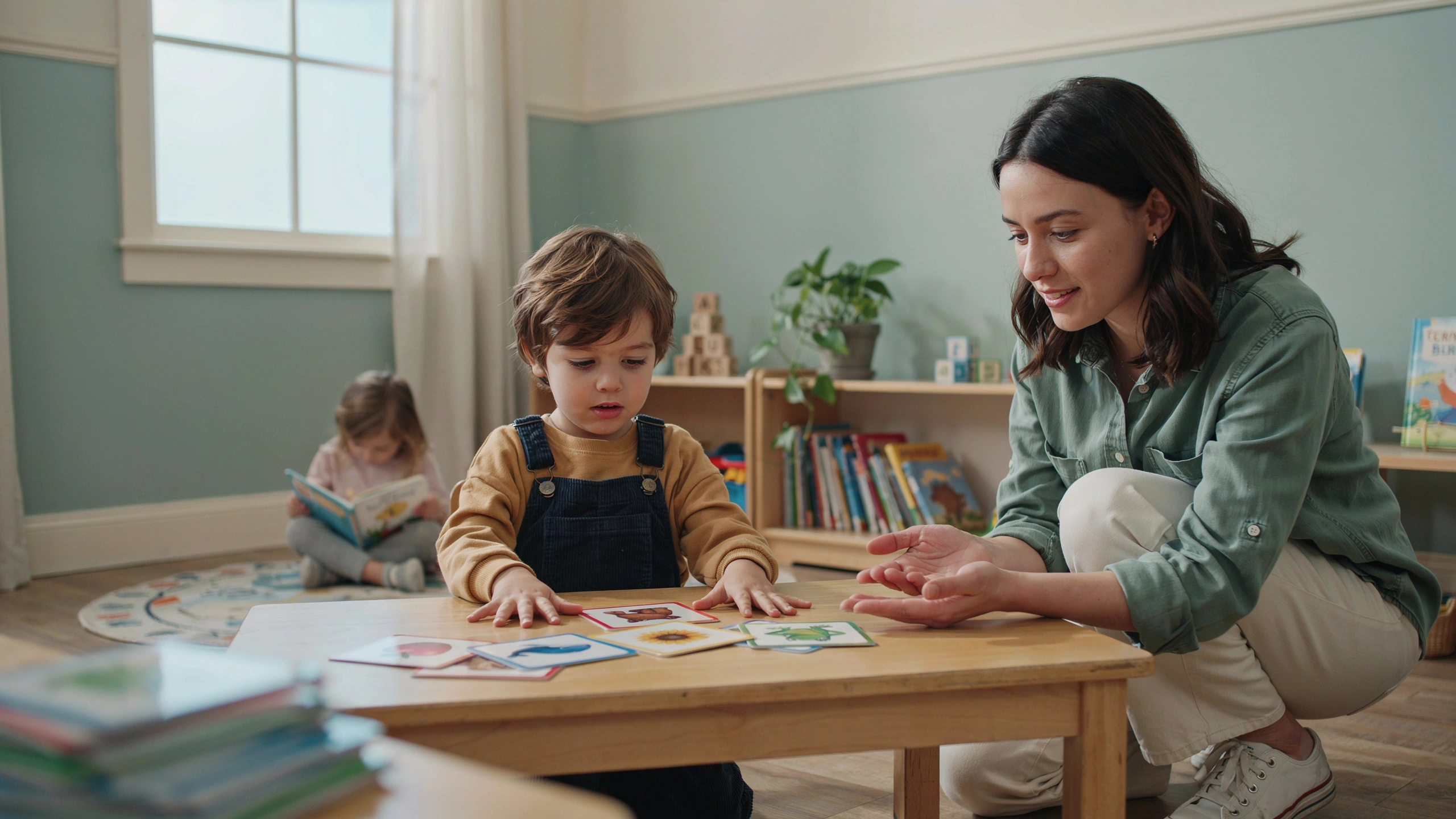
Picture recall activities are among the most effective ways to strengthen children’s visual processing skills. By carefully observing images and remembering important details, children develop the ability to recognize patterns, identify objects, and recall visual information more accurately. These skills are essential for reading, writing, mathematics, and everyday learning.
Unlike passive screen time, picture recall games encourage children to actively engage with what they see. They learn to focus, observe carefully, and describe images using their own words. Whether using photographs, story illustrations, or homemade picture cards, these activities make learning both enjoyable and meaningful.
In this article, you’ll discover creative picture recall activities that help children improve visual memory, attention, and observation while building strong visual processing skills.
What Are Visual Processing Skills?
Visual processing refers to the brain’s ability to interpret, organize, and remember information received through the eyes. It is different from eyesight. A child may have perfect vision but still need practice processing and recalling visual information.
Children use visual processing skills to:
- Recognize letters and numbers
- Read words and sentences
- Identify shapes and patterns
- Follow picture instructions
- Complete puzzles
- Copy drawings
- Remember locations of objects
Strong visual processing supports learning across every school subject.
Why Picture Recall Activities Are Effective
Picture recall games encourage children to examine an image carefully before trying to remember its details.
These activities help strengthen:
- Visual memory
- Observation skills
- Attention to detail
- Concentration
- Working memory
- Vocabulary development
- Critical thinking
- Descriptive language
Because children enjoy looking at colorful pictures, they often stay focused for longer periods.
1. Picture Observation Challenge
Show a detailed picture for one minute.
After hiding it, ask questions such as:
- How many children were in the picture?
- What color was the bicycle?
- Was there a dog?
- What was the weather like?
This activity encourages careful observation and accurate recall.
2. What’s Missing in the Picture?
Display a picture containing several familiar objects.
Hide the picture briefly, then show a version with one object removed.
Children identify the missing item.
This game strengthens visual discrimination and memory.
3. Story Illustration Recall
Read a picture book together.
After reading, ask children to describe:
- The main character
- The setting
- Important objects
- Favorite scene
This activity combines reading comprehension with visual memory.
4. Sequence Picture Cards
Arrange picture cards in a logical order.
Examples include:
- Planting a seed
- Watering the plant
- Flower growing
- Picking the flower
Mix the cards and ask children to restore the original sequence.
This strengthens sequencing and logical thinking.
5. Draw From Memory
Show a simple drawing for 30 seconds.
Hide it and ask children to recreate the picture from memory.
Comparing the two drawings encourages discussion about observation and detail.
6. Spot the Changes
Display two similar pictures with small differences.
Children search carefully to identify each change.
This classic activity develops sustained attention and visual scanning.
7. Family Photo Memory Game
Use family photographs.
Allow children to study one picture before asking questions such as:
- Who was standing next to Grandma?
- What color was Dad’s shirt?
- Where was the family?
Personal photographs often increase children’s interest and motivation.
8. Nature Picture Recall
Show photographs of forests, beaches, parks, or gardens.
After viewing, ask children to remember:
- Animals
- Plants
- Colors
- Weather conditions
Nature images encourage curiosity while strengthening observation.
9. Classroom Picture Hunt
Display a classroom scene filled with educational objects.
Children answer questions such as:
- How many books were on the shelf?
- Which supplies were on the desk?
- Was the clock above the board?
This activity reinforces classroom vocabulary.
10. Mystery Picture Reveal
Cover most of a picture and reveal it one section at a time.
Children predict what the complete image might be before seeing the whole picture.
This game encourages careful observation, prediction, and visual reasoning.
Ways to Increase the Challenge
As children’s skills improve, make picture recall activities more advanced by:
- Using more detailed illustrations.
- Shortening viewing time.
- Asking more specific questions.
- Including similar-looking objects.
- Encouraging children to describe every detail.
- Combining multiple pictures into one recall activity.
These adjustments continue to strengthen visual processing.
Tips for Parents and Teachers
To maximize learning:
- Choose age-appropriate pictures.
- Minimize distractions.
- Encourage children to describe what they notice aloud.
- Ask open-ended questions.
- Praise observation instead of perfect recall.
- Repeat favorite activities with new images.
Making picture recall enjoyable encourages children to practice regularly.
Skills Developed Through Picture Recall Activities
Regular visual recall practice strengthens many essential abilities, including:
- Visual discrimination
- Working memory
- Reading readiness
- Attention span
- Critical thinking
- Vocabulary
- Communication
- Confidence
These skills help children become more successful learners across all subjects.
Final Thoughts
Picture recall activities are an enjoyable and effective way to build children’s visual processing skills. By carefully observing images, remembering details, and describing what they see, children strengthen the cognitive abilities that support reading, writing, mathematics, and everyday problem-solving.
Whether using storybooks, photographs, classroom illustrations, or homemade picture cards, these activities provide meaningful opportunities for children to develop stronger memory, sharper observation, and greater confidence. Just a few minutes of picture recall practice each day can make a lasting difference in a child’s learning journey.