
Introduction
Technology has become an essential part of modern education, transforming how students learn, collaborate, and access information. While computers, tablets, and smartphones are now common in classrooms, a new generation of devices is beginning to influence education: wearable technology.
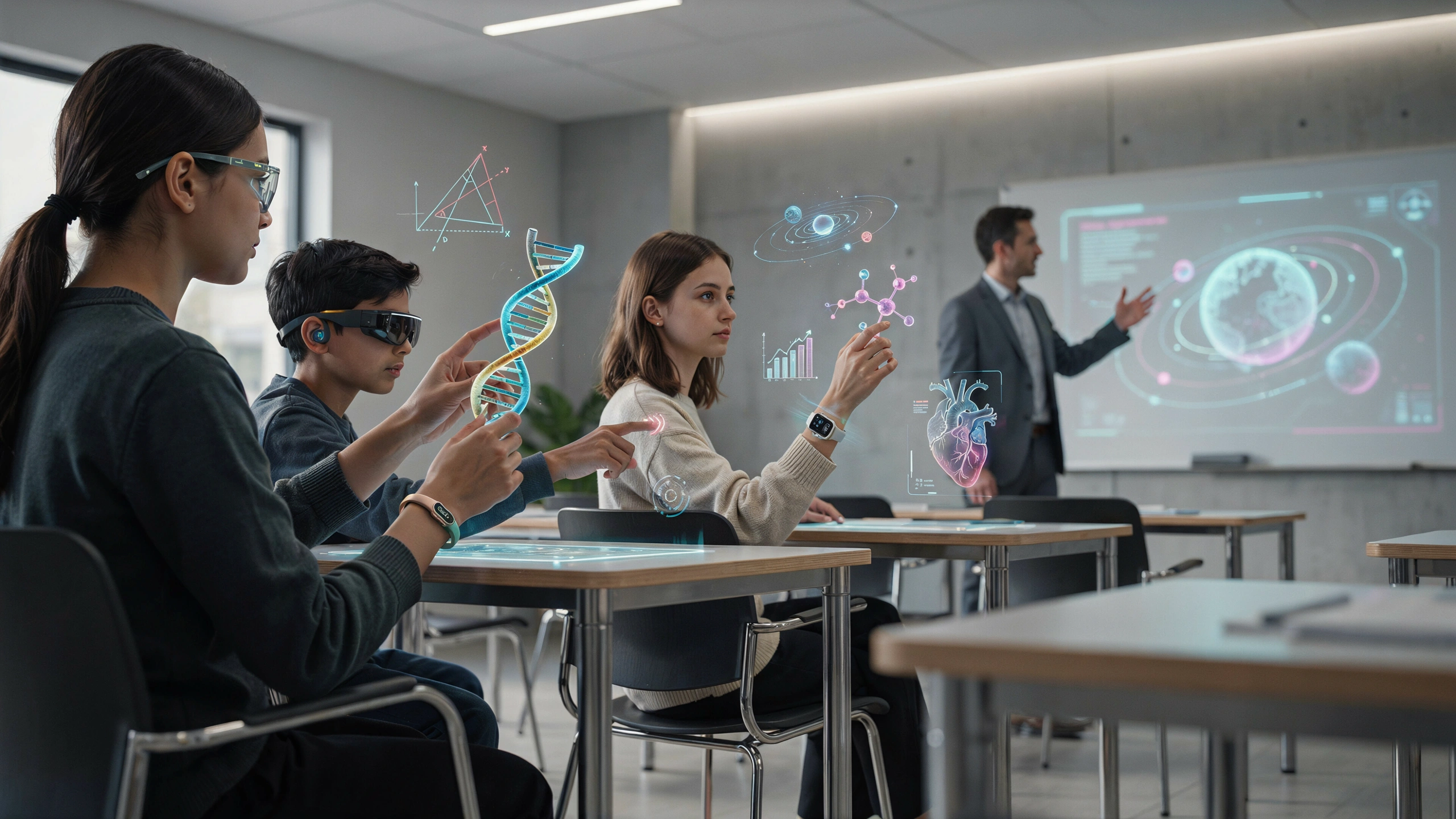
Wearable devices—such as smartwatches, fitness trackers, smart glasses, and virtual reality headsets—offer exciting opportunities to create more personalized, interactive, and data-driven learning experiences. As these technologies continue to evolve, educators are exploring how wearable technology can improve student engagement, monitor well-being, support inclusive education, and prepare learners for a digital future.
What Is Wearable Technology?
Wearable technology refers to electronic devices designed to be worn on the body. These devices collect, process, and display information while allowing users to interact with digital content in real time.
Examples of wearable technology include:
- Smartwatches.
- Fitness trackers.
- Smart glasses.
- Virtual Reality (VR) headsets.
- Augmented Reality (AR) glasses.
- Smart clothing with embedded sensors.
- Wearable medical monitoring devices.
Although many of these technologies were initially developed for health, communication, or entertainment, they are increasingly finding applications in education.
Personalized Learning Through Wearables
One of the greatest advantages of wearable technology is its ability to support personalized learning.
Wearable devices can help educators understand how students engage with learning activities by collecting information such as:
- Participation levels.
- Physical activity.
- Time spent on learning tasks.
- Interaction with educational applications.
When combined with learning analytics and Artificial Intelligence, this information can help teachers adapt instruction to meet individual student needs while encouraging healthy learning habits.
Immersive Learning Experiences
Virtual Reality and Augmented Reality wearables are transforming classroom experiences.
Students can use VR headsets to:
- Explore ancient civilizations.
- Visit museums around the world.
- Travel through the solar system.
- Conduct scientific experiments safely.
- Practice technical skills in realistic simulations.
AR glasses allow students to view digital information layered onto real-world objects, making subjects such as biology, engineering, and geography more interactive and engaging.
These immersive experiences promote deeper understanding and improve long-term knowledge retention.
Supporting Health and Well-Being
Student well-being is closely connected to academic success.
Wearable devices can encourage healthy habits by helping students monitor:
- Daily physical activity.
- Heart rate during exercise.
- Sleep patterns.
- Stress levels.
- Movement during long study sessions.
Teachers and schools can use this information responsibly to promote physical activity, reduce sedentary behavior, and encourage healthy lifestyles.
It is important, however, that any use of health-related data respects student privacy and ethical guidelines.
Enhancing Physical Education
Wearable technology is already transforming physical education programs.
Fitness trackers allow students to:
- Measure daily steps.
- Monitor exercise intensity.
- Track personal fitness goals.
- Evaluate improvements over time.
Teachers can use these data to provide personalized feedback and encourage lifelong healthy habits rather than focusing solely on athletic performance.
Supporting Students with Disabilities
Wearable technologies can make education more accessible for students with diverse learning needs.
Examples include:
- Smart glasses that assist students with visual impairments.
- Hearing support devices for students with hearing loss.
- Wearable communication tools for students with speech difficulties.
- Navigation assistance for learners with mobility challenges.
- AI-powered accessibility devices that provide real-time support.
These technologies promote independence and help create more inclusive classrooms.
Improving Classroom Engagement
Interactive wearable devices can increase student participation by making lessons more dynamic.
Students can:
- Respond to classroom polls instantly.
- Participate in virtual simulations.
- Receive personalized learning prompts.
- Collaborate in immersive group activities.
- Explore educational games through wearable interfaces.
These experiences transform students from passive observers into active participants in their learning.
Challenges of Wearable Technology in Education
Although wearable technology offers exciting possibilities, schools must address several important challenges.
Privacy and Data Security
Wearable devices often collect sensitive personal information.
Schools must ensure that student data are stored securely and used ethically, with appropriate consent and transparency.
Cost
Many wearable devices remain expensive, making widespread implementation difficult for schools with limited budgets.
Teacher Training
Educators require professional development to integrate wearable technologies effectively into classroom instruction.
Digital Equity
Schools must ensure that all students have equal access to wearable technologies regardless of their socioeconomic background.
The Future of Wearable Learning
As technology continues to advance, wearable devices are expected to become more affordable, powerful, and widely available.
Future innovations may include:
- AI-powered smart glasses that provide real-time learning assistance.
- Wearable language translation devices.
- Brain-computer interface technologies that support accessibility.
- Smart classrooms connected through wearable sensors.
- Personalized learning systems that adapt instantly to student performance.
- Wearable devices integrated with virtual and augmented reality learning environments.
These developments have the potential to reshape education by making learning more adaptive, interactive, and accessible.
Ethical Considerations
As wearable technology becomes more common in schools, ethical questions must also be addressed.
Educators and policymakers should consider:
- Protecting student privacy.
- Ensuring informed consent.
- Preventing excessive monitoring.
- Promoting responsible technology use.
- Maintaining a healthy balance between digital learning and face-to-face interaction.
Technology should always support learning without compromising students’ rights or well-being.
Conclusion
Wearable technology represents an exciting frontier in modern education. By combining personalized learning, immersive experiences, health monitoring, and accessibility features, wearable devices have the potential to transform classrooms and improve student outcomes.
Although challenges such as cost, privacy, and teacher training remain, the future of wearable learning is promising. As schools continue to adopt innovative technologies, wearable devices will become valuable tools that complement traditional teaching and help prepare students for an increasingly digital and connected world.
Ultimately, the successful integration of wearable technology will depend not on the devices themselves, but on how thoughtfully educators use them to enhance learning, foster inclusion, and support the development of every student.