
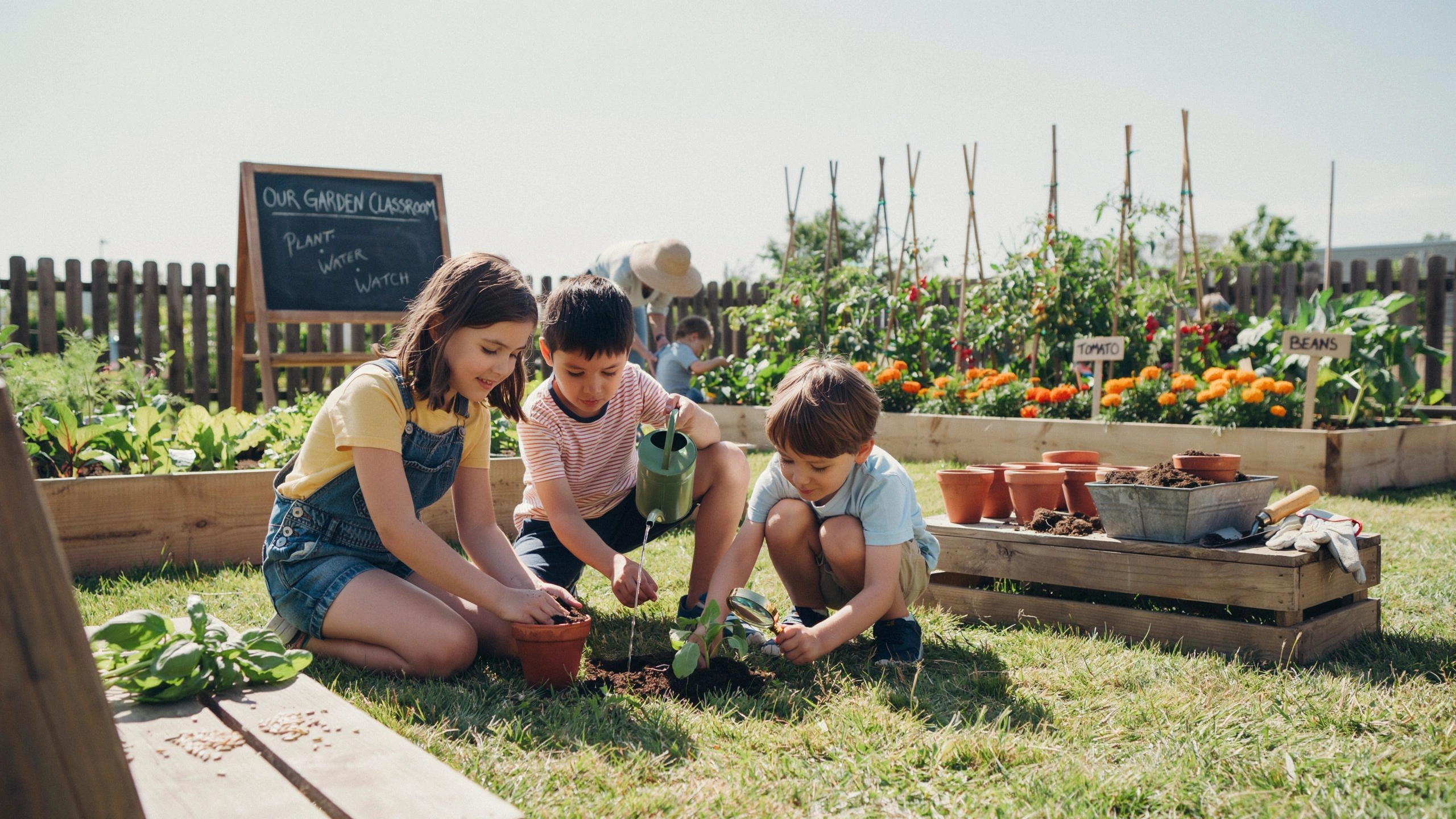
Planting a seed and watching it grow is one of the most rewarding science activities for children. It teaches patience, responsibility, and the fascinating process of how living things develop. With just a few simple materials, young learners can observe nature up close while exploring biology, environmental science, and the life cycle of plants.
Whether you’re gardening in a backyard, on a balcony, or using a small windowsill, growing plants from seeds is a fun and educational project for children of all ages.
Why Gardening Is a Great Science Activity
Gardening introduces children to science through real-life experiences. Instead of reading about plants, they can observe growth firsthand and learn by doing.
Benefits include:
- Understanding the plant life cycle
- Developing observation skills
- Learning responsibility through daily care
- Exploring the needs of living things
- Building patience and perseverance
- Encouraging an appreciation for nature
Gardening also supports healthy habits by helping children understand where food comes from.
What Plants Need to Grow
Before planting seeds, discuss the basic needs of plants.
Plants require:
- Sunlight for energy
- Water to transport nutrients
- Air for photosynthesis and respiration
- Healthy soil for nutrients and support
- The right temperature for growth
Ask children to predict what might happen if one of these elements is missing.
Choosing the Right Seeds
Some seeds grow quickly and are ideal for beginners.
Good choices include:
- Beans
- Sunflowers
- Radishes
- Lettuce
- Peas
- Marigolds
- Basil
- Cress
Fast-growing plants help children stay motivated as they can see results within days.
Activity 1: Plant a Bean Seed
Materials
- Dry bean seed
- Clear plastic cup
- Cotton balls or paper towels
- Water
Instructions
- Place damp cotton balls inside the cup.
- Position the bean seed against the side of the cup.
- Keep the cotton moist.
- Place the cup near a sunny window.
- Observe the seed each day.
What Happens?
The seed absorbs water, swells, and eventually sprouts roots and a stem.
Science Behind It
Water activates the seed, beginning the process of germination. The stored nutrients inside the seed provide energy until leaves develop and photosynthesis begins.
Activity 2: Compare Sunlight and Shade
Materials
- Two identical potted plants
- Water
- Sunny location
- Shady location
Instructions
- Place one plant in sunlight.
- Place the other in shade.
- Water both equally.
- Observe them for one to two weeks.
What Happens?
The plant receiving more sunlight usually grows stronger and greener.
Science Behind It
Plants use sunlight to produce food through photosynthesis. Without enough light, growth slows and leaves may become pale.
Activity 3: How Much Water Is Best?
Materials
- Three small pots
- Same type of seeds
- Soil
- Water
Instructions
- Water the first pot every day.
- Water the second pot every few days.
- Leave the third pot without water.
- Compare plant growth.
Science Behind It
Plants need the right balance of water. Too little causes dehydration, while too much can prevent roots from getting enough oxygen.
Activity 4: Regrow Kitchen Vegetables
Materials
- Lettuce base
- Green onions
- Celery base
- Shallow bowl
- Water
Instructions
- Place the vegetable base in a shallow bowl with water.
- Put it near a sunny window.
- Replace the water every few days.
- Observe new growth.
Science Behind It
Some vegetables can continue growing because their remaining cells are still alive and capable of producing new leaves.
Activity 5: Create a Plant Growth Journal
Encourage children to record:
- Planting date
- Seed type
- Daily observations
- Height measurements
- Number of leaves
- Drawings or photos
Keeping a journal helps children practice scientific observation and recognize patterns over time.
Understanding the Plant Life Cycle
Explain each stage of growth:
- Seed
- Germination
- Seedling
- Young plant
- Mature plant
- Flowering
- Fruit or seed production
Children enjoy identifying which stage their plant has reached.
Questions to Encourage Scientific Thinking
Ask questions such as:
- Why do you think the seed changed?
- Which plant grew the fastest?
- What happens if a plant receives too much water?
- Why are leaves important?
- What do roots do beneath the soil?
These discussions encourage children to think like scientists by making observations and forming explanations.
Skills Children Develop
Gardening activities help build:
- Observation skills
- Patience
- Responsibility
- Measurement and recording
- Critical thinking
- Understanding of living organisms
- Environmental awareness
- Problem-solving skills
These abilities support learning across science and many other subjects.
Extend the Learning
Expand the project by:
- Measuring plant growth with a ruler every week.
- Drawing the different stages of germination.
- Comparing different types of seeds.
- Growing herbs to use in family meals.
- Creating labels for each plant.
- Learning about pollinators such as bees and butterflies.
- Starting a small compost bin to explore recycling in nature.
These extension activities help children connect gardening with broader scientific concepts.
Final Thoughts
Growing plants from seeds is one of the simplest and most meaningful science projects for children. Watching a tiny seed transform into a healthy plant teaches valuable lessons about nature, responsibility, and the importance of caring for living things.
Every leaf, root, and flower offers a new opportunity for discovery. By planting seeds together, families and educators can inspire curiosity, encourage scientific thinking, and cultivate a lifelong appreciation for the natural world—one plant at a time.