
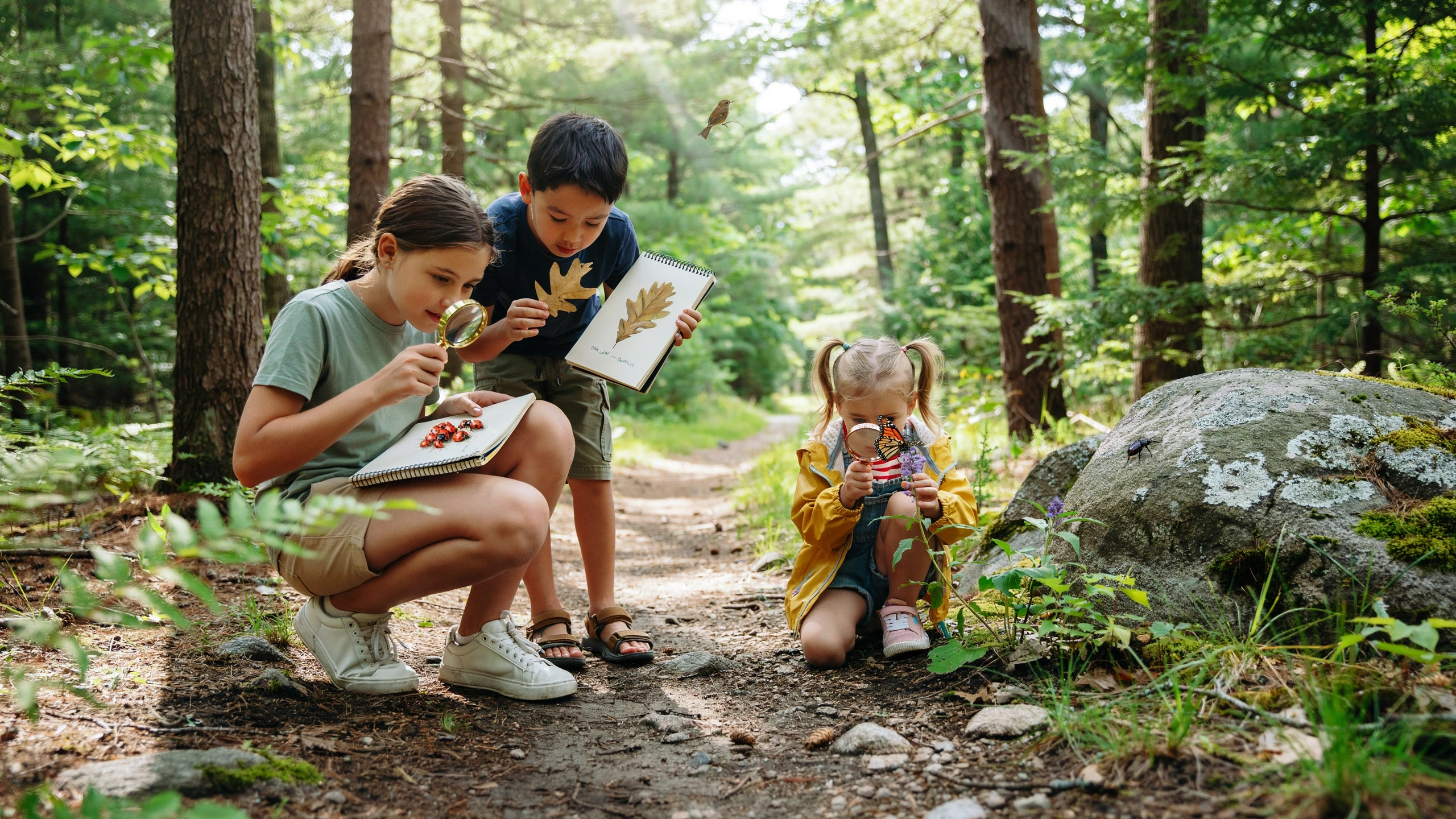
Nature is one of the best classrooms for young learners. A simple walk through a park, garden, forest, or even a neighborhood can become an exciting science adventure. Nature scavenger hunts encourage children to observe their surroundings, ask questions, and discover how plants, animals, rocks, and weather work together in the natural world.
These hands-on activities transform outdoor play into meaningful science lessons while helping children develop important observation and critical thinking skills.
Why Nature Scavenger Hunts Are Great for Kids
Children are naturally curious about the outdoors. A scavenger hunt gives them a purpose for exploring while encouraging careful observation.
Benefits include:
- Developing scientific observation skills
- Encouraging curiosity and exploration
- Improving attention to detail
- Learning about local plants and animals
- Building problem-solving skills
- Promoting physical activity and outdoor play
Nature scavenger hunts also help children appreciate and respect the environment.
Safety Tips Before Exploring
Before heading outside:
- Wear comfortable clothing and closed-toe shoes.
- Apply sunscreen and insect repellent if needed.
- Bring water to stay hydrated.
- Stay on marked trails whenever possible.
- Never touch unknown plants, mushrooms, or animals.
- Supervise young children at all times.
A safe outdoor adventure is a fun learning experience.
What Is a Nature Scavenger Hunt?
A nature scavenger hunt is an activity where children search for natural objects or observe specific features in the environment. Instead of collecting everything, encourage children to look, observe, photograph, sketch, or record what they find.
This approach teaches respect for nature by leaving habitats undisturbed whenever possible.
Activity 1: Color Hunt
Goal
Find something in nature that matches each color.
Look for:
- Green leaf
- Yellow flower
- Brown tree bark
- White feather
- Red berry (observe only)
- Gray rock
Science Behind It
Plants and natural objects display different colors because of pigments, minerals, and environmental conditions.
Activity 2: Leaf Detective
Goal
Compare different leaves.
Look for:
- Large leaf
- Small leaf
- Smooth leaf
- Rough leaf
- Needle-shaped leaf
- Round leaf
Science Behind It
Leaf shapes vary because plants have adapted to different environments and climates.
Activity 3: Insect Explorer
Goal
Observe insects without disturbing them.
Look for:
- Ant
- Butterfly
- Bee
- Ladybug
- Beetle
- Spider
Science Behind It
Insects play important roles as pollinators, decomposers, and food sources in ecosystems.
Activity 4: Bird Observation Challenge
Goal
Watch birds in their natural habitat.
Observe:
- Feather colors
- Beak shapes
- Flight patterns
- Bird songs
- Nest locations (from a safe distance)
Science Behind It
Bird adaptations help them survive in different habitats and find food.
Activity 5: Rock Investigation
Goal
Compare different rocks.
Observe:
- Size
- Shape
- Texture
- Color
- Weight
Science Behind It
Rocks form through different geological processes, creating a wide variety of appearances and properties.
Activity 6: Weather Explorer
Goal
Observe today’s weather.
Record:
- Cloud types
- Wind direction
- Temperature
- Rain or sunshine
- Humidity (how the air feels)
Science Behind It
Weather changes are caused by interactions between the atmosphere, the Sun, and Earth’s surface.
Activity 7: Signs of Animal Life
Goal
Look for evidence that animals have been nearby.
Search for:
- Footprints
- Nests
- Burrows
- Feathers
- Chewed leaves
- Spider webs
Science Behind It
Animals leave clues that help scientists study their behavior without disturbing them.
Create a Nature Journal
Encourage children to record:
- Date and location
- Weather conditions
- Drawings of discoveries
- Questions they have
- Interesting observations
- Photos, if possible
Keeping a journal helps children think like scientists by collecting and organizing information.
Questions to Encourage Scientific Thinking
Ask children:
- What surprised you today?
- Why do you think this plant grows here?
- Which animal signs did you find?
- How are these leaves different?
- What changes might you notice in another season?
These questions promote careful observation and critical thinking.
Skills Children Develop
Nature scavenger hunts strengthen:
- Observation skills
- Classification
- Scientific inquiry
- Environmental awareness
- Communication
- Patience
- Curiosity
- Problem-solving
These skills support learning across science, geography, and environmental studies.
Extend the Learning
After the scavenger hunt, children can:
- Create a nature collage using fallen leaves and twigs.
- Research the plants and animals they observed.
- Build a bird feeder or insect hotel.
- Compare observations from different seasons.
- Map the locations of their discoveries.
- Share their findings with family or classmates.
These extension activities help connect outdoor exploration with classroom learning.
Why Nature Matters
Nature provides habitats for countless living things and plays an essential role in keeping our planet healthy. By exploring local parks, gardens, and natural areas, children learn that every plant, insect, bird, and rock is part of a larger ecosystem.
Helping children develop respect for nature today encourages them to become responsible environmental stewards in the future.
Final Thoughts
Nature scavenger hunts are a simple, inexpensive, and exciting way to teach science through outdoor exploration. Every walk becomes an opportunity to observe, ask questions, and discover something new about the natural world.
With a notebook, a curious mind, and a sense of adventure, children can develop valuable scientific skills while building a lifelong appreciation for nature. Every leaf, feather, cloud, and footprint tells a story waiting to be explored.