
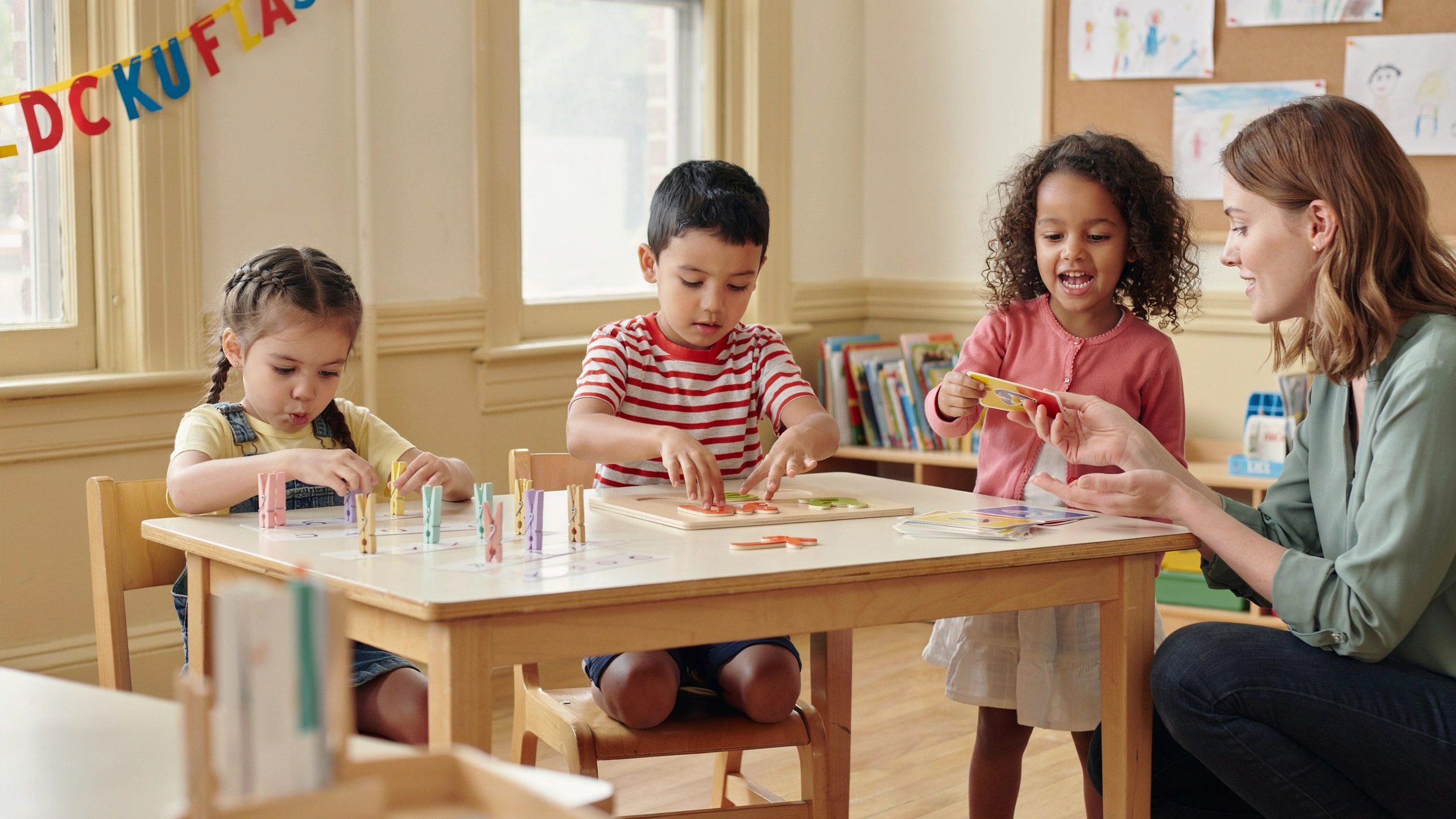
One of the most important milestones in early literacy is helping children understand that uppercase and lowercase letters represent the same alphabet. While capital letters are often easier for young learners to recognize, becoming familiar with lowercase letters is essential because they appear more frequently in books, signs, and everyday writing.
Teaching uppercase and lowercase letter matching through creative, hands-on activities helps children build confidence while preparing them for reading and writing. With games, crafts, and interactive challenges, children learn naturally while having fun.
Why Uppercase and Lowercase Letter Matching Matters
Children who can easily match uppercase and lowercase letters develop stronger reading readiness skills. Recognizing both forms of each letter makes it easier to identify words, understand phonics, and begin writing independently.
Matching activities help children:
- Recognize all 52 letter forms.
- Build visual discrimination skills.
- Strengthen memory and concentration.
- Improve early reading readiness.
- Develop fine motor skills.
- Increase confidence in literacy activities.
- Prepare for handwriting and spelling.
Learning both letter forms through play creates a strong literacy foundation.
1. Alphabet Matching Cards
Create two sets of alphabet cards—one with uppercase letters and one with lowercase letters.
Spread the cards face up on a table.
Children search for matching pairs, such as:
- A → a
- B → b
- C → c
This simple activity encourages repeated practice while improving visual recognition.
2. Uppercase and Lowercase Memory Game
Place matching letter cards face down.
Children turn over two cards at a time, trying to find matching uppercase and lowercase pairs.
The game improves:
- Memory.
- Concentration.
- Letter recognition.
- Patience.
As children become more confident, increase the number of cards.
3. Alphabet Puzzle Match
Create homemade puzzles by cutting each uppercase and lowercase pair into two matching pieces.
Children connect the puzzle pieces to complete each pair.
For extra practice, encourage them to say:
- The letter name.
- The letter sound.
- A word beginning with that letter.
4. Clothespin Matching Activity
Write uppercase letters on index cards.
Label clothespins with matching lowercase letters.
Children clip the correct clothespin onto each card.
This activity strengthens:
- Fine motor skills.
- Finger strength.
- Hand-eye coordination.
- Letter recognition.
It is especially useful for preschoolers preparing to write.
5. Magnetic Letter Match
Place uppercase alphabet cards on a magnetic board or refrigerator.
Children find the matching lowercase magnetic letters and place them beside each uppercase letter.
This hands-on activity encourages active learning through play.
6. Alphabet Sorting Baskets
Prepare two baskets:
- Uppercase Letters
- Lowercase Letters
Mix both sets together.
Children sort the letters into the correct baskets before matching each uppercase letter with its lowercase partner.
Sorting activities improve observation and classification skills.
7. Sticky Note Matching Hunt
Write uppercase letters on colorful sticky notes and place them around the room.
Give children lowercase letter cards.
They walk around searching for the matching uppercase letter.
This movement-based activity keeps children engaged while reinforcing recognition.
8. Letter Matching with Everyday Objects
Choose objects whose names begin with different letters.
Examples include:
- Apple
- Ball
- Cat
- Fish
- Kite
- Sun
Children first identify the object’s beginning letter, then match both the uppercase and lowercase versions of that letter.
This activity connects letters with real-world vocabulary.
9. Alphabet Bingo Match
Create Bingo cards containing lowercase letters.
The caller displays uppercase letters.
Children cover the matching lowercase letters on their cards.
You can reverse the game by calling lowercase letters while children search for uppercase ones.
This version reinforces quick letter recognition.
10. Create an Alphabet Matching Book
Give children blank pages to create their own alphabet book.
Each page includes:
- One uppercase letter.
- One lowercase letter.
- A drawing of an object beginning with that letter.
- A simple word label.
For example:
- A – a – Apple
- B – b – Ball
- C – c – Cat
Children enjoy revisiting their handmade books, which provide ongoing opportunities for review.
Tips for Successful Letter Matching Activities
Introduce only a few letter pairs at a time, especially those that look very different, such as:
- A and a
- M and m
- T and t
Gradually introduce more challenging pairs like:
- G and g
- R and r
- Q and q
Use songs, stories, and alphabet charts alongside matching games to reinforce learning.
Practice regularly through short sessions of 10 to 15 minutes.
Offer encouragement and celebrate progress, no matter how small.
Common Mistakes to Avoid
Avoid expecting children to memorize every letter pair immediately.
Learning takes time and repeated exposure.
Do not rely only on worksheets.
Hands-on games, movement activities, and crafts are much more engaging for young learners.
Avoid correcting every mistake instantly.
Instead, gently guide children toward the correct answer and praise their effort.
Most importantly, keep learning enjoyable and stress-free.
Conclusion
Teaching uppercase and lowercase letter matching through creative activities helps children build the confidence and skills needed for future reading and writing success. Whether children are playing memory games, sorting letters, completing puzzles, using clothespins, or creating their own alphabet books, each activity strengthens recognition while making learning fun.
By incorporating playful experiences into everyday routines, parents and educators help children understand that every uppercase letter has a matching lowercase partner. These simple yet effective activities lay the groundwork for fluent reading, accurate writing, and a lifelong love of learning.