
Introduction
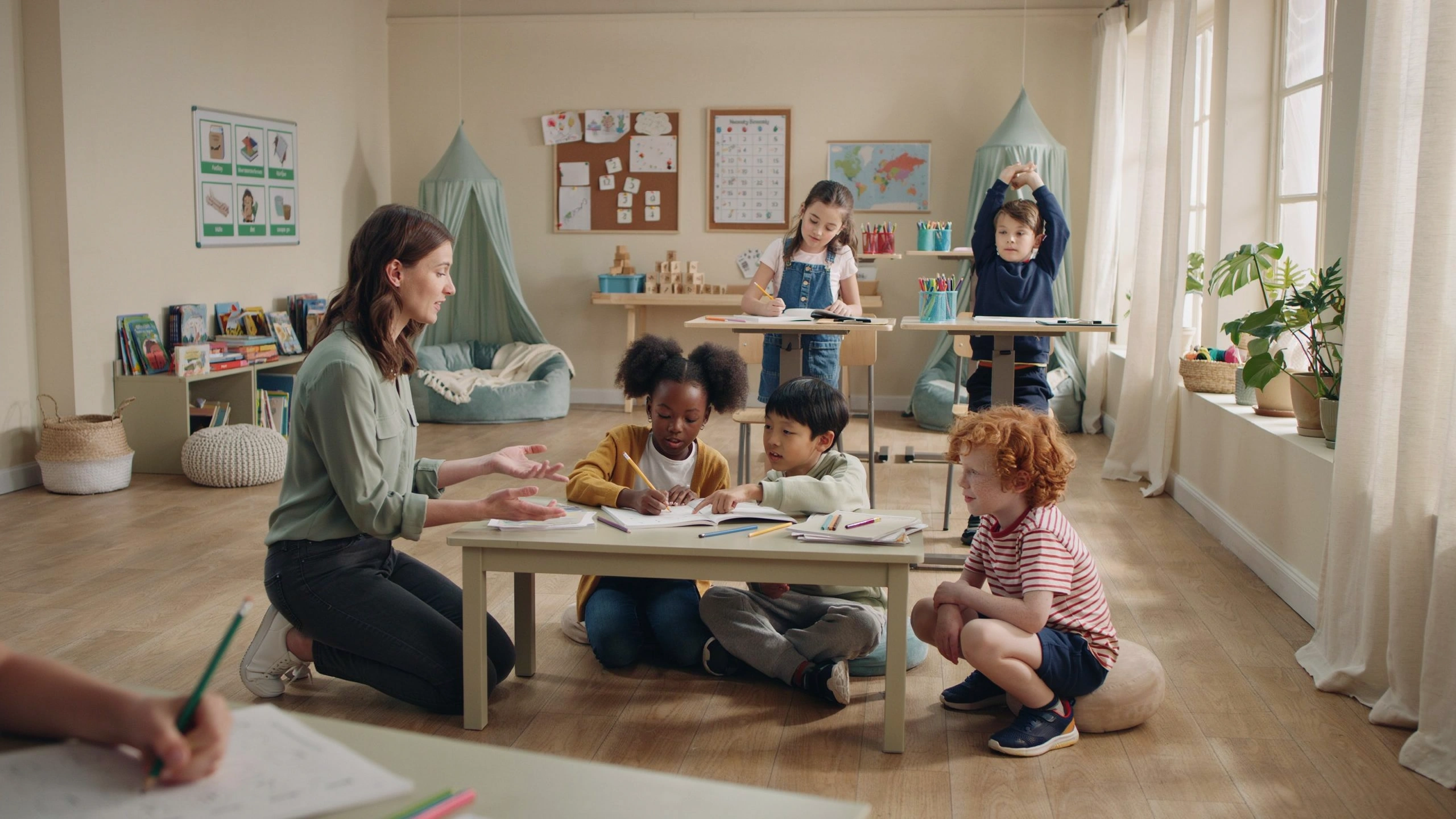
A classroom environment has a powerful impact on students’ ability to learn, participate, and develop confidence. For students with Attention-Deficit/Hyperactivity Disorder (ADHD), traditional classroom settings can sometimes create challenges because of difficulties with attention, organization, impulse control, and emotional regulation.
An ADHD-friendly learning environment does not mean lowering expectations. Instead, it means adapting teaching methods, classroom structures, and learning spaces to help students access education more effectively.
By creating supportive environments, teachers can help students with ADHD become more independent, motivated, and successful learners.
Understanding the Needs of Students with ADHD
Students with ADHD often experience difficulties with:
- Maintaining attention during lessons.
- Managing time and completing tasks.
- Organizing materials and assignments.
- Controlling impulses and emotions.
- Transitioning between activities.
- Staying motivated during challenging work.
These challenges are related to differences in brain functioning, not a lack of intelligence or willingness to learn.
An effective classroom recognizes these needs and provides appropriate support.
1. Establish Clear and Predictable Classroom Routines
Students with ADHD often perform better when they know what to expect.
Teachers can create stability by:
- Starting each lesson with a clear routine.
- Displaying daily schedules visually.
- Explaining classroom rules regularly.
- Giving warnings before transitions.
- Following consistent procedures.
For example, a visual timetable showing “warm-up activity → lesson → group work → homework” helps students prepare mentally for each step.
Predictability reduces stress and allows students to focus more on learning.
2. Organize the Physical Learning Space
The classroom environment can influence concentration.
Teachers can support students with ADHD by:
- Reducing unnecessary distractions.
- Creating organized learning areas.
- Keeping materials easy to find.
- Providing quiet spaces for individual work.
- Seating students strategically.
A student who is easily distracted may benefit from sitting away from high-traffic areas such as doors or windows.
However, seating decisions should be made carefully to avoid making students feel isolated or different.
3. Break Learning Into Smaller Steps
Large assignments can feel overwhelming for students with ADHD.
Instead of saying:
“Complete this five-page project by Friday.”
Teachers can divide the task into smaller goals:
- Choose a topic.
- Find three sources.
- Write an outline.
- Complete the first section.
- Review the final work.
Small steps make tasks more manageable and increase the feeling of success.
4. Use Visual Learning Supports
Many students with ADHD benefit from visual information.
Teachers can use:
- Charts and diagrams.
- Checklists.
- Mind maps.
- Color-coded materials.
- Graphic organizers.
- Written instructions alongside verbal explanations.
Visual tools help students remember information and organize their thinking.
5. Include Movement Opportunities
Many students with ADHD have difficulty sitting still for long periods. Movement can actually improve attention and learning.
Teachers can introduce:
- Short movement breaks.
- Classroom jobs that involve activity.
- Standing work stations.
- Stretching exercises.
- Learning activities involving movement.
For example, allowing students to move between learning stations can increase engagement without disrupting the class.
6. Encourage Active Participation
Passive learning methods may be challenging for students with ADHD.
Teachers can increase engagement through:
- Discussions.
- Experiments.
- Role-playing activities.
- Educational games.
- Collaborative projects.
- Problem-solving tasks.
Active learning keeps students involved and allows them to use their creativity and energy positively.
7. Teach Organization and Time Management Skills
Students with ADHD may need direct instruction in organizational skills.
Teachers can help by teaching students how to:
- Use planners and calendars.
- Create task lists.
- Prioritize assignments.
- Estimate the time needed for activities.
- Organize notebooks and digital files.
These skills are valuable not only for school but also for future independence.
8. Create a Positive and Supportive Classroom Culture
Students with ADHD may experience repeated correction, which can affect their self-esteem.
Teachers should focus on:
- Recognizing strengths.
- Giving specific praise.
- Encouraging effort.
- Building respectful relationships.
- Avoiding negative labels.
Instead of saying:
“You never pay attention.”
A teacher might say:
“Let’s find a strategy that helps you stay focused during this activity.”
Supportive language promotes confidence and cooperation.
9. Provide Flexible Ways to Demonstrate Learning
Students do not always show their knowledge in the same way.
Teachers can offer different assessment methods, such as:
- Oral presentations.
- Creative projects.
- Practical activities.
- Written assignments with additional support.
- Digital presentations.
Flexible assessment allows students with ADHD to demonstrate their abilities more accurately.
10. Build Strong Communication Between School and Family
Successful support requires teamwork between:
- Teachers.
- Parents.
- School counselors.
- Educational specialists.
Sharing information about strategies that work helps create consistency between home and school.
Regular communication can include:
- Progress updates.
- Shared goals.
- Discussions about challenges.
- Celebrating achievements.
Conclusion
Creating an ADHD-friendly learning environment benefits not only students with ADHD but the entire classroom. Clear routines, organized spaces, active learning, positive relationships, and flexible teaching strategies create conditions where all students can succeed.
When teachers understand ADHD and adapt their approach, they help students discover their abilities, build confidence, and achieve academic success.
An inclusive classroom is not one where every student learns in the same way, but one where every student has the opportunity to learn successfully.