
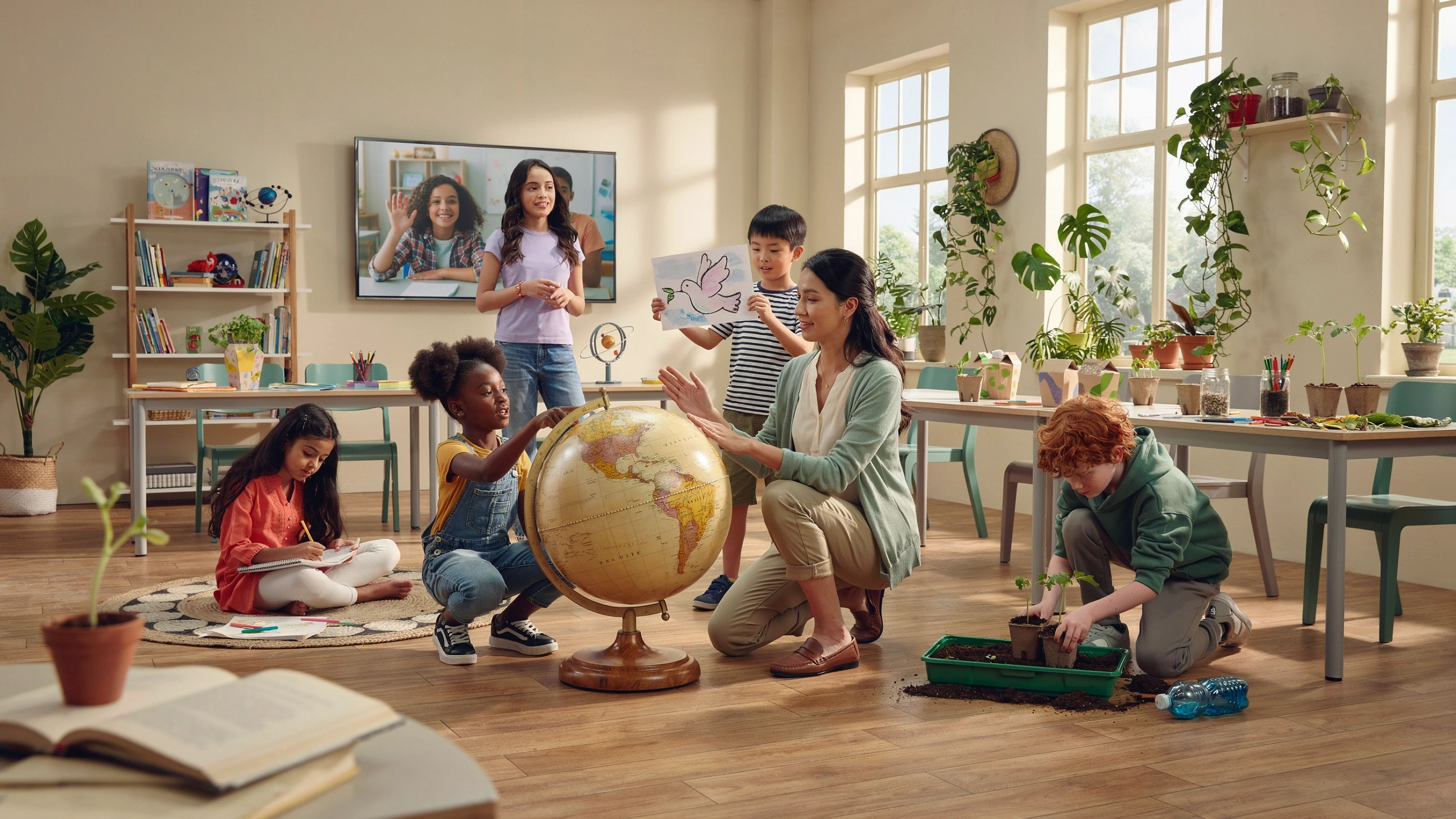
Introduction
The world is more interconnected than ever before. Advances in technology, international trade, migration, and global communication have created opportunities for people from different cultures to collaborate, learn, and solve shared challenges. At the same time, issues such as climate change, inequality, public health, and sustainable development require cooperation that extends beyond national borders.
In this context, education has an important responsibility: preparing students not only for academic success but also for active participation in a global society. This is the foundation of Global Citizenship Education (GCED)—an approach that helps learners develop the knowledge, skills, values, and attitudes needed to contribute positively to both their local communities and the wider world.
Global Citizenship Education encourages students to think critically, act responsibly, respect diversity, and work collaboratively to create a more peaceful, just, and sustainable future.
What Is Global Citizenship Education?
Global Citizenship Education is an educational approach that empowers students to understand global issues while recognizing the connections between local actions and global outcomes. It emphasizes that every individual has both rights and responsibilities within an interconnected world.
Rather than focusing solely on national identity, global citizenship encourages students to see themselves as members of a broader human community while respecting their own cultural heritage and traditions.
Key principles of Global Citizenship Education include:
- Respect for human dignity.
- Appreciation of cultural diversity.
- Social responsibility.
- Environmental stewardship.
- Peaceful conflict resolution.
- Human rights.
- Equity and inclusion.
- Sustainable development.
Why Global Citizenship Education Matters
Preparing Students for an Interconnected World
Today’s students will live and work in environments where international collaboration is increasingly common. Global competence enables them to communicate effectively across cultures, solve complex problems, and adapt to diverse workplaces.
Encouraging Active Participation
Global citizenship inspires students to become active contributors rather than passive observers. They learn that positive change often begins with individual actions within local communities.
Promoting Peace and Inclusion
By developing empathy and intercultural understanding, students become more capable of resolving conflicts peacefully and building respectful relationships with people from diverse backgrounds.
Supporting Sustainable Development
Students learn that environmental protection, responsible consumption, and social justice are shared global responsibilities that require collective action.
Core Competencies of Global Citizens
Effective global citizenship education develops several essential competencies.
Critical Thinking
Students learn to analyze information carefully, evaluate multiple perspectives, recognize misinformation, and make informed decisions.
Cultural Awareness
Learners develop respect for different traditions, languages, beliefs, and lifestyles while recognizing the common humanity shared by all people.
Communication Skills
Students practice expressing ideas clearly, listening respectfully, and engaging in meaningful dialogue across cultural differences.
Collaboration
Global citizens understand the importance of teamwork and international cooperation when addressing complex challenges.
Empathy
Understanding the experiences of others helps students build compassion, reduce prejudice, and strengthen social relationships.
Responsibility
Students recognize that their everyday choices influence their communities, their countries, and the global environment.
Integrating Global Citizenship Across the Curriculum
Global Citizenship Education can be incorporated into every subject area.
Language Arts
Students read international literature, write persuasive essays about global issues, and analyze texts from diverse cultural perspectives.
Science
Lessons explore climate change, biodiversity, renewable energy, public health, and environmental sustainability.
Mathematics
Students analyze global statistics related to education, health, poverty, population growth, and sustainable development.
Social Studies
Learners examine human rights, international organizations, democracy, migration, and cultural diversity.
Arts
Creative projects encourage students to express ideas about identity, inclusion, peace, and global cooperation.
Practical Classroom Activities
Teachers can promote global citizenship through engaging learning experiences such as:
- Model United Nations simulations.
- Community service projects.
- Environmental conservation campaigns.
- International virtual exchanges.
- Cultural heritage exhibitions.
- Human rights discussions.
- Recycling initiatives.
- Global issue research projects.
These activities help students connect classroom learning with real-world action.
The Role of Technology
Technology expands opportunities for global citizenship by allowing students to:
- Communicate with peers worldwide.
- Access international educational resources.
- Participate in collaborative projects.
- Attend virtual conferences.
- Explore interactive global maps.
- Learn through digital storytelling.
Technology also provides opportunities to develop responsible digital citizenship.
The Role of Teachers
Teachers play a central role in fostering global citizenship.
They encourage students to:
- Ask thoughtful questions.
- Respect diverse opinions.
- Think critically.
- Participate actively.
- Solve problems collaboratively.
- Reflect on ethical responsibilities.
Teachers also model inclusive and respectful behavior in everyday classroom interactions.
The Role of Families
Parents reinforce global citizenship values through daily experiences.
Families can:
- Encourage volunteer work.
- Discuss international events.
- Celebrate cultural diversity.
- Practice sustainable living.
- Promote kindness and empathy.
- Read books about different cultures.
Children are more likely to adopt positive values when schools and families work together.
Challenges in Global Citizenship Education
Implementing Global Citizenship Education may involve challenges such as:
- Limited curriculum time.
- Insufficient teacher training.
- Unequal access to educational resources.
- Addressing sensitive global issues.
- Balancing local identity with global perspectives.
Despite these challenges, even small classroom initiatives can make a significant difference.
Measuring Success
Schools can assess Global Citizenship Education through:
- Reflective journals.
- Community service participation.
- Collaborative projects.
- Classroom discussions.
- Student presentations.
- Portfolios.
- Problem-solving activities.
Assessment should emphasize both knowledge and responsible action.
Long-Term Benefits
Students who experience Global Citizenship Education often become adults who:
- Respect cultural diversity.
- Participate actively in civic life.
- Protect the environment.
- Support social justice.
- Communicate across cultures.
- Continue learning throughout life.
- Lead ethically.
- Contribute positively to local and global communities.
These qualities are essential for addressing the challenges of the modern world.
Looking Toward the Future
As globalization continues to reshape education, employment, and society, Global Citizenship Education will become increasingly important. Schools that embrace this approach prepare students not only to succeed professionally but also to make meaningful contributions to humanity.
Future generations will need cooperation, creativity, empathy, and resilience to solve shared global challenges. Education provides the foundation for developing these qualities.
Conclusion
Global Citizenship Education equips students with the knowledge, skills, values, and attitudes necessary to thrive in an interconnected world. By promoting critical thinking, cultural understanding, empathy, collaboration, and responsibility, it prepares young people to become active participants in building a more peaceful, inclusive, and sustainable future.
Every classroom has the potential to nurture global citizens who recognize that their actions matter. Whether protecting the environment, respecting diversity, supporting human rights, or serving their communities, students learn that meaningful change begins with informed and compassionate action.
As education continues to evolve, Global Citizenship Education will remain one of the most powerful approaches for preparing learners to make a positive impact—not only in their own countries but across the world.