
Introduction
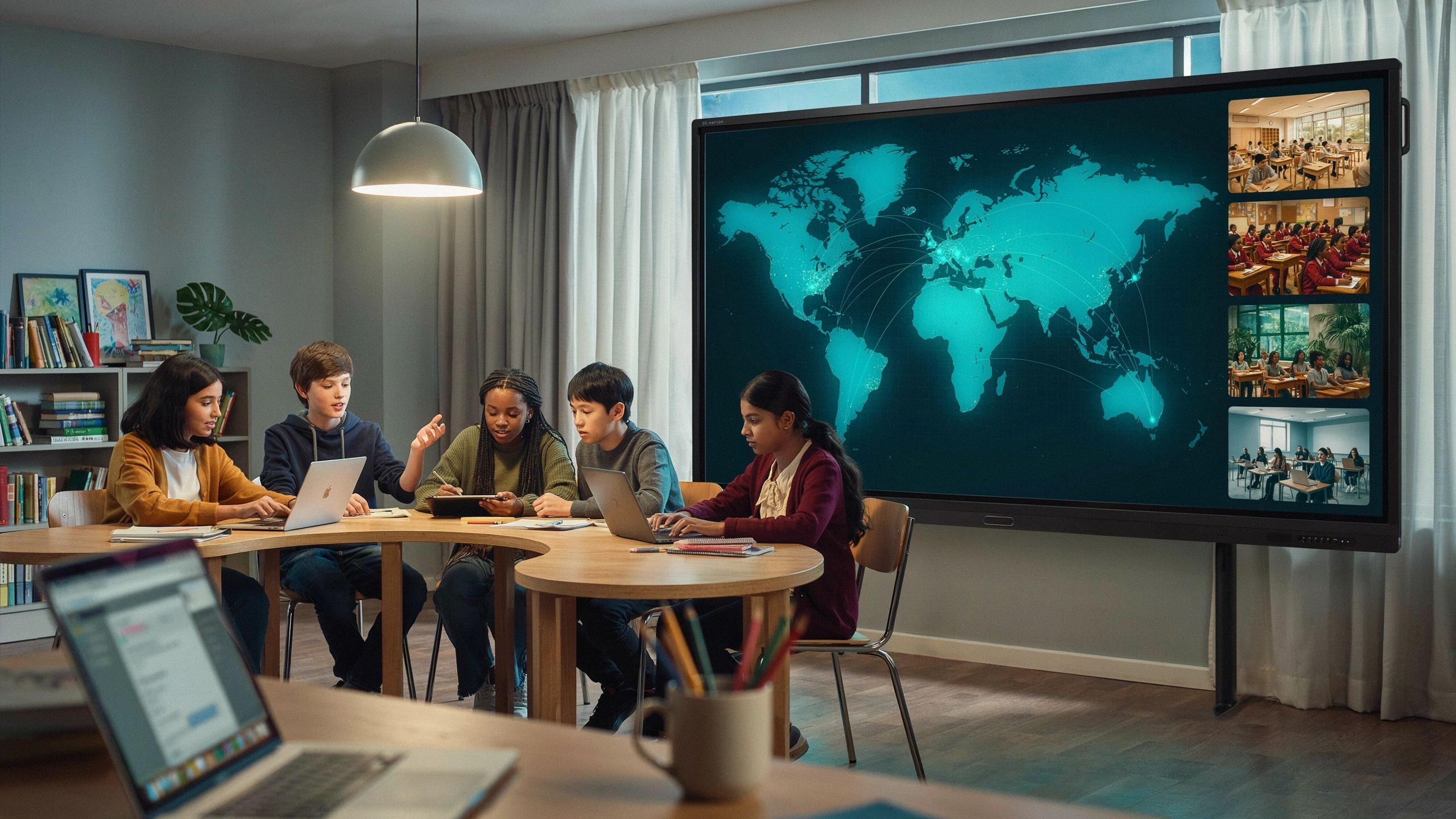
The world is changing at an unprecedented pace. Advances in technology, globalization, and communication have transformed the way people live, work, and learn. Today’s students will graduate into a world where international collaboration, digital communication, and cross-cultural understanding are essential parts of everyday life.
Schools are no longer responsible only for teaching reading, writing, mathematics, and science. They must also equip students with the knowledge, skills, and attitudes needed to succeed in an interconnected world. Preparing learners for this reality means fostering adaptability, creativity, global awareness, and lifelong learning.
By embracing a global perspective, schools can help students become confident individuals who are ready to contribute positively to both their local communities and the wider world.
Understanding an Interconnected World
An interconnected world is one in which people, businesses, governments, and communities are linked through technology, trade, travel, education, and shared global challenges. Events in one country can influence economies, healthcare, education, and the environment worldwide.
Students need to understand that global issues such as climate change, pandemics, migration, cybersecurity, and sustainable development require international cooperation and informed decision-making.
Education should therefore prepare learners to think beyond geographical boundaries while remaining engaged citizens within their own communities.
The Skills Students Need
Critical Thinking
Students must learn to evaluate information carefully, distinguish facts from misinformation, analyze different viewpoints, and make evidence-based decisions.
Communication Skills
Effective communication extends beyond language proficiency. Students should develop strong speaking, listening, writing, and presentation skills while learning to communicate respectfully with people from diverse cultural backgrounds.
Collaboration
Modern workplaces increasingly rely on teamwork across countries and time zones. Schools should provide opportunities for students to collaborate on projects, solve problems together, and share responsibilities.
Digital Literacy
Technology plays a central role in global communication. Students need to know how to use digital tools responsibly, evaluate online information, protect their privacy, and participate safely in virtual environments.
Creativity and Innovation
Many future careers will require innovative thinking. Schools should encourage curiosity, experimentation, and creative problem-solving through project-based learning and hands-on activities.
Adaptability
Rapid technological and social changes mean students must become flexible learners who can adapt to new environments, acquire new skills, and embrace lifelong learning.
Integrating Global Perspectives Across the Curriculum
Global education should not be limited to a single subject. Instead, schools can incorporate international perspectives throughout the curriculum.
Language Arts
Students can read literature written by authors from different countries, compare storytelling traditions, and explore themes that reflect universal human experiences.
Social Studies
Lessons can examine world history, international organizations, cultural diversity, human rights, and global citizenship.
Science
Scientific topics such as climate change, biodiversity, renewable energy, and public health naturally connect local learning with global challenges.
Mathematics
Teachers can use international statistics, economic data, population growth, and environmental measurements to demonstrate the real-world application of mathematics.
Arts and Music
Exposure to artistic traditions from different cultures helps students appreciate creativity while developing cultural awareness.
The Importance of Technology
Technology enables schools to expand learning beyond classroom walls. Students can:
- Participate in virtual exchanges with schools in other countries.
- Attend online workshops led by international experts.
- Collaborate on global research projects.
- Explore museums and historical sites through virtual tours.
- Access educational resources from around the world.
When used thoughtfully, technology transforms classrooms into gateways to global learning.
Developing Cultural Competence
Preparing students for an interconnected world requires cultural competence—the ability to understand, respect, and interact effectively with people from different backgrounds.
Schools can encourage cultural competence by:
- Celebrating multicultural events.
- Learning about world religions and traditions.
- Inviting guest speakers from diverse communities.
- Encouraging respectful dialogue.
- Teaching multiple perspectives on historical events.
These experiences help students recognize both cultural differences and shared human values.
Promoting Global Citizenship
Schools should inspire students to understand that they have responsibilities beyond themselves. Global citizenship encourages learners to:
- Respect human rights.
- Care for the environment.
- Promote equality and inclusion.
- Support peaceful conflict resolution.
- Volunteer in community service projects.
- Make ethical decisions in daily life.
These values help students become active contributors to society.
The Role of Teachers
Teachers are the foundation of globally minded education. They can create learning environments that encourage curiosity, open discussion, and international awareness.
Effective teachers:
- Ask meaningful questions.
- Encourage respectful debate.
- Connect lessons to current global issues.
- Promote collaborative learning.
- Inspire students to become lifelong learners.
Professional development also helps educators stay informed about emerging educational practices and global trends.
The Role of School Leadership
School leaders play a critical role by creating a vision that supports global education. They can:
- Encourage international partnerships.
- Invest in educational technology.
- Support teacher training.
- Promote inclusive school cultures.
- Develop curricula that include global perspectives.
Strong leadership ensures that global education becomes part of the school’s long-term mission.
How Parents Can Support Global Learning
Families reinforce what students learn at school. Parents can encourage global awareness by:
- Discussing international news together.
- Reading books from different cultures.
- Encouraging foreign language learning.
- Watching educational documentaries.
- Exploring world maps and geography.
- Participating in cultural festivals within their communities.
These everyday experiences strengthen children’s curiosity about the wider world.
Challenges Schools May Face
Implementing global education is not always easy. Common challenges include:
- Limited funding.
- Curriculum requirements.
- Unequal access to technology.
- Teacher workload.
- Limited international partnerships.
Despite these obstacles, many schools successfully integrate global learning through creativity, collaboration, and community support.
Practical Classroom Activities
Teachers can introduce global learning through engaging experiences such as:
- International collaborative projects.
- Virtual classroom exchanges.
- Model United Nations activities.
- Global science investigations.
- Cultural research presentations.
- International book clubs.
- Sustainability campaigns.
- World geography competitions.
These activities encourage teamwork, communication, and critical thinking while making learning meaningful.
Benefits for Students
Students who are prepared for an interconnected world often demonstrate:
- Greater confidence.
- Strong communication skills.
- Improved collaboration.
- Increased cultural awareness.
- Better digital literacy.
- Stronger problem-solving abilities.
- Greater adaptability to change.
- Enhanced career readiness.
These skills benefit learners throughout their education and professional lives.
Conclusion
Preparing students for an interconnected world is one of the most important responsibilities of modern education. Academic knowledge remains essential, but it must be complemented by global awareness, cultural understanding, digital competence, and the ability to collaborate across borders.
When schools embrace global perspectives, they empower students to become thoughtful leaders, responsible citizens, and lifelong learners. By working together, educators, families, and communities can ensure that the next generation is ready not only to succeed in an increasingly connected world but also to help shape a more inclusive, innovative, and sustainable future.