
Introduction
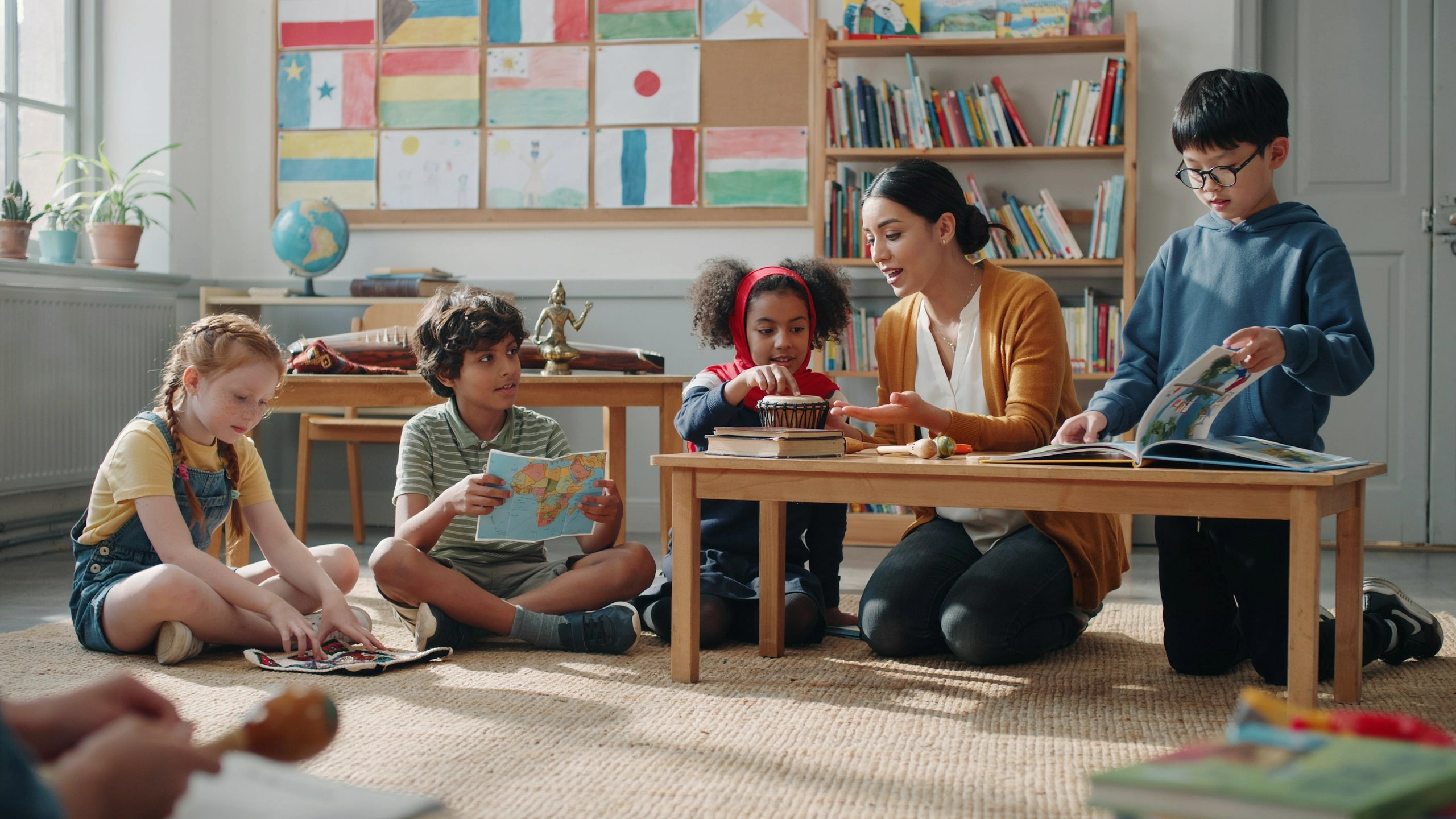
Today’s classrooms are more diverse than ever before. Students come from different cultural, linguistic, religious, and social backgrounds, bringing unique perspectives and experiences to the learning environment. At the same time, technology has connected people across continents, allowing learners to interact with individuals from around the world with unprecedented ease.
In this increasingly interconnected society, academic knowledge alone is no longer enough. Students must also develop cultural awareness—the ability to understand, appreciate, and respect cultural differences while recognizing the shared values that unite humanity. Cultural awareness is a cornerstone of modern education because it prepares young people to communicate effectively, collaborate successfully, and contribute positively to diverse communities.
What Is Cultural Awareness?
Cultural awareness is the understanding that people may have different traditions, beliefs, customs, languages, values, and ways of life. It involves recognizing these differences without judgment and appreciating the richness they bring to society.
Being culturally aware does not mean abandoning one’s own identity or traditions. Instead, it means respecting others while remaining proud of one’s own heritage. This balance helps students develop confidence in themselves while becoming more open to learning from others.
Why Cultural Awareness Matters
1. It Promotes Respect and Inclusion
When students learn about different cultures, they begin to appreciate diversity rather than fear it. They become more accepting of classmates who may speak different languages, celebrate different holidays, or practice different traditions. This creates a more welcoming and inclusive learning environment.
2. It Reduces Prejudice and Stereotypes
Misunderstandings often arise from a lack of knowledge. Cultural awareness helps students challenge stereotypes and recognize that every individual is unique. By learning about different communities through authentic experiences, children develop more accurate and respectful perspectives.
3. It Strengthens Communication Skills
Effective communication requires more than speaking the same language. Students must also understand cultural norms, body language, values, and communication styles. Cultural awareness helps learners interact respectfully with people from diverse backgrounds in both personal and professional settings.
4. It Encourages Empathy
Learning about the experiences, traditions, and histories of others helps students understand different perspectives. This empathy encourages kindness, compassion, and cooperation, reducing conflict and promoting stronger relationships.
5. It Prepares Students for a Global Workforce
Many future careers will involve working with international clients, multicultural teams, or global organizations. Employers increasingly seek individuals who can communicate across cultures, adapt to diverse workplaces, and collaborate effectively with colleagues from around the world.
The Role of Schools
Schools play a vital role in developing cultural awareness. They provide opportunities for students to encounter different perspectives through curriculum, classroom discussions, and everyday interactions.
An inclusive school culture encourages every student to feel respected, valued, and heard. Teachers can create this environment by celebrating diversity, encouraging open dialogue, and ensuring that all learners see themselves represented in classroom materials.
Integrating Cultural Awareness into the Curriculum
Cultural awareness can be incorporated into every subject area.
Language Arts
Students can read novels, poems, and stories written by authors from different countries and cultures. Literature allows learners to experience life through the eyes of others while developing empathy and critical thinking.
History
History lessons should explore events from multiple perspectives, helping students understand how different societies have contributed to human development. This balanced approach encourages deeper understanding rather than one-sided interpretations.
Geography
Geography provides opportunities to explore cultures, traditions, economies, environments, and lifestyles around the world. Students discover how geography influences the daily lives of different communities.
Science
Science demonstrates that international collaboration drives innovation. Students can study how researchers from various countries work together to solve global challenges such as climate change, renewable energy, and public health.
Arts and Music
Exploring visual arts, music, dance, and crafts from different cultures helps students appreciate creativity while recognizing the universal role of artistic expression.
Practical Classroom Activities
Teachers can make cultural awareness engaging through activities such as:
- International cultural fairs.
- Multicultural storytelling sessions.
- World music appreciation days.
- Traditional food tasting events.
- Cultural interview projects.
- International pen-pal exchanges.
- Virtual classroom partnerships.
- Collaborative art projects inspired by different cultures.
These activities encourage curiosity while making diversity a natural part of everyday learning.
The Role of Technology
Technology has transformed cultural learning by connecting classrooms worldwide. Students can:
- Participate in virtual exchanges with international schools.
- Attend online cultural festivals.
- Explore museums through virtual tours.
- Watch educational videos about global traditions.
- Collaborate on international research projects.
These experiences allow learners to build meaningful connections beyond their local communities.
The Role of Parents
Families are children’s first teachers of culture and values. Parents can strengthen cultural awareness by:
- Reading multicultural books together.
- Trying foods from different countries.
- Learning basic phrases in another language.
- Attending community cultural events.
- Watching documentaries about different societies.
- Encouraging respectful conversations about diversity.
Children who experience cultural learning both at home and at school develop greater confidence in interacting with people from different backgrounds.
Overcoming Challenges
Teaching cultural awareness requires sensitivity and thoughtful planning. Schools may encounter challenges such as:
- Limited classroom resources.
- Unintentional cultural stereotypes.
- Language barriers.
- Lack of teacher training.
- Resistance to unfamiliar perspectives.
Addressing these challenges requires ongoing professional development, inclusive teaching practices, and strong partnerships with families and local communities.
Long-Term Benefits
Students who develop cultural awareness are more likely to become adults who:
- Respect diversity.
- Communicate effectively across cultures.
- Adapt to international environments.
- Demonstrate empathy and compassion.
- Resolve conflicts peacefully.
- Collaborate successfully in diverse teams.
- Contribute to inclusive communities.
These qualities support success in higher education, employment, and civic life.
Building Inclusive Classrooms
Inclusive classrooms recognize that every student has unique strengths and experiences. Teachers can promote inclusion by:
- Using diverse teaching materials.
- Encouraging every student to participate.
- Celebrating cultural traditions throughout the year.
- Addressing bias respectfully when it arises.
- Creating opportunities for cooperative learning.
When students feel respected and valued, they are more engaged, confident, and motivated to learn.
Conclusion
Cultural awareness is an essential component of modern education. As societies become increasingly interconnected, students must learn not only academic subjects but also how to understand, respect, and collaborate with people from diverse backgrounds.
By integrating cultural awareness into everyday teaching, schools prepare young people to thrive in multicultural communities and global workplaces. More importantly, they help create compassionate individuals who value diversity, embrace inclusion, and contribute to a more peaceful and understanding world.
Investing in cultural awareness today is an investment in a future where differences are celebrated, cooperation is strengthened, and every individual has the opportunity to learn, grow, and succeed together.