
Introduction
Problem-solving is one of the most valuable skills children can develop. From completing school assignments to handling everyday situations, children constantly face challenges that require them to think, adapt, and make decisions. The good news is that problem-solving skills can be strengthened through creative and enjoyable activities that inspire curiosity rather than frustration.
Creative problem-solving challenges encourage children to explore different solutions, experiment with new ideas, and learn from mistakes. Instead of searching for one “correct” answer, they discover that many problems can be solved in multiple ways. Here are some exciting challenges every child should try.
Why Creative Problem-Solving Is Important
Creative problem-solving teaches children to:
- Think independently
- Analyze situations carefully
- Generate multiple solutions
- Make informed decisions
- Adapt to unexpected challenges
- Build confidence through experience
These skills support academic success, emotional development, and lifelong learning.
1. Build the Tallest Tower
Challenge children to build the tallest tower they can using everyday materials such as blocks, paper cups, or recycled boxes.
After each attempt, ask:
- What made your tower stable?
- What would you change next time?
Skills Developed:
- Engineering thinking
- Planning
- Creativity
- Problem-solving
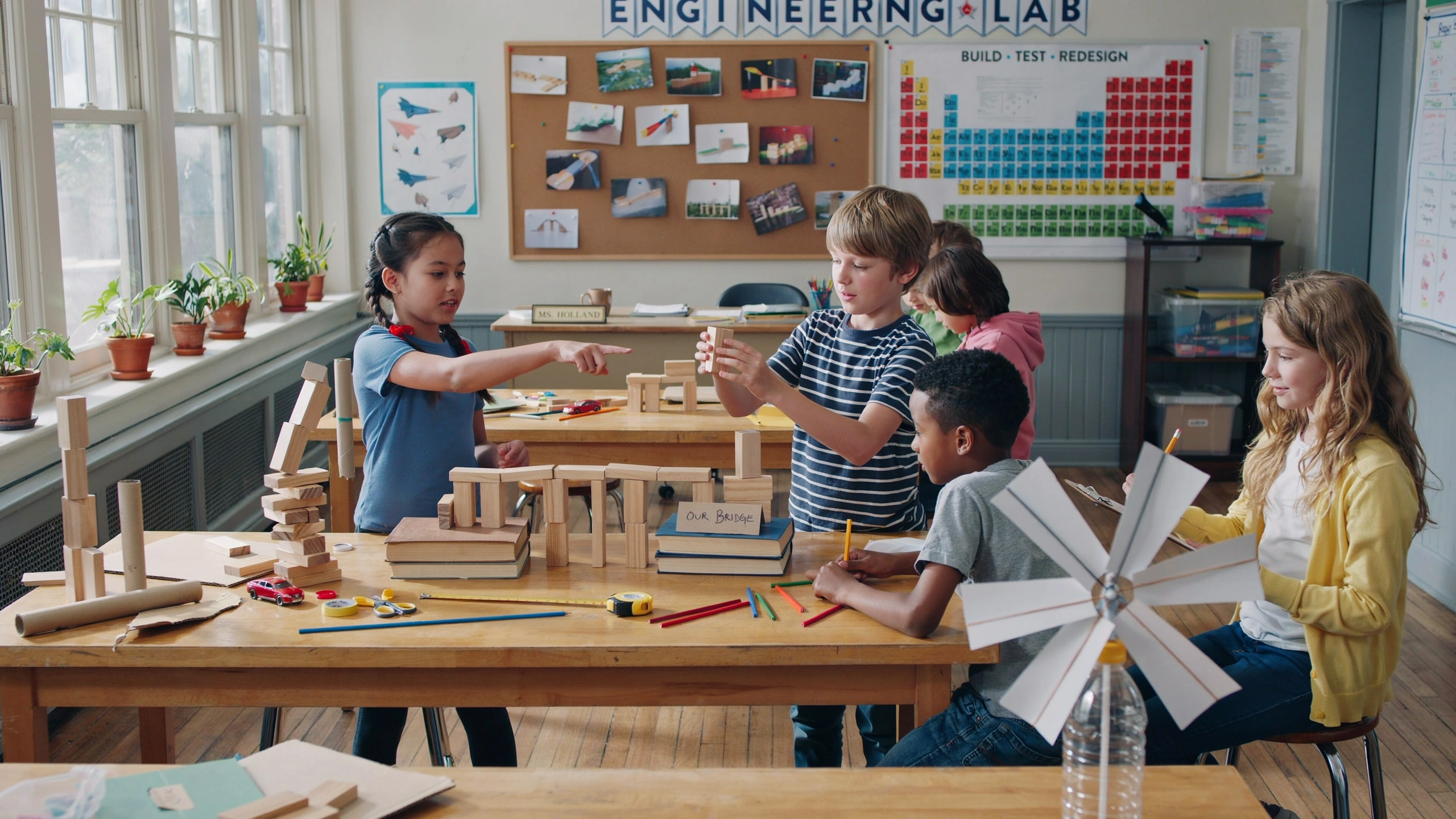
2. Design a Bridge
Give children simple materials like craft sticks, paper, or cardboard and ask them to build a bridge that can support a small toy.
Encourage them to test and improve their designs.
Skills Developed:
- Critical thinking
- Experimentation
- Spatial reasoning
- Innovation
3. Invent a New Game
Invite children to create a completely original game.
They decide:
- The rules
- The goal
- The equipment (if any)
- How to win
Designing games requires planning, logical thinking, and creativity.
Skills Developed:
- Creativity
- Organization
- Communication
- Leadership
4. Rescue the Toy Challenge
Place a toy in a location that cannot be reached by hand.
Challenge children to retrieve it without touching the surrounding area.
They must plan, experiment, and adjust their ideas.
Skills Developed:
- Strategic thinking
- Innovation
- Logical reasoning
- Persistence
5. Mystery Box Solutions
Place a familiar object inside a box and ask children to think of as many possible uses for it as they can.
Example objects:
- A spoon
- A rubber band
- A cardboard tube
- A clothespin
There are no wrong answers if the ideas are practical or imaginative.
Skills Developed:
- Divergent thinking
- Creativity
- Flexibility
- Communication
6. Escape the Maze
Create or draw a simple maze.
Challenge children to find the shortest path while explaining each decision they make.
Discuss alternative routes after finishing.
Skills Developed:
- Planning
- Decision-making
- Logical reasoning
- Observation
7. The Broken Story
Tell a story with a problem that has no ending.
Example:
“A family arrives at the park, but it suddenly starts raining. What should they do?”
Encourage children to suggest several different solutions.
Skills Developed:
- Creative thinking
- Cause-and-effect reasoning
- Communication
- Problem-solving
8. Save the Egg (Without an Egg)
Instead of using a real egg, imagine protecting a fragile object during a fall.
Ask children to design and explain a protective container using common household materials.
They can draw their ideas or build simple prototypes.
Skills Developed:
- Engineering design
- Planning
- Creativity
- Innovation
9. Complete the Pattern
Create increasingly challenging patterns using numbers, shapes, colors, or movements.
Then invite children to invent their own puzzles.
Skills Developed:
- Pattern recognition
- Logical thinking
- Sequencing
- Memory
10. Plan the Perfect Picnic
Ask children to organize a pretend family picnic.
They must think about:
- What food to bring
- What equipment is needed
- What to do if it rains
- How everyone can have fun
Planning ahead develops practical reasoning.
Skills Developed:
- Organization
- Decision-making
- Responsibility
- Critical thinking
Tips for Encouraging Creative Thinking
Help children become confident problem solvers by:
- Asking open-ended questions.
- Encouraging multiple possible answers.
- Giving children time to think independently.
- Viewing mistakes as opportunities to learn.
- Praising effort, creativity, and persistence.
- Allowing children to test and improve their ideas.
The process is often more valuable than the final solution.
Everyday Opportunities for Problem-Solving
Children don’t need special activities to practice creative thinking.
Encourage them to solve real-life challenges such as:
- Organizing their toys
- Planning a family activity
- Packing a backpack efficiently
- Finding a better way to complete a chore
- Creating a new recipe or snack
- Rearranging a bedroom for more space
These everyday experiences help children apply problem-solving skills in meaningful ways.
Long-Term Benefits
Children who regularly practice creative problem-solving often develop:
- Greater confidence
- Stronger logical reasoning
- Better decision-making
- Improved adaptability
- Increased creativity
- Resilience when facing challenges
These qualities prepare them for success in school, future careers, and everyday life.
Conclusion
Creative problem-solving challenges encourage children to think beyond the obvious, explore new ideas, and approach obstacles with confidence. Whether designing bridges, inventing games, solving mazes, or planning imaginary adventures, every challenge helps strengthen critical thinking, creativity, and perseverance.
By making problem-solving a regular part of play and learning, parents and teachers can help children become curious, resourceful, and independent thinkers who are ready to tackle the challenges of tomorrow.