
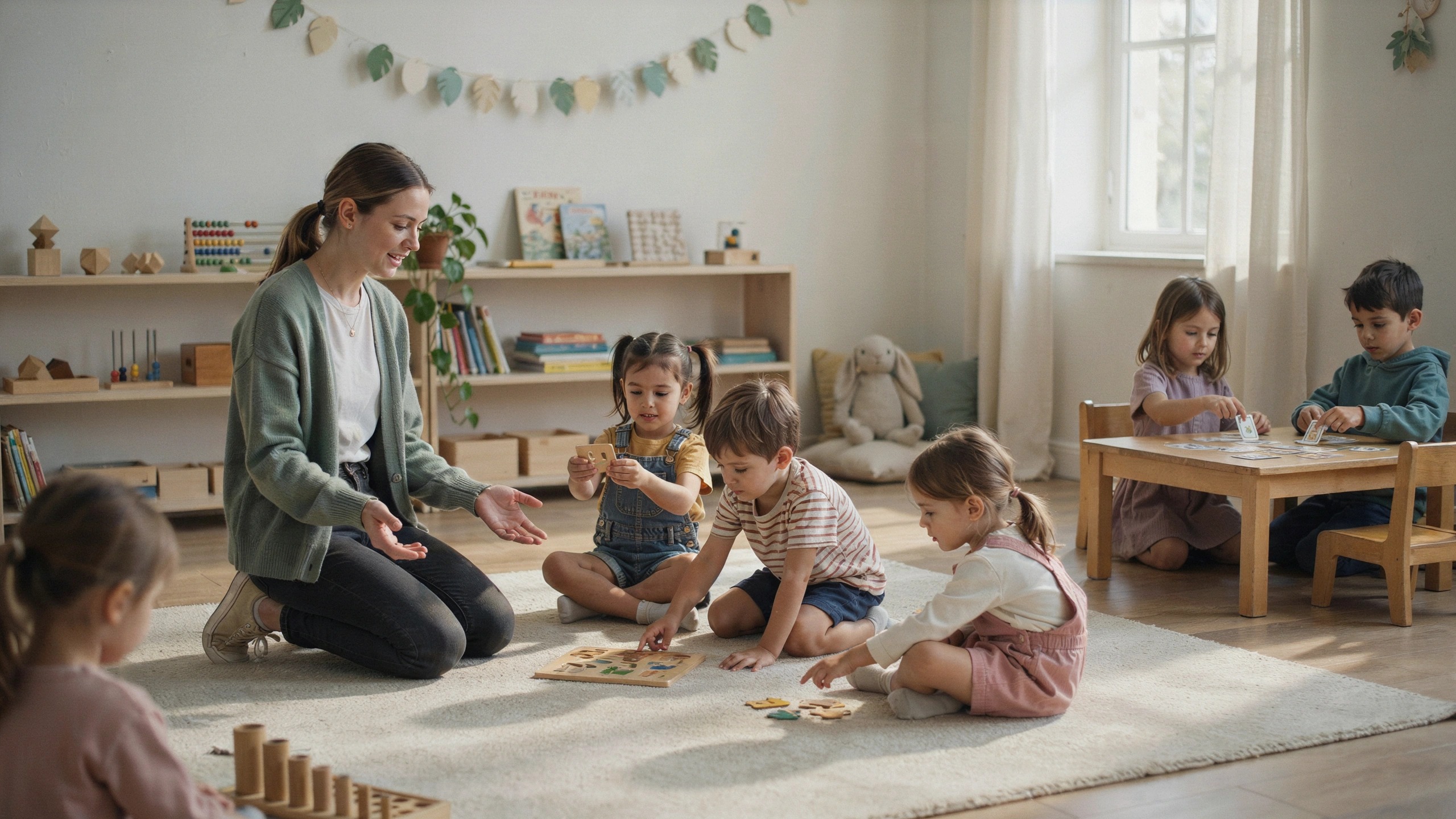
Memory and attention are two of the most important skills children need for lifelong learning. From remembering classroom instructions to solving puzzles and completing daily routines, these cognitive abilities support success in every stage of development.
The good news is that children don’t need expensive educational programs or hours of structured lessons to strengthen these skills. Just a few minutes of purposeful brain-training activities each day can significantly improve memory, focus, concentration, and problem-solving.
In this article, you’ll discover simple daily brain training activities that help young children build stronger memory and attention while making learning enjoyable.
Why Daily Brain Training Matters
The brain grows stronger through regular practice. Just like physical exercise helps build muscles, mental activities strengthen the brain’s ability to process, store, and recall information.
Daily brain training helps children develop:
- Working memory
- Visual memory
- Auditory memory
- Sustained attention
- Concentration
- Logical thinking
- Cognitive flexibility
- Self-confidence
Short, consistent practice sessions are often more effective than occasional long lessons.
Create a Daily Brain Training Routine
A simple 15–20 minute routine can make a big difference.
For example:
- 5 minutes of memory games
- 5 minutes of attention activities
- 5 minutes of problem-solving
- 5 minutes of movement-based learning
Rotating activities keeps children interested while exercising different parts of the brain.
1. Morning Memory Challenge
Begin each day with a quick recall game.
Ask questions such as:
- What day is it?
- What did we do yesterday?
- What did you eat for breakfast?
These conversations strengthen long-term and working memory.
2. Matching Card Games
Classic matching games encourage children to remember the locations of picture cards while improving concentration and visual recall.
Increase the number of cards as children become more confident.
3. Follow Multi-Step Directions
Give children simple instructions to complete in order.
For example:
- Pick up the book.
- Put it on the table.
- Clap twice.
- Sit down.
Gradually increase the number of steps to strengthen working memory.
4. Picture Observation Activity
Show a detailed picture for one minute.
Hide it and ask questions about what children remember.
Examples include:
- How many animals were there?
- What color was the house?
- Was anyone riding a bicycle?
5. Story Recall Time
Read a short story each day.
After reading, ask children to describe:
- The main character
- The setting
- The problem
- The ending
This activity improves listening comprehension and memory.
6. Puzzle Practice
Complete age-appropriate puzzles together.
Good choices include:
- Jigsaw puzzles
- Shape puzzles
- Pattern puzzles
- Mazes
- Tangrams
Puzzles strengthen attention, logical reasoning, and perseverance.
7. Simon Says
Play several rounds of Simon Says using movement, numbers, colors, or shapes.
Children practice:
- Listening carefully
- Following rules
- Remembering instructions
- Controlling impulses
8. Nature Observation Walk
Take a short walk outside.
Challenge children to notice:
- Five different flowers
- Three birds
- Two insects
- One interesting rock
After returning home, ask them to recall everything they observed.
9. Sorting and Classifying
Provide a collection of everyday objects.
Children sort them by:
- Color
- Shape
- Size
- Category
- Material
Sorting develops attention to detail and logical thinking.
10. End-of-Day Memory Reflection
Before bedtime, ask children questions about their day.
Examples include:
- What made you smile today?
- What game did you enjoy most?
- What did you learn?
- Who did you play with?
- What are you excited about tomorrow?
These conversations strengthen long-term memory while encouraging communication.
Weekly Brain Training Schedule
To keep activities varied, try this simple weekly plan:
Monday: Matching card games and puzzles
Tuesday: Story recall and picture observation
Wednesday: Treasure hunt and sorting games
Thursday: Simon Says and movement sequences
Friday: Memory tray challenge and pattern activities
Saturday: Nature walk and observation games
Sunday: Family quiz and memory reflection
Changing activities throughout the week prevents boredom while exercising different cognitive skills.
Tips for Successful Brain Training
To achieve the best results:
- Keep sessions fun and playful.
- Practice at the same time each day.
- Minimize distractions.
- Praise effort instead of perfect answers.
- Increase difficulty gradually.
- Allow children to choose some activities.
- Celebrate progress, no matter how small.
Positive experiences encourage children to enjoy learning.
Skills Strengthened Through Daily Practice
A balanced brain-training routine supports many important areas of development, including:
- Memory recall
- Attention span
- Listening skills
- Reading readiness
- Mathematical thinking
- Problem-solving
- Language development
- Creativity
- Self-confidence
- Independent learning
These abilities form the foundation for lifelong academic success.
Creating a Brain-Friendly Learning Environment
Parents and teachers can further support cognitive development by:
- Maintaining consistent daily routines.
- Providing quiet spaces for focused activities.
- Limiting unnecessary distractions.
- Encouraging active play and outdoor exploration.
- Reading together every day.
- Offering hands-on learning experiences.
- Giving children enough time to think before answering.
A supportive environment helps children develop confidence while strengthening memory and attention naturally.
Final Thoughts
Daily brain training doesn’t have to be complicated. Simple activities such as memory games, puzzles, storytelling, movement challenges, and observation exercises can have a powerful impact on a child’s cognitive development. When practiced consistently, these activities improve memory, attention, problem-solving, and confidence while making learning enjoyable.
The key is consistency rather than perfection. By dedicating just 15 to 20 minutes each day to purposeful brain-training activities, parents and teachers can help children build the strong cognitive foundation they need for school, future learning, and everyday success. Most importantly, these playful experiences create positive memories that inspire a lifelong love of learning.