
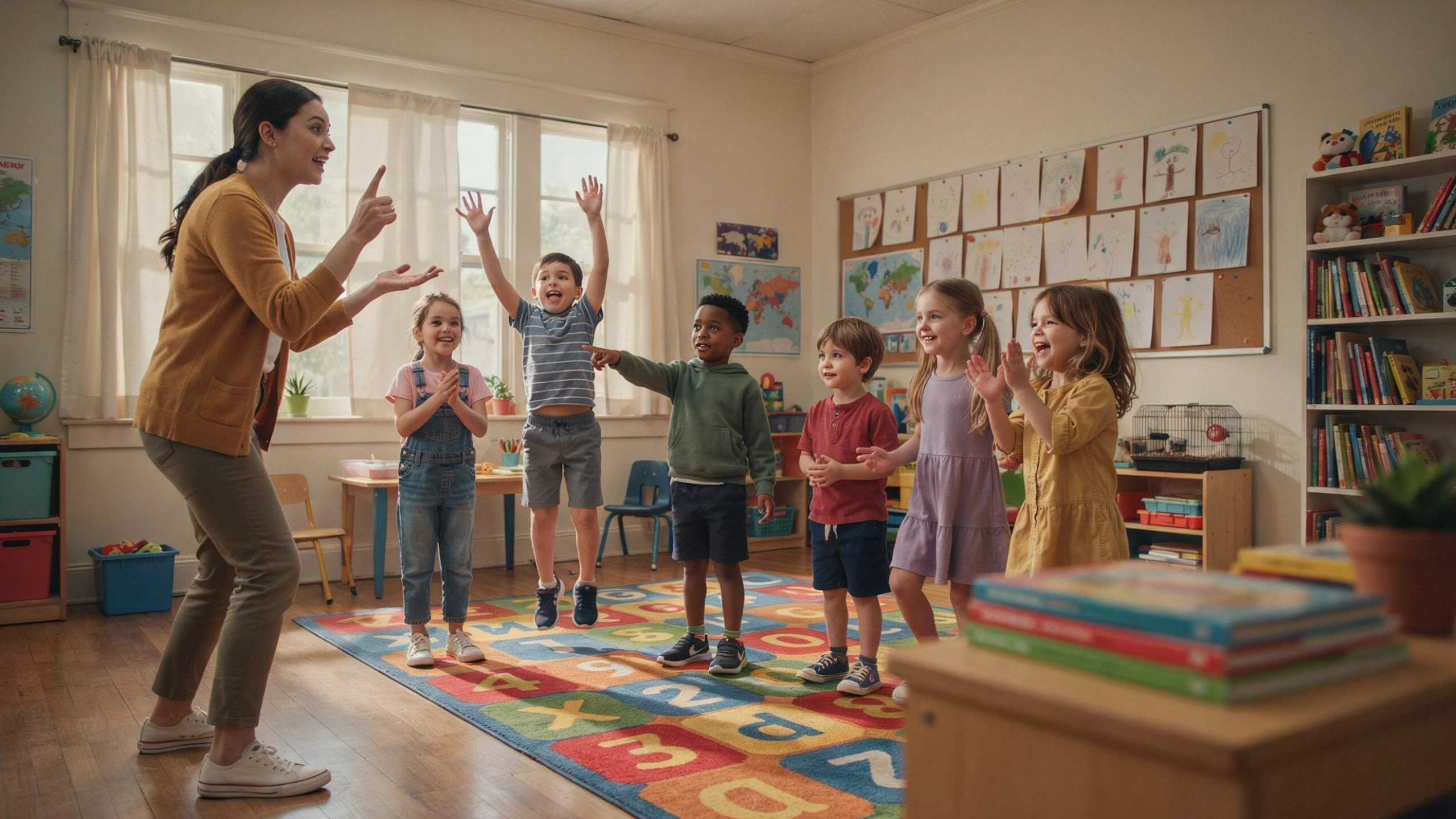
Following multi-step directions is an essential skill that children use every day. Whether they are getting ready for school, completing classroom assignments, or helping with simple household chores, children must remember and carry out a series of instructions in the correct order. This ability relies heavily on working memory, which allows the brain to temporarily store and process information while completing a task.
The good news is that working memory can be strengthened through fun, interactive games. By practicing multi-step directions during play, children learn to listen carefully, stay focused, and complete increasingly complex tasks with confidence.
In this article, you’ll discover engaging games that improve working memory while helping children develop stronger listening, concentration, and problem-solving skills.
What Is Working Memory?
Working memory is the brain’s ability to hold and use information for a short period of time. Unlike long-term memory, which stores information for months or years, working memory helps children remember information just long enough to complete a task.
Children use working memory when they:
- Follow classroom instructions
- Solve math problems
- Read and understand stories
- Remember a shopping list
- Complete daily routines
- Learn new vocabulary
- Play games with multiple rules
Strong working memory makes learning easier and helps children become more independent.
Why Multi-Step Directions Matter
Activities that involve several instructions encourage children to think, remember, and act in sequence.
These games help develop:
- Working memory
- Listening skills
- Attention span
- Sequencing
- Self-control
- Problem-solving
- Organization
- Confidence
Regular practice prepares children for more advanced learning as they grow.
1. Action Sequence Challenge
Give children a short series of movements to complete.
For example:
- Touch your nose.
- Clap three times.
- Turn around.
- Sit down.
Begin with two or three steps and gradually increase the number as children improve.
2. Classroom Command Game
Teachers can create educational instruction sequences such as:
- Pick up your pencil.
- Open your notebook.
- Write today’s date.
- Draw a star in the corner.
This activity reinforces classroom routines while strengthening working memory.
3. Kitchen Helper Game
Invite children to help prepare a snack.
For example:
- Wash the apple.
- Place it on the plate.
- Bring a spoon.
- Sit at the table.
Following real-life instructions makes learning meaningful and practical.
4. Treasure Hunt Directions
Hide a small object somewhere in the room.
Give spoken clues like:
- Walk to the chair.
- Turn left.
- Look under the table.
- Pick up the hidden toy.
Children remember each direction while searching for the treasure.
5. Simon Says Sequence
Instead of one instruction, provide several.
Example:
- Simon says clap twice.
- Touch your shoulders.
- Jump once.
- Wave goodbye.
Children complete every action in the correct order.
6. Build It Together
Provide building blocks or LEGO® bricks.
Give directions such as:
- Place a blue block on the table.
- Put a red block on top.
- Add a yellow block beside it.
- Finish with a green block.
This combines memory, spatial awareness, and creativity.
7. Obstacle Course Instructions
Create a simple indoor or outdoor obstacle course.
Children follow directions such as:
- Crawl under the chair.
- Jump over the pillow.
- Walk around the cone.
- Toss the ball into the basket.
This activity combines movement with working memory practice.
8. Art Project Directions
Guide children through a simple craft by giving one sequence of instructions at a time.
For example:
- Fold the paper.
- Draw a circle.
- Color it yellow.
- Cut it out.
Following creative instructions encourages careful listening.
9. Shopping List Memory Game
Tell children a pretend shopping list.
Example:
- Bread
- Milk
- Apples
- Cheese
Children repeat the items in order before “shopping” with toy food or picture cards.
10. Daily Routine Challenge
Ask children to remember the steps for common routines.
Examples include:
Getting Ready for Bed
- Brush your teeth.
- Put on pajamas.
- Choose a bedtime story.
- Turn off the light.
Retelling routines strengthens sequential memory and independence.
Ways to Increase the Difficulty
As children’s working memory develops, make the games more challenging by:
- Adding more instructions.
- Increasing the speed of delivery.
- Mixing movement with verbal tasks.
- Asking children to repeat the instructions before completing them.
- Including distractions that children must ignore.
- Letting children create instruction sequences for others.
These variations continue to build attention and mental flexibility.
Tips for Parents and Teachers
To make multi-step games successful:
- Speak clearly and calmly.
- Start with simple directions.
- Increase difficulty gradually.
- Give positive encouragement.
- Repeat activities regularly.
- Turn mistakes into learning opportunities.
Short, enjoyable practice sessions produce the best results.
Skills Developed Through Multi-Step Direction Games
These activities strengthen many essential skills, including:
- Working memory
- Listening comprehension
- Sequencing
- Organization
- Concentration
- Decision-making
- Self-confidence
- Independent learning
Together, these abilities support success in school and everyday life.
Everyday Opportunities to Practice
Working memory can be strengthened during ordinary daily activities.
Try asking children to:
- Help set the dinner table.
- Pack their school bag.
- Water plants in a specific order.
- Feed a pet following several steps.
- Put away toys using multiple instructions.
- Prepare simple snacks with guidance.
These real-life experiences make memory practice meaningful and enjoyable.
Final Thoughts
Following multi-step directions is an important life skill that supports learning, independence, and problem-solving. Through engaging games, obstacle courses, treasure hunts, and everyday routines, children strengthen their working memory while building confidence and concentration.
By practicing these activities regularly, parents and teachers can help children become better listeners, more organized thinkers, and more successful learners. A few minutes of fun each day can make a lasting impact on a child’s cognitive development and readiness for future challenges.